Articles
Latest reporting on European space-tech: funding, launches, ESA contracts, satellite operators and defense-space.
 media
NASA Outlines Artemis III and IV Lunar Trajectories
NASA officials have confirmed the mission architecture for the next phase of lunar exploration, maintaining a 2028 return-to-surface goal despite mounting schedule pressure and competition from China.
spacechannel.eu · 23 Oct 2026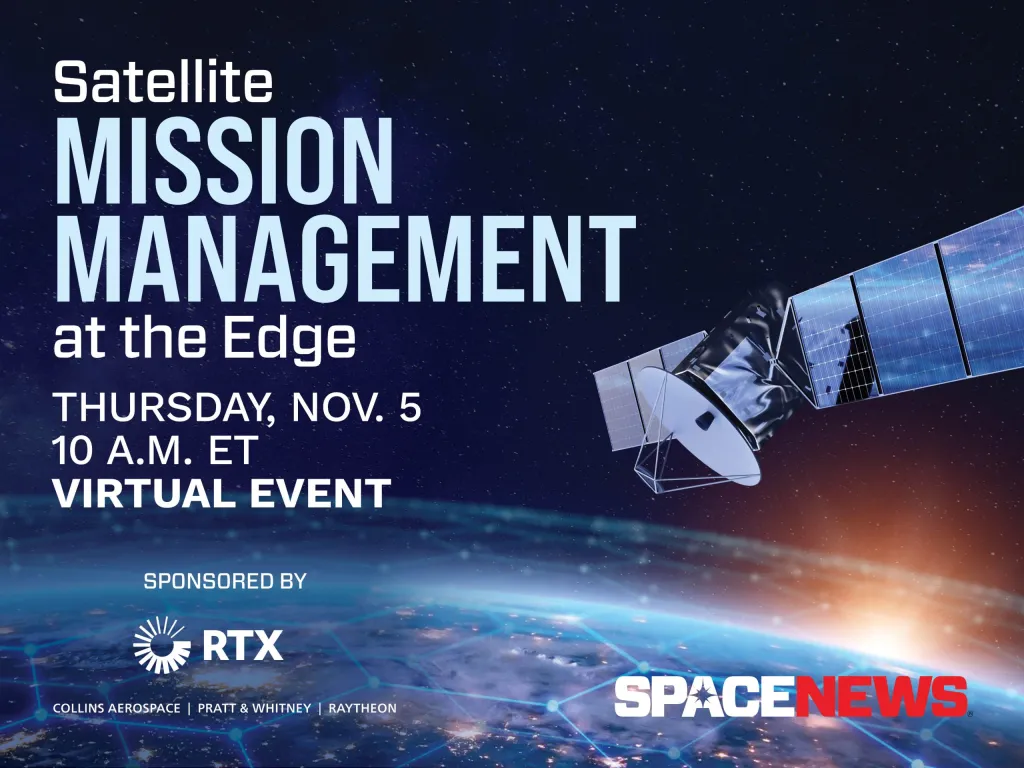 media
Protocol Update: Shift to Edge-Based Mission Management
SpaceNews and RTX to host a high-level briefing on November 5 regarding the integration of edge computing, automation, and cloud-native architectures in orbital security missions.
spacechannel.eu · 23 Oct 2026 media
Orbital Operations Secures $35M for Cryogenic On-Orbit Maneuver Demo
California startup Orbital Operations has landed a $35M DoD contract to demonstrate Astraeus, a reusable cryogenic vehicle designed to provide high-speed, dynamic tactical response in contested orbits.
spacechannel.eu · 23 Oct 2026 media
Portal Space Systems Declares Starburst-1 Success
Following a successful launch on SpaceX's Bandwagon-5, Portal Space Systems has achieved stable orbit and initial checkouts for its Starburst-1 spacecraft as the company scales operations.
spacechannel.eu · 23 Oct 2026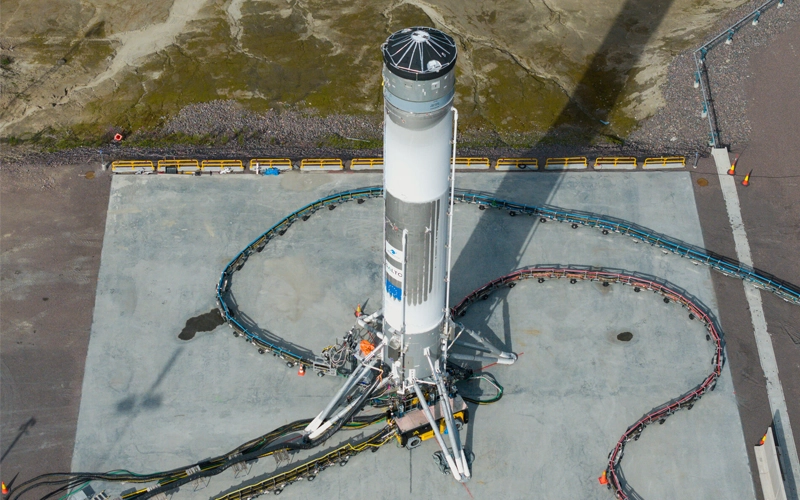 media
THEMIS FIRST FLIGHT AT RISK AS SWEDISH WINTER LOOMS
ESA Director of Space Transportation Géraldine Naja signals potential delays for the Themis reusable rocket demonstrator’s maiden hop test due to environmental constraints at Esrange.
spacechannel.eu · 23 Oct 2026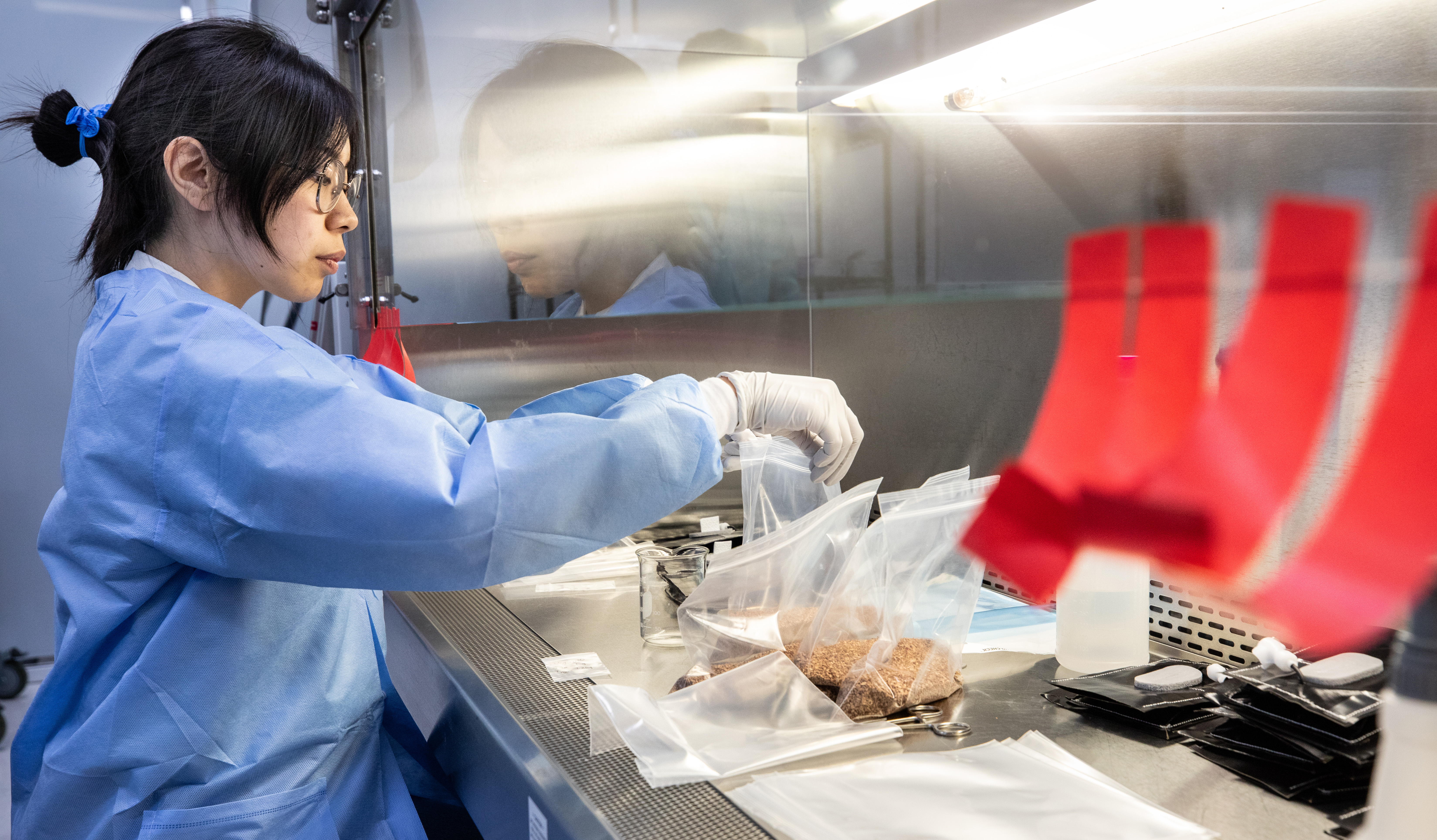 media
MNO Alliance Targets 2 GHz MSS Spectrum for European D2D Initiative
Four of Europe's largest mobile network operators—Deutsche Telekom, Telefónica, Orange, and Vodafone—have signed a letter of intent to bid for MSS spectrum to establish a regional Direct-to-Device network.
spacechannel.eu · 23 Oct 2026 media
SOFTWARE-DEFINED ORBIT: AALYRIA ARCHITECTS NEXT-GEN SPACE NETWORKS
Aalyria CEO Brian Barritt discusses the critical transition toward software interoperability and scalable networking in LEO and beyond.
spacechannel.eu · 22 Oct 2026 media
Xona Secures $250M Series D to Disrupt Global PNT Dominance
Xona Space Systems has raised $250M to scale its Pulsar constellation, a commercial high-precision GPS alternative designed to counter jamming and spoofing with 100x signal strength.
spacechannel.eu · 22 Oct 2026 media
National Academies Designate Priority Non-Polar Lunar Targets
A new report from the National Academies identifies four critical non-polar landing sites for future human exploration, balancing geological research with heritage preservation and orbital shielding.
spacechannel.eu · 22 Oct 2026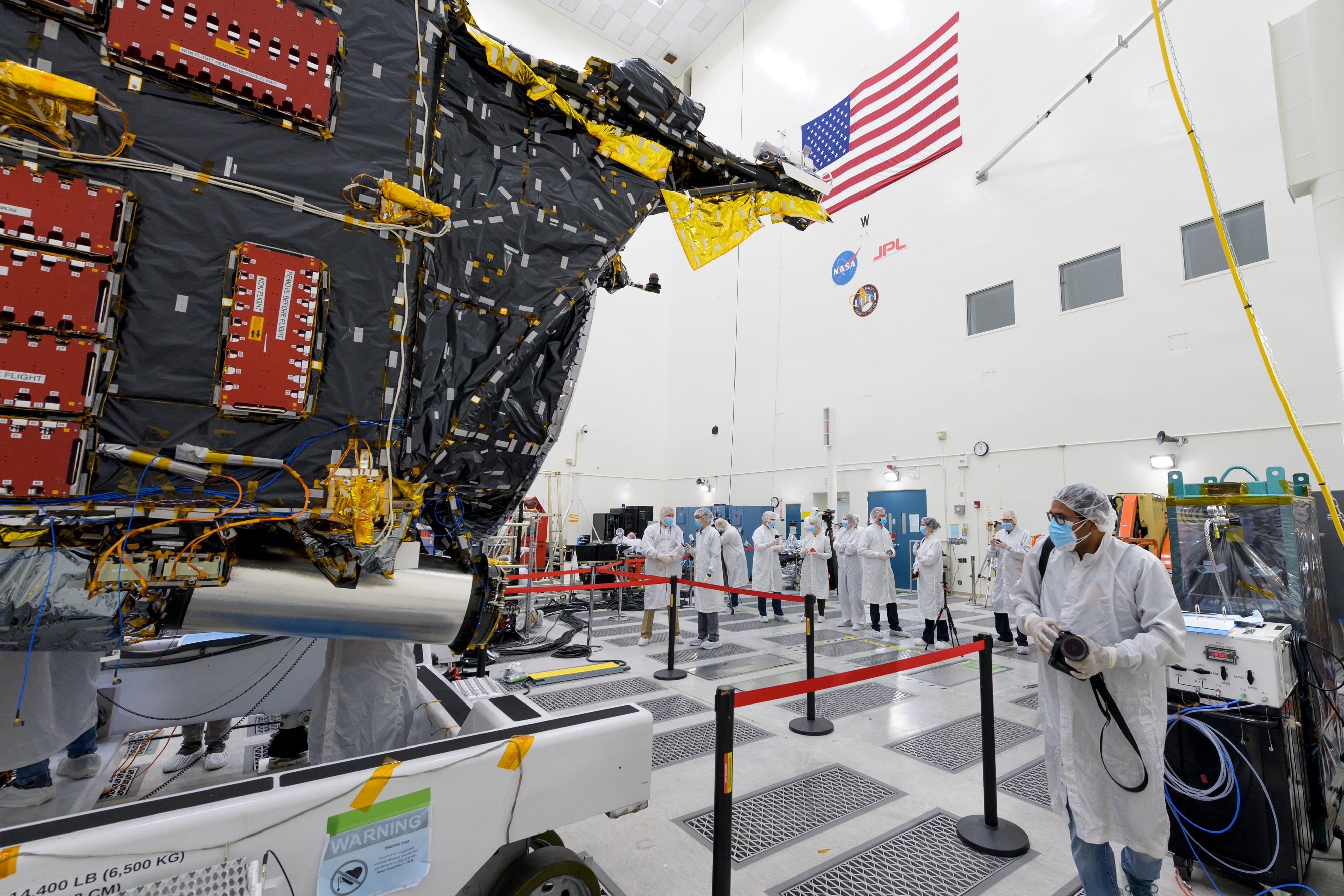 media
TechnoMile Secures 2026 Inc. Power Partner Award for Defense AI
Contract management firm TechnoMile has been named a 2026 Inc. Power Partner, recognizing its AI-driven platform for optimizing federal and defense sector workflows.
spacechannel.eu · 21 Oct 2026 media
Satcom Forecast: $145 Billion Revenue Shift by 2035
A fundamental shift in the satellite industry will see data services displace video, driving global revenues to $145 billion by 2035 as NGSO constellations and defense spending surge.
spacechannel.eu · 21 Oct 2026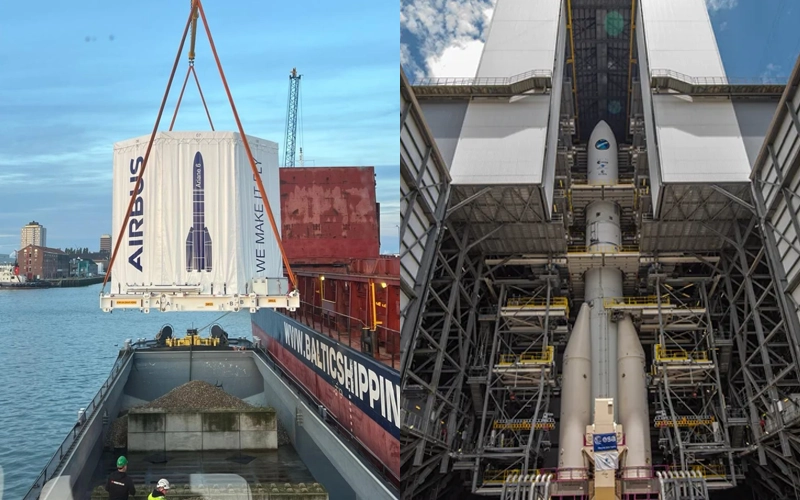 media
Airbus Delivers First Block 2 Vulcain Aft Bay for Ariane 6 Upgrades
Airbus Netherlands has shipped the first lightweight Vulcain Aft Bay for Ariane 6, a key Block 2 upgrade designed to increase launch efficiency beginning in 2027.
spacechannel.eu · 21 Oct 2026 media
DARPA Greenlights Ground Test for Autonomous Nuclear Reactor Controller
Space Nuclear Power Corporation (SpaceNukes) has secured a DARPA agreement to develop and ground-test an autonomous nuclear reactor controller, evolving the proven Kilopower architecture for dynamic national security missions.
spacechannel.eu · 21 Oct 2026 media
HPE DEPLOYS AI TO LUNAR SURFACE VIA SPACEBORNE COMPUTER-4
Hewlett Packard Enterprise is moving edge computing beyond the ISS, deploying its first vacuum-rated AI module to the Moon aboard Astrolab’s FLIP rover to process LiDAR and autonomous workloads in-situ.
spacechannel.eu · 21 Oct 2026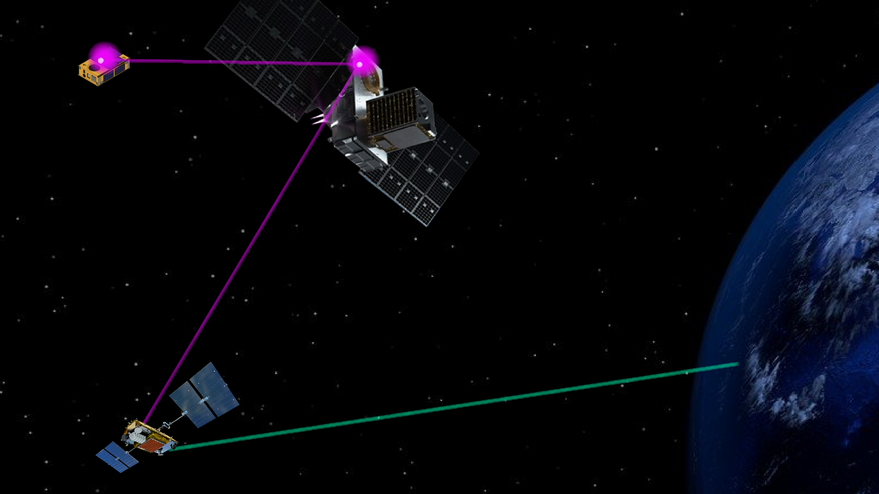 media
DATA LINK ESTABLISHED: Solstar Validates Wi-Fi for Orbital Proximity Operations
Solstar Space has successfully demonstrated its Deke Space Communicator, facilitating high-speed Wi-Fi data transfer between a NASA cubesat and Momentus’ Vigoride-7 during orbital proximity operations.
spacechannel.eu · 21 Oct 2026 media
Quantum Command: Craft Prospect Accelerates Orbital QKD Infrastructure
Scottish firm Craft Prospect reports a surge in international demand for space-based Quantum Key Distribution (QKD) as the OPS-SAT VOLT mission nears operational reality.
spacechannel.eu · 21 Oct 2026 media
SPACEX Q3: SI DIVISION OUTPACES STARLINK AS STARSHIP TURNS PROFITABLE
SpaceX reports a massive $14.6B revenue quarter, driven by the explosive growth of its rebranded SpaceXSI artificial intelligence division, which now generates more revenue than Starlink.
spacechannel.eu · 21 Oct 2026 media
Starlink Disruption: Congress Demands Accountability
U.S. lawmakers are investigating SpaceX Starlink connectivity failures in Ukraine that allegedly compromised military drone operations and the safety of American personnel.
spacechannel.eu · 20 Oct 2026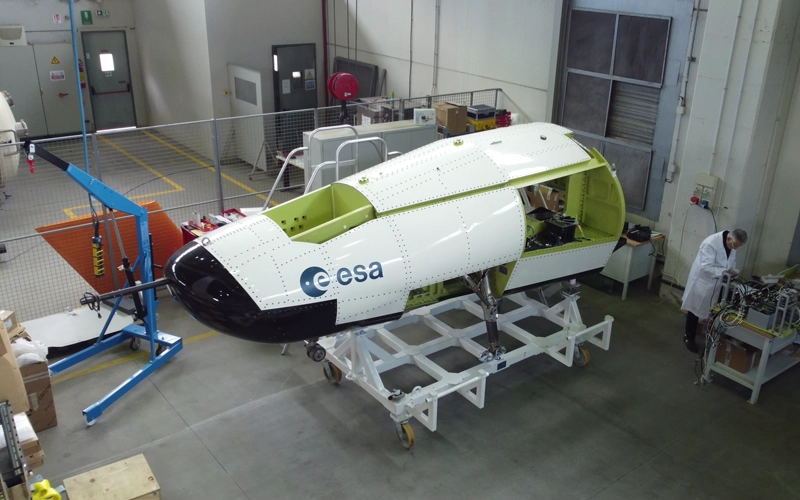 media
Space Rider Anomaly: Full-Scale Test Model Lost During Drop Test
A critical system-level drop test for the ESA Space Rider spaceplane ended in the loss of a full-scale model following a parafoil deployment failure.
spacechannel.eu · 20 Oct 2026- media
AnySignal Secures Full-Stack Comms for Reflect Orbital Missions
AnySignal will provide integrated USX hardware and AnyLink software for Reflect Orbital’s upcoming solar-reflection constellation, streamlining space-to-ground data links.
spacechannel.eu · 20 Oct 2026  media
US State Department Initiates $5M Project Constellation for Global Space Diplomacy
Washington has launched a $5 million initiative to export American space policy and commercial standards to emerging space nations through talent exchanges and diplomatic alignment.
spacechannel.eu · 20 Oct 2026 media
Reaction Dynamics Pivots to Medium-Lift with Borealis
Quebec-based Reaction Dynamics has unveiled Borealis, a medium-lift launcher targeting a 2031 debut, marking a strategic shift to liquid-propulsion to capture market share left by SpaceX.
spacechannel.eu · 20 Oct 2026 media
PROTOCOL VORTEX: FRENCH LAWMAKERS DEMAND FISCAL CLARITY VIA SYMBOLIC FUNDING
71 French MPs have introduced a symbolic €1 budget line for Dassault’s VORTEX spaceplane, aiming to force the government to disclose its long-term financial roadmap for the orbital asset.
spacechannel.eu · 20 Oct 2026