Space Rider Anomaly: Full-Scale Test Model Lost During Drop Test
A critical system-level drop test for the ESA Space Rider spaceplane ended in the loss of a full-scale model following a parafoil deployment failure.
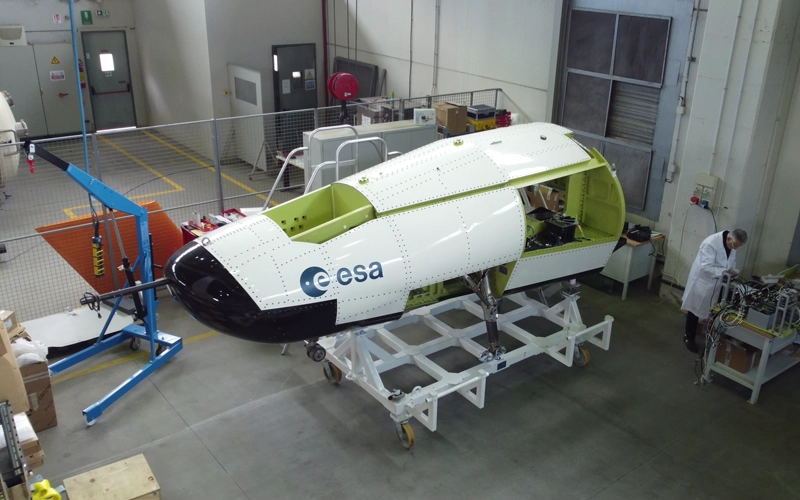
MISSION ANOMALY REPORT
STATUS: CRITICAL SETBACK
The European Space Agency (ESA) has confirmed the loss of a full-scale Space Rider test model during a high-altitude drop test conducted earlier this month. The mission, intended to validate landing sequences, terminated abruptly following a mechanical failure during the descent phase.
DATA LOG
According to European Spaceflight, the incident occurred during the project's final system-level drop-test campaign. The vehicle was scheduled to perform a controlled glide to a designated landing zone; however, an anomaly during parafoil deployment prevented the craft from achieving stable flight. Without the necessary lift from the parafoil, the test model was lost upon impact.
This failure follows a previous mission interruption in May, where a separate drop test was aborted. ESA officials have launched an independent investigation to determine the root cause of this latest deployment failure. The results of this inquiry will dictate the recovery schedule and potential design modifications for the reusable spaceplane.
SYSTEM SPECIFICATIONS
Space Rider is designed as a robotic, uncrewed laboratory intended to provide Europe with independent, reusable access to and from low Earth orbit. The vehicle is engineered to remain in orbit for up to two months before performing an automated reentry and landing.
ESA has stated that the current investigation is necessary to inform "next steps" for the program. The loss of the full-scale model represents a significant hardware deficit as the agency moves toward an operational flight window.