XONA SCALES PNT INFRASTRUCTURE FOR PULSAR CONSTELLATION
Following FCC clearance, Xona Space Systems is ramping up production for its Pulsar PNT constellation, appointing new leadership and expanding manufacturing across the US and Canada.
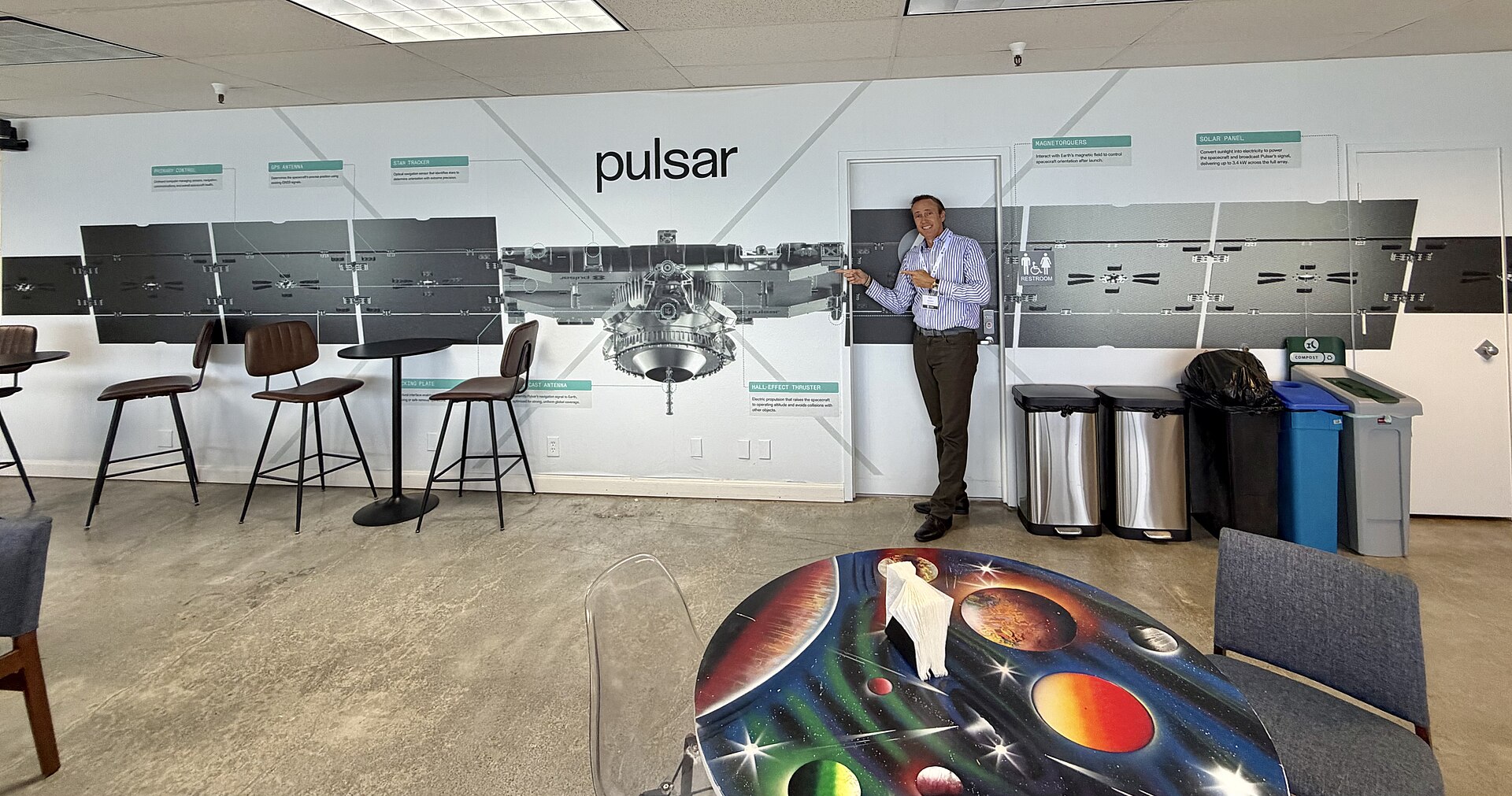
Production Surge Confirmed
With FCC regulatory hurdles cleared and six Pulsar satellites staged for launch, Xona Space Systems is shifting focus to large-scale constellation deployment. The company aims to manufacture 250 additional satellites, transitioning from initial hardware demonstration to commercial service availability. According to Payload, Xona has appointed Waymo veteran Patrick Cadariu as Chief Operating Officer to oversee this transition.
Industrial Expansion: California and Montreal
Production has commenced on four new flight articles at Xona’s Burlingame facility. These units are approximately 10% lighter than previous iterations, reflecting a refinement in internal design. The manufacturer targets a production cadence of multiple satellites per week by the end of 2027.
Strategic expansion is also underway in Montreal. The company is adding 35,000 square feet of capacity at a site historically significant to Canadian aerospace. This facility will manage:
Vertical integration of bus and payload components.
Redundant mission operations and user support.
* Access to the region's specialized aerospace talent pool.
Operational Roadmap
Six Pulsar satellites are scheduled for orbital insertion via SpaceX’s Bandwagon-5 mission this month. Initial PNT (Positioning, Navigation, and Timing) services are projected to begin in early 2027. Cadariu’s leadership emphasizes "the machine that builds the machine," focusing on in-house design to control costs and ensure operational resilience. For a navigation service, Xona maintains that reliability cannot be sacrificed for speed, even as they attempt to drastically shrink cycle times. By bringing satellite design and component integration in-house, the company aims to establish a more compelling cost basis for the full 250-satellite fleet.