Voyager 1: Crossing the One-Light-Day Threshold
NASA marks a historic milestone as Voyager 1 reaches one light-day of distance from Earth, inviting the public to engage with the interstellar probe's record-breaking trajectory.
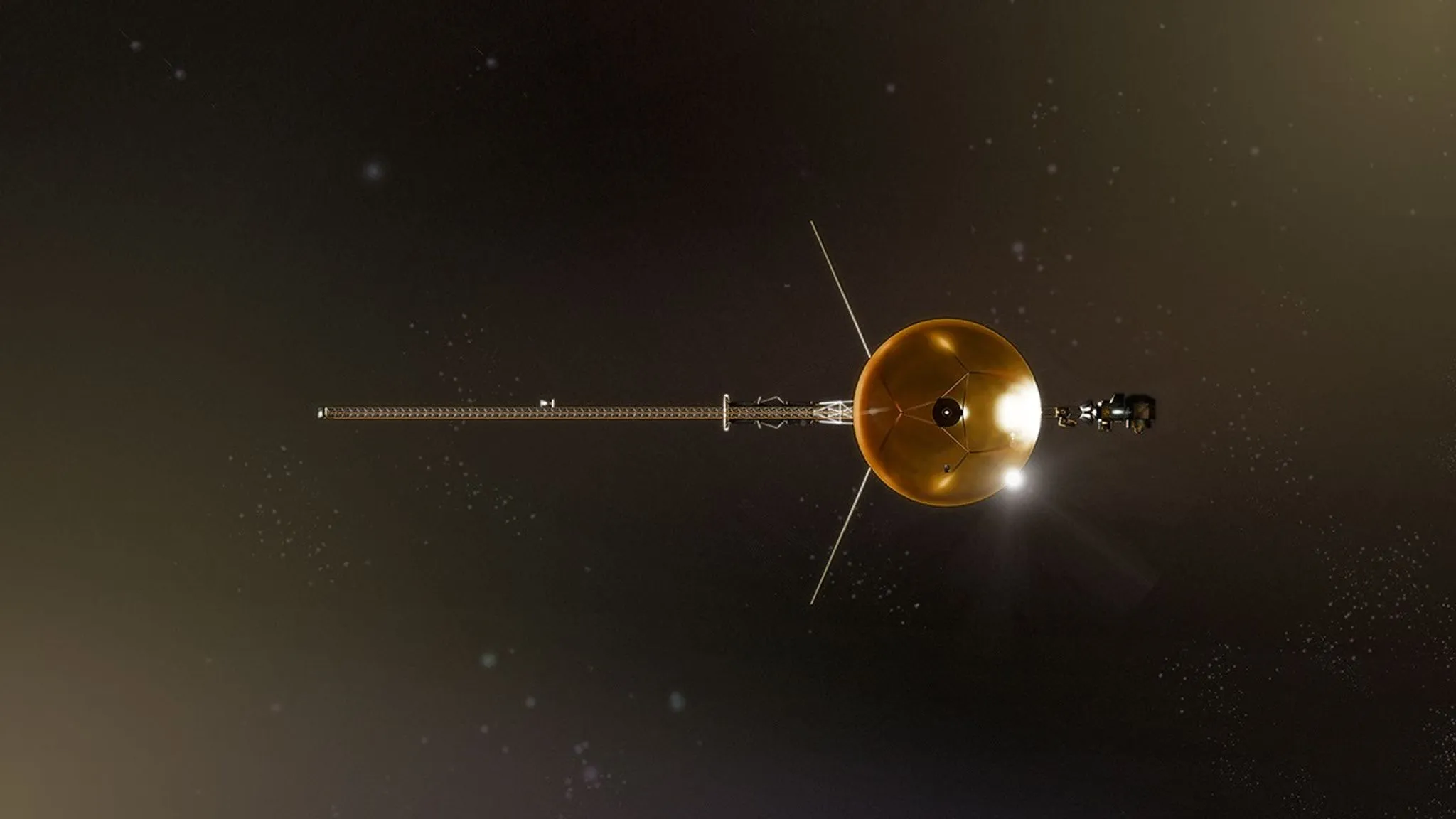
Signal Delay: 24 Hours
NASA has confirmed a significant telemetry milestone for the Voyager 1 mission. The spacecraft, currently navigating interstellar space, has reached a distance from Earth equivalent to one light-day. This means a command transmitted from mission control now requires a full 24-hour journey at the speed of light to reach the probe, with an equal duration required for a response to be received. According to NASA Breaking News, the agency is hosting a series of activities to commemorate this unprecedented distance.
Deep Space Engagement
Launched in 1977, Voyager 1 remains the most distant man-made object in existence. To mark the transition into the one-light-day era, NASA is inviting media representatives and the global public to participate in dedicated events. These initiatives aim to highlight the technical challenges of maintaining contact with a legacy system operating far beyond the heliopause. Despite its age and the extreme environment of deep space, the probe continues to transmit data regarding the cosmic ray environment and magnetic fields outside our solar system.
Operational Status
Maintaining the downlink at this range requires the maximum sensitivity of the Deep Space Network (DSN). The one-light-day milestone is not merely symbolic; it represents a new operational reality where troubleshooting and data retrieval cycles now span 48 hours. NASA’s invitation serves to underscore the resilience of the Voyager program as it pushes further into the local interstellar medium, setting the stage for future deep-space communications protocols.