VOYAGER 1 CROSSES ONE LIGHT-DAY THRESHOLD AS NEPTUNE INSIGHTS DEEPEN
NASA's Voyager 1 has reached a historic distance of one light-day from Earth, while researchers uncover new clues regarding ancient ice formations in the trans-Neptunian region.
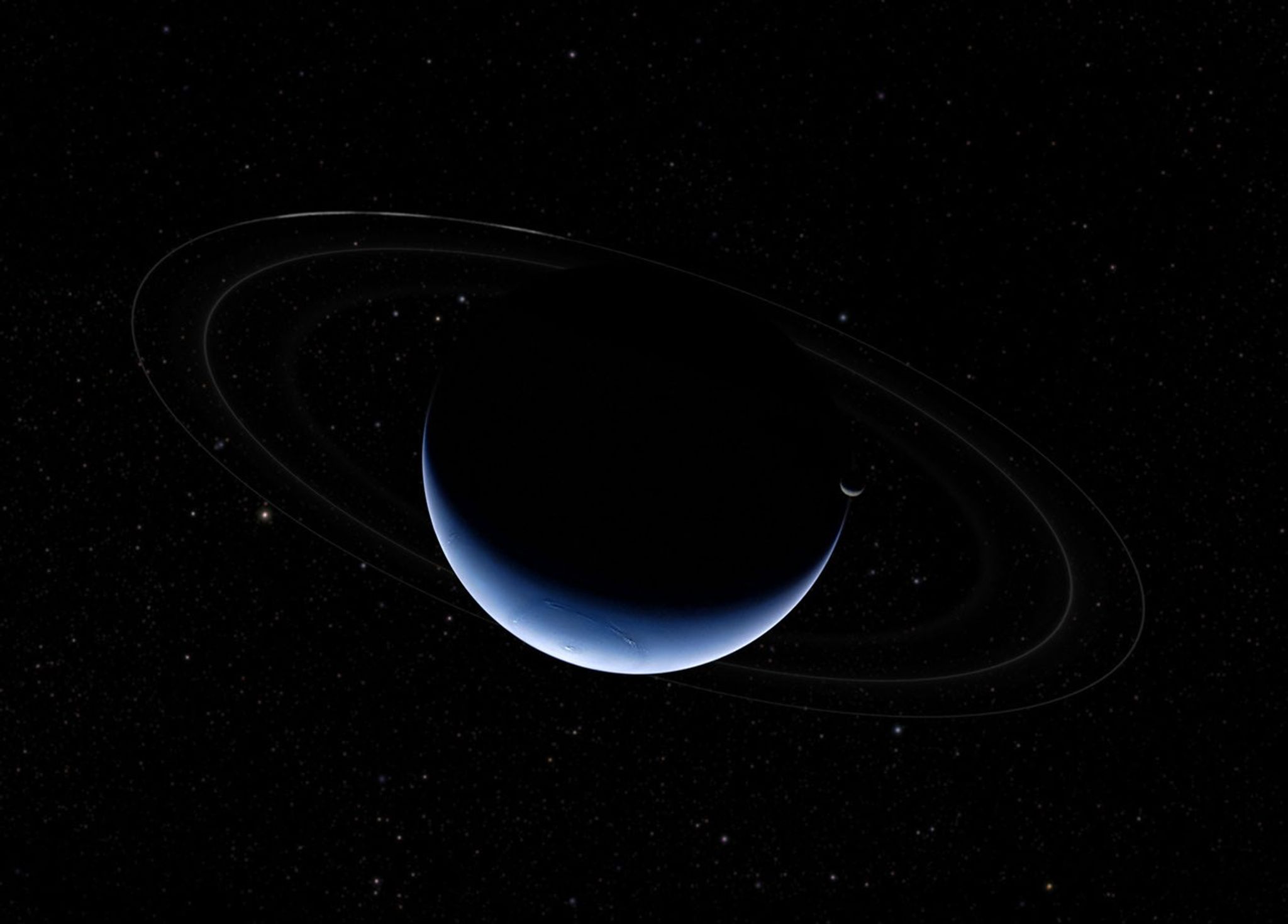
DEEP SPACE TELEMETRY UPDATE
Data received from NASA’s longest-running interstellar asset confirms a major navigational milestone. According to NASA Breaking News, Voyager 1 has officially reached a distance of one light-day from Earth. This metric represents a psychological and physical boundary in deep-space operations, marking the distance where light-speed signals now require a full 24-hour cycle for a one-way transit.
NEPTUNIAN PERIPHERY OBSERVATIONS
Simultaneous to the Voyager milestone, planetary scientists have reported significant findings regarding the chemical composition of the outer solar system. Analysis of objects residing beyond the orbit of Neptune has yielded new evidence of ancient ice reservoirs. These findings suggest that the volatile materials preserved in the Kuiper Belt may provide a more direct link to the early solar nebula than previously hypothesized.
MISSION CONTEXT
While Voyager 1 continues its trajectory into the interstellar medium, the focus on Neptune remains critical for upcoming mission profiles. The recent NASA datasets highlight a renewed interest in trans-Neptunian Objects (TNOs), which are increasingly viewed as the "archaeological ruins" of our planetary system’s formation.
NAVIGATION SUMMARY
- Asset: Voyager 1
- Distance: >1 Light-Day
- Target Sector: Interstellar Space
- Recent Science: Ancient Ice Characterization (Post-Neptune)