Virgin Galactic Unveils Apeiron Amidst Q2 2027 Schedule Slip
Virgin Galactic has debuted its first Delta-class ship, Apeiron, while simultaneously pushing its return to commercial operations to mid-2027 due to avionics testing requirements.
Terminal Feed: Status Update
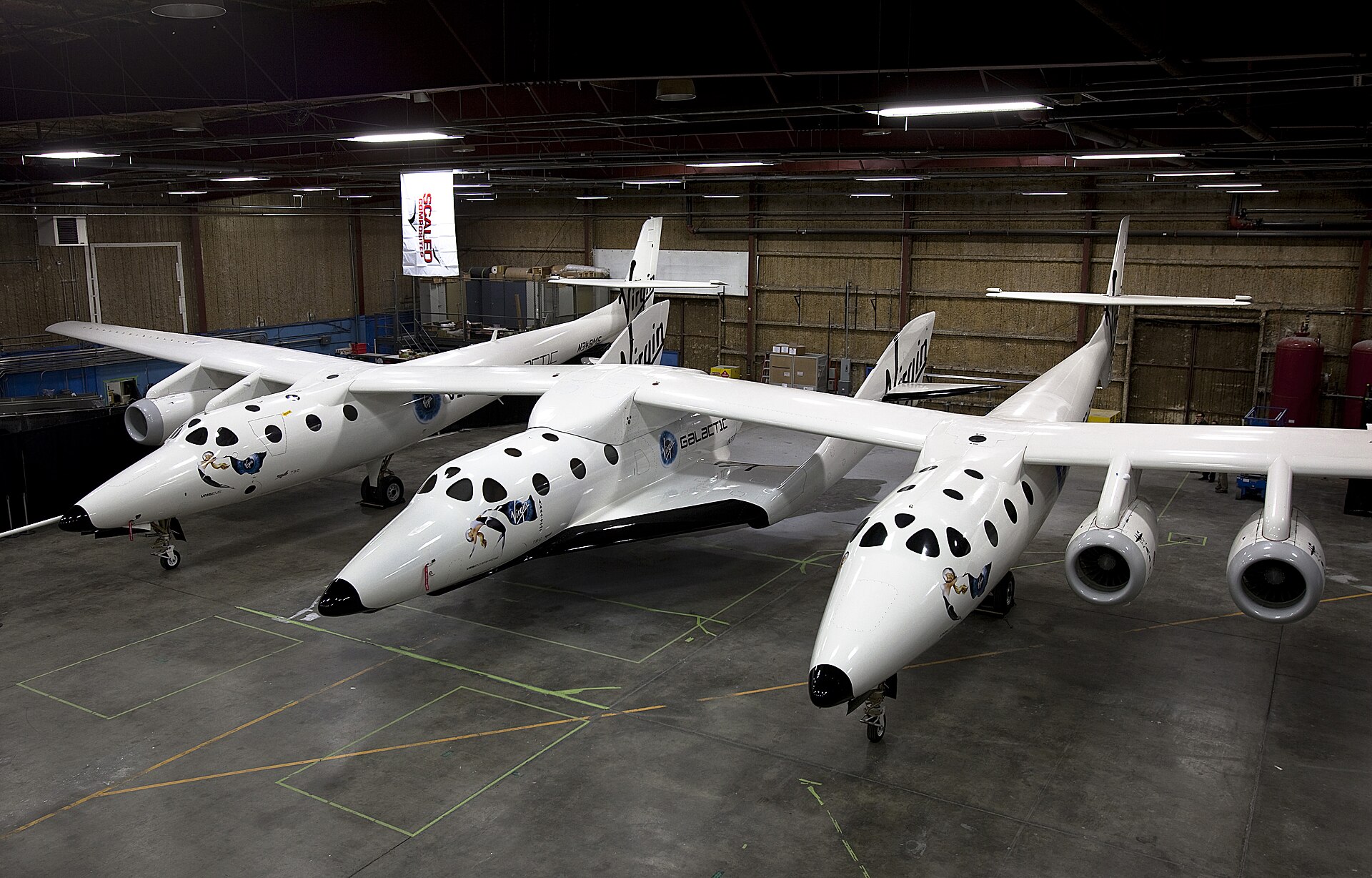
Virgin Galactic has officially unveiled Apeiron, the lead vessel of its next-generation Delta-class fleet. The spacecraft was transported from Mesa, Arizona, to Spaceport America in New Mexico via the mothership Eve. According to Payload, this transition marks a pivotal shift for the company, though the hardware arrival is tempered by significant schedule adjustments.
Commercial flight operations have been deferred to early Q2 2027. This marks the second major delay this year; the firm previously targeted late 2026, then February 2027. Management cites the need for exhaustive validation and testing of integrated avionics software as the primary driver for the extension. A second Delta-class ship is currently projected for completion in late Q2 or Q3 2027.
Fiscal and Operational Constraints
The company has lacked orbital presence since the VSS Unity retired in June 2024. While Unity conducted glide tests in May, these remained sub-orbital training maneuvers capped at nine miles. Financially, the outlook remains high-pressure. With Q3 cash burn estimated at nearly $100 million against a $286 million reserve, Virgin Galactic is operating on a thinning cushion while generating negligible revenue.
Strategic Position
Despite the delay, Virgin occupies a unique market vacuum. With Blue Origin’s New Shepard fleet grounded for lunar development, Virgin remains the primary crewed suborbital research option. This is evidenced by a recent two-year contract with the AFRL to test space-weather sensors. For now, 100+ ticket holders—paying up to $850,000 per seat—remain in a holding pattern as the Delta-class development continues.