VIRGIN GALACTIC PUSHES NEXT-GEN FLIGHTS TO 2027
Virgin Galactic delays commercial service for its new suborbital spaceplane to early 2027, citing assembly challenges across hundreds of installation tasks.
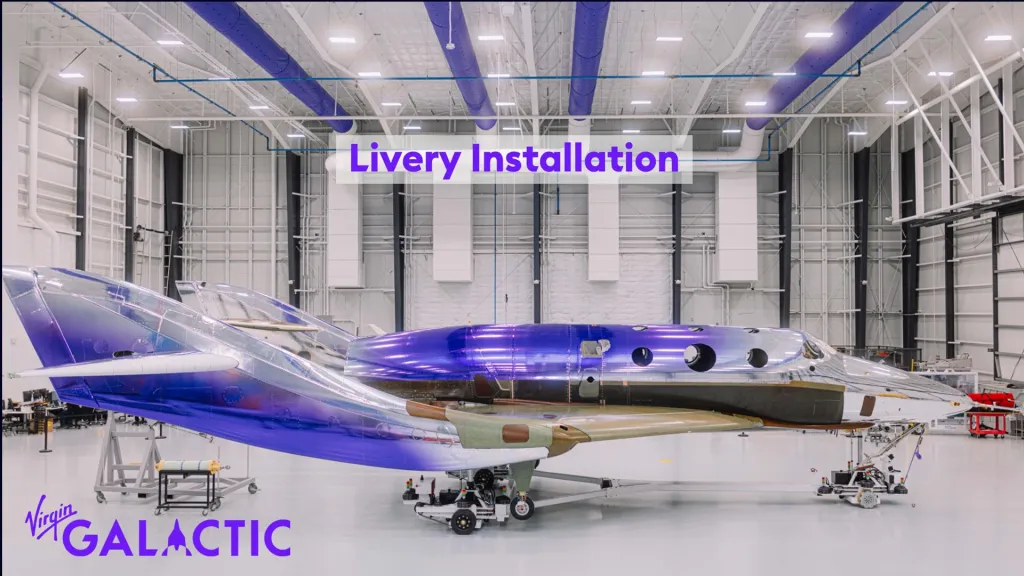
MISSION UPDATE: REVISED TIMELINE
Virgin Galactic has officially adjusted the deployment schedule for its first next-generation suborbital spaceplane. According to SpaceNews, the company confirmed during an August 12 earnings call that commercial operations are now slated for February 2027, shifting from the previously targeted fourth quarter of 2026.
ASSEMBLY TOLERANCES AND LOGISTICS
CEO Michael Colglazier characterized the delay as the cumulative result of numerous minor technical hurdles rather than a singular catastrophic failure. The assembly process for the new vehicle has encountered hundreds of small-scale installation challenges. Engineers reported discrepancies in component fitment—sometimes by mere thousandths of an inch—requiring extensive reviews to determine if parts meet design tolerances or necessitate recalibration.
To mitigate further slippage, the company has transitioned to a 24/7 labor schedule, utilizing two shifts daily. Integrated ground testing is scheduled to commence later this month, with the hardware expected to arrive at Spaceport America in New Mexico by October for flight trials.
FINANCIAL OUTLOOK AND MARKET DEMAND
Despite the schedule shift, Virgin Galactic maintains it has sufficient liquidity, ending the second quarter with $286 million in cash. CFO Doug Ahrens noted that positive quarterly cash flow remains projected for 2027, driven by an anticipated flight cadence of ten missions per month once a second vessel enters service.
Consumer demand remains robust. The firm recently closed a ticket tranche priced at $750,000 per seat, which was oversubscribed and generated more than $50 million in bookings. Future ticket releases are expected to feature higher price points as the company positions itself against competitors like Blue Origin in the high-altitude tourism sector.