Vikram-1: India’s First Private Orbital Success
Skyroot Aerospace has achieved a historic milestone with the successful maiden orbital flight of Vikram-1, signaling a new era for commercial launch operations in the region.
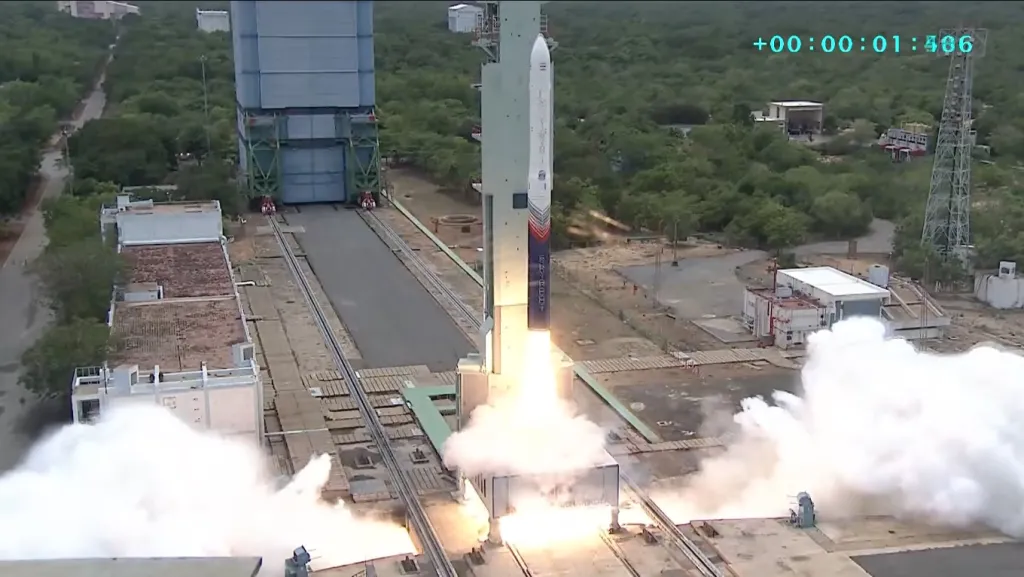
Mission Parameters: Successful Insertion
Skyroot Aerospace has made history as the first private Indian entity to reach orbit. The maiden flight of the Vikram-1 rocket, designated Mission Aagaman, successfully executed its flight profile on July 18. According to SpaceNews, the vehicle lifted off from the Satish Dhawan Space Centre at 02:35 Eastern after a brief 35-minute technical delay at the T-5 minute mark.
Technical Breakdown
The three-stage solid-fuel launcher performed according to telemetry specifications. Following the burnout of the primary stages, a liquid-propellant orbit adjustment module (OAM) fired for approximately six minutes to achieve the target 450-kilometer low Earth orbit (LEO). This successful deployment occurred 15 minutes post-liftoff.
Payload Configuration
Vikram-1 served as a multi-client dispenser on this inaugural run. Payloads included:
Two cubesats developed by Skyroot and Grahaa Space.
Hosted hardware from Dcubed and Cosmoserve Space.
* Symbolic cargo, including postcards endorsed by Indian Prime Minister Narendra Modi.
Strategic Trajectory
Skyroot CEO Pawan Kumar Chandana described the event as a "historic moment" for the global space sector, noting the rarity of achieving orbit on an initial attempt. The Vikram-1 architecture is designed to loft 350 kilograms to LEO, with a planned Vikram-1U variant utilizing strap-on boosters to increase capacity to 550 kilograms. Supported by $60 million in recent funding and structural reforms from Indian agencies ISRO and IN-SPACe, Skyroot intends to conduct further test flights this year before transitioning to full commercial operations.