USSPACECOM Targets Offensive Capabilities and pLEO Disruption
General Stephen Whiting has unveiled a strategic priority list for 2029-2033, signaling a shift toward acknowledged offensive 'integrated fires' and the ability to disable large satellite constellations.
Strategic Pivot to Offensive Posture
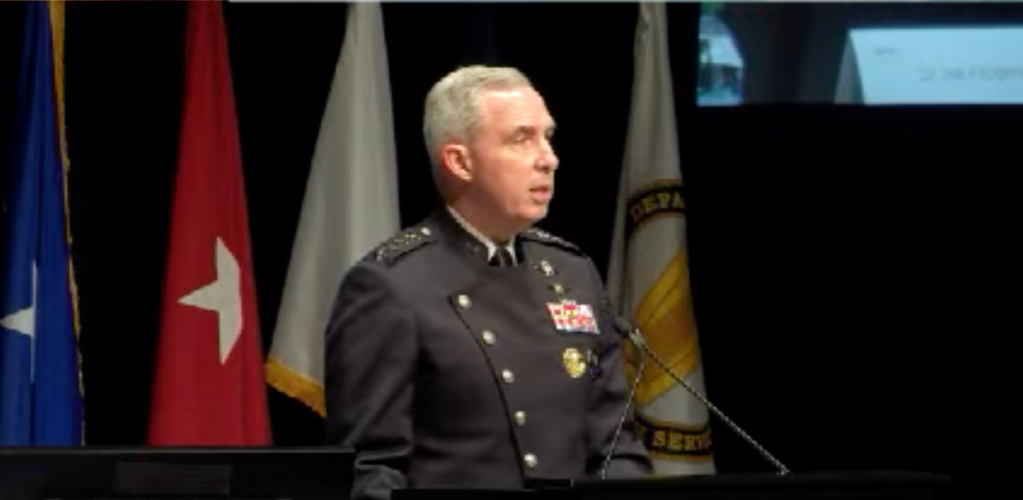
U.S. Space Command (USSPACECOM) has formalized its requirements for the next decade of orbital conflict. According to SpaceNews, General Stephen Whiting, head of USSPACECOM, recently unveiled the Integrated Priorities List for fiscal years 2029 through 2033. The document serves as a direct demand signal to industry and government laboratories to fill critical gaps in American orbital dominance.
Targeting the Proliferated LEO Threat
The command’s top two priorities are "integrated space fires"—both kinetic and non-kinetic offensive capabilities—and "counter-pLEO" systems. As adversaries deploy massive constellations of small satellites in Low Earth Orbit (LEO), traditional single-target engagement strategies become obsolete. Whiting emphasized the need to target "critical nodes" of these networks to prevent them from fixing and tracking ground forces.
Maneuver and Awareness
Beyond offensive fires, the list highlights three additional pillars:
Joint Integrated C2: Machine-to-machine connectivity for high-speed battle management.
Target-Quality SDA: Shifting space domain awareness from cataloging objects to precise, fire-control tracking.
* Sustained Maneuver: Moving away from the "psychology of scarcity" regarding onboard propellant. The command is seeking in-space refueling and logistics to allow assets to "shoot, move, and communicate" without shortening their operational lifespan.
Whiting stressed that deterrence requires "acknowledged capabilities." By publicly identifying these needs, USSPACECOM intends to signal resolve and deny adversaries the benefit of surprise. While the command defines the requirements, the actual procurement will fall to the U.S. Space Force and other military branches.