USSF Expands Launch Roster: Relativity and Impulse Space Join Lane 1
The U.S. Space Force has added Relativity Space and Impulse Space to its National Security Space Launch Phase 3 Lane 1 program, shifting toward diverse orbital delivery models.
Orbital Logistics Expansion
The U.S. Space Force (USSF) has widened the aperture for its national security architecture. According to SpaceNews, the service has officially integrated Relativity Space and Impulse Space into the National Security Space Launch (NSSL) Phase 3 Lane 1 program. The July 7 announcement confirms these firms are now eligible to compete for mission task orders within a pool already containing SpaceX, Rocket Lab, ULA, Blue Origin, and Stoke Space.
Diversified Delivery Vectors
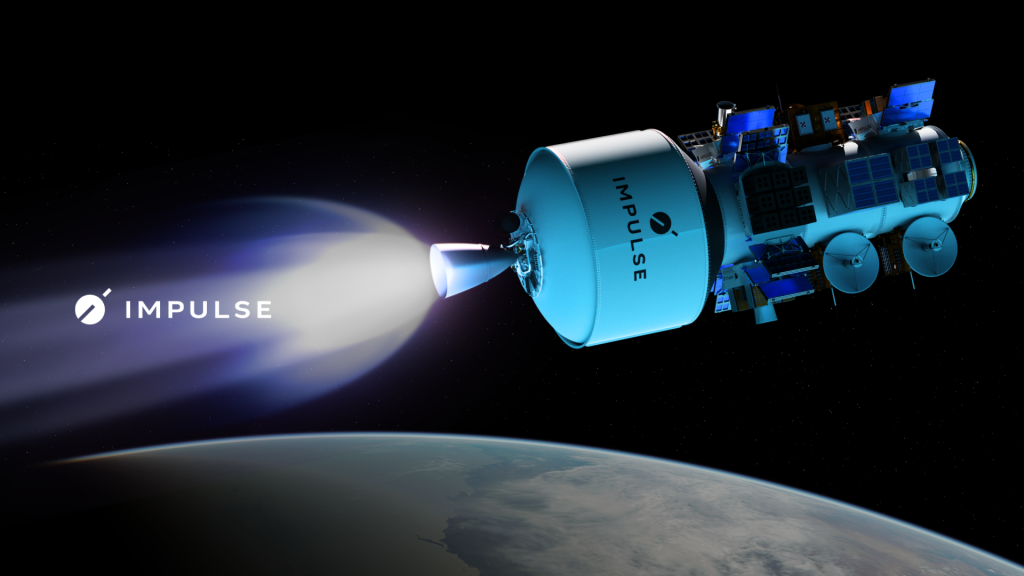
This selection signals a departure from traditional rocket-only procurement. While Relativity Space offers the medium-lift Terran R—a vehicle yet to debut but designed for high-frequency government utility—Impulse Space represents a shift toward specialized logistics. Impulse does not manufacture launch vehicles; instead, it develops orbital transfer vehicles (OTVs) like the Helios high-energy kick stage.
Under the NSSL Lane 1 framework, the USSF is exploring integrated transportation. This model allows for "tugs" like those from Impulse to be paired with rockets from other providers to deliver payloads to precise coordinates, including geostationary orbit (GEO) and beyond.
Low-Risk, High-Competition
Lane 1 is designed as an Indefinite Delivery, Indefinite Quantity (IDIQ) contract vehicle. It focuses on lower-risk missions, providing a pathway for commercial entrants to prove flight reliability without the stringent assurance standards required for Lane 2. Admission to the pool does not guarantee a contract; it merely grants the right to bid as the military seeks to exploit commercial-sector agility for its orbital manifest.