US Space Force Strategy: Capability over Widgets
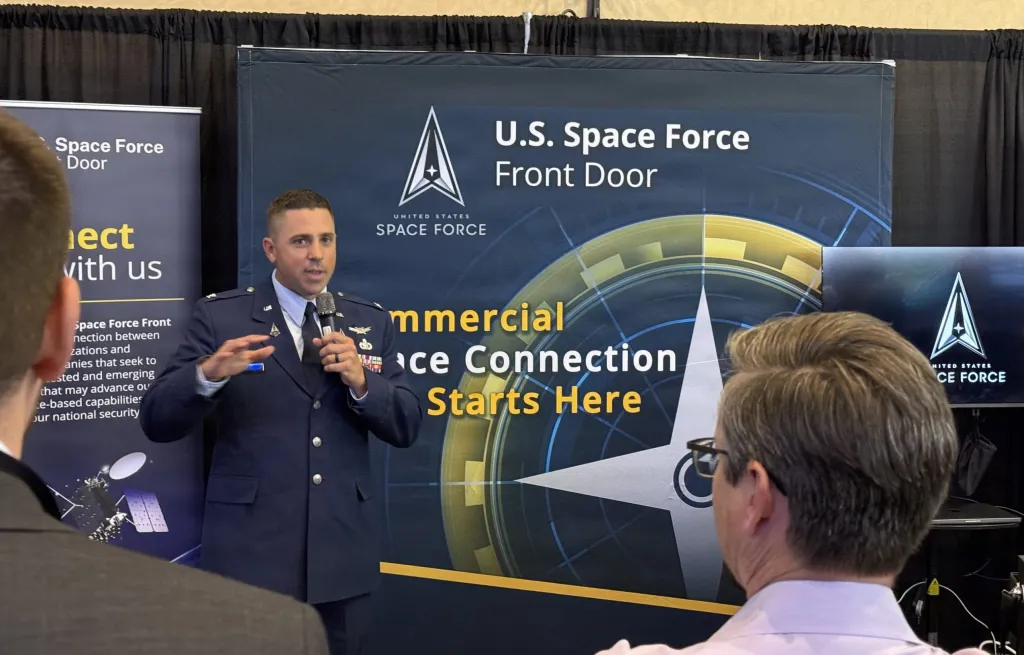
Col. Tim Trimailo of the Space Systems Command outlines a survival manual for space startups, emphasizing strategic utility, transparency, and the dangers of government dependency.
DATA OVERVIEW
As private capital floods the orbital sector, the United States Space Force is sharpening its vetting process for commercial partners. According to SpaceNews, Col. Tim Trimailo, director of the Space Systems Command Commercial Space Office (COMSO), has issued a pragmatic directive for startups attempting to penetrate the national security market.
OPERATIONAL NECESSITY OVER TECHNICAL NOVELTY
Trimailo’s assessment is clinical: the military buys capabilities, not sub-components. Many founders possess deep technical expertise but fail to articulate the "warfighter story." To secure contracts, companies must move beyond presenting high-spec "widgets" and instead demonstrate how their hardware resolves specific operational gaps.
RADICAL TRANSPARENCY
In a restricted ecosystem where technical anomalies are rarely secret for long, Trimailo advocates for total candor. Hiding mission failures or underperforming payloads is a strategic error. The Space Force values the corrective plan over the failure itself. Furthermore, while proprietary "secret sauce" remains protected, firms must grant evaluators enough technical visibility to validate performance claims.
REVENUE DYNAMICS
A core misconception among new entrants involves the existence of "secret funding pools." Trimailo clarifies there are no hidden reserves; startups must navigate established budgetary cycles and maintain "persistent engagement."
Crucially, Trimailo warned against "government-only" pivots. Tailoring a commercial product too closely to 100% of a military requirement can destroy its commercial viability. The Space Force prefers dual-use platforms where private R&D subsidies reduce government costs. Startups are encouraged to treat government and venture capital as a feedback loop—each validating the other to ensure long-term solvency.