US OFFICE OF SPACE COMMERCE PROPOSES MISSION AUTHORIZATION HUB
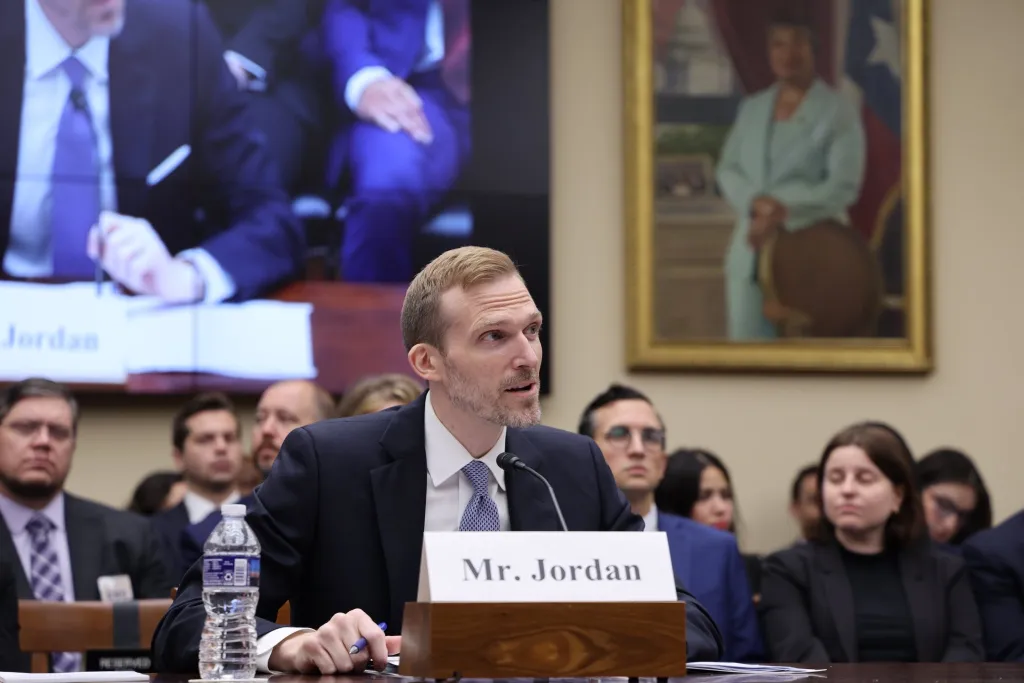
Director Taylor Jordan proposes a 'Space Commerce Certification' to streamline regulation for novel commercial activities, aiming to provide a clear path for in-orbit servicing and private stations.
Terminal Access: Regulatory Update
The US Office of Space Commerce (OSC) is pushing for a centralized mission authorization framework to manage "novel" orbit activities—including satellite servicing and commercial stations—currently caught in a regulatory void. According to SpaceNews, OSC Director Taylor Jordan testified before the House Science Committee on July 15, arguing that the existing system lacks a "path to yes" for non-traditional operations.
//The Certification Strategy
In March, the OSC introduced a proposed "Space Commerce Certification." This voluntary mechanism is designed as a single-entry portal for commercial entities. By securing this certification, operators could potentially satisfy requirements for other agencies, such as FAA launch licenses or FCC debris mitigation plans. Jordan noted the goal is to prevent companies from becoming trapped in an "endless maze" of overlapping bureaucratic obligations.
//Congressional Consensus and Deadlocks
While lawmakers from both sides of the aisle expressed support for regulatory certainty, legislative progress remains slow. Committee members noted that similar mission authorization bills have failed to pass for nearly a decade. Despite the legislative lag, Jordan confirmed the proposal is currently awaiting White House approval. If cleared, the OSC intends to launch a pilot program focusing on mature, near-operational technologies.
//Fiscal Uncertainty: TraCSS
The hearing also addressed the Traffic Coordination System for Space (TraCSS), intended to transition collision-warning duties from the military to civil authorities. Despite the White House’s fiscal 2027 budget offering virtually no funding for the project, Jordan maintained that the government would find alternative paths, including potential user fees, to ensure the continuity of space situational awareness data.