US Bureau Evaluates Offshore Platforms for Space Traffic
The Bureau of Ocean Energy Management is investigating the feasibility of repurposing offshore infrastructure, such as oil rigs, to alleviate land-based launch congestion and improve strategic flexibility.
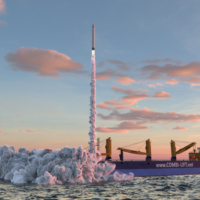
Strategic Expansion into the Outer Continental Shelf
The US government has officially initiated a study into the feasibility of shifting launch and recovery operations to the sea. On Wednesday, the Bureau of Ocean Energy Management (BOEM) issued a Request for Information (RFI) regarding the utilization of the Outer Continental Shelf for space-bound activities.
According to Payload, this initiative stems from a December 2025 executive order prioritizing the support of the domestic commercial space sector. As traditional land-based launch pads face critical congestion due to high-frequency flight cadences, federal agencies are being forced to identify unconventional solutions to expand capacity.
Repurposing Energy Infrastructure
A primary focus of the RFI is the potential repurposing of existing offshore oil and gas drilling structures. Transforming these assets into mobile or fixed space-operations platforms could alleviate geographic bottlenecks while strengthening national security capabilities. Matt Giacona, acting director of BOEM, noted that offshore infrastructure would provide the “operational flexibility” required to meet surging launch demand.
Regulatory and Technical Hurdles
The BOEM acknowledges significant knowledge gaps regarding the transition. Key areas of investigation include:
- Technical and environmental impact assessments.
- Compliance with international maritime and space guidelines.
- Inter-agency jurisdictional overlaps.
Industry stakeholders, academia, and the public have until August 7 to submit data. The outcome will likely determine the legal and logistical framework for the next generation of sea-based spaceports.