Urban Horizon: The Galactic Core Over Manhattan
A new NASA Astronomy Picture of the Day features a composite visualization of the Milky Way galaxy superimposed over the New York City skyline, illustrating the impact of light pollution on urban visibility.
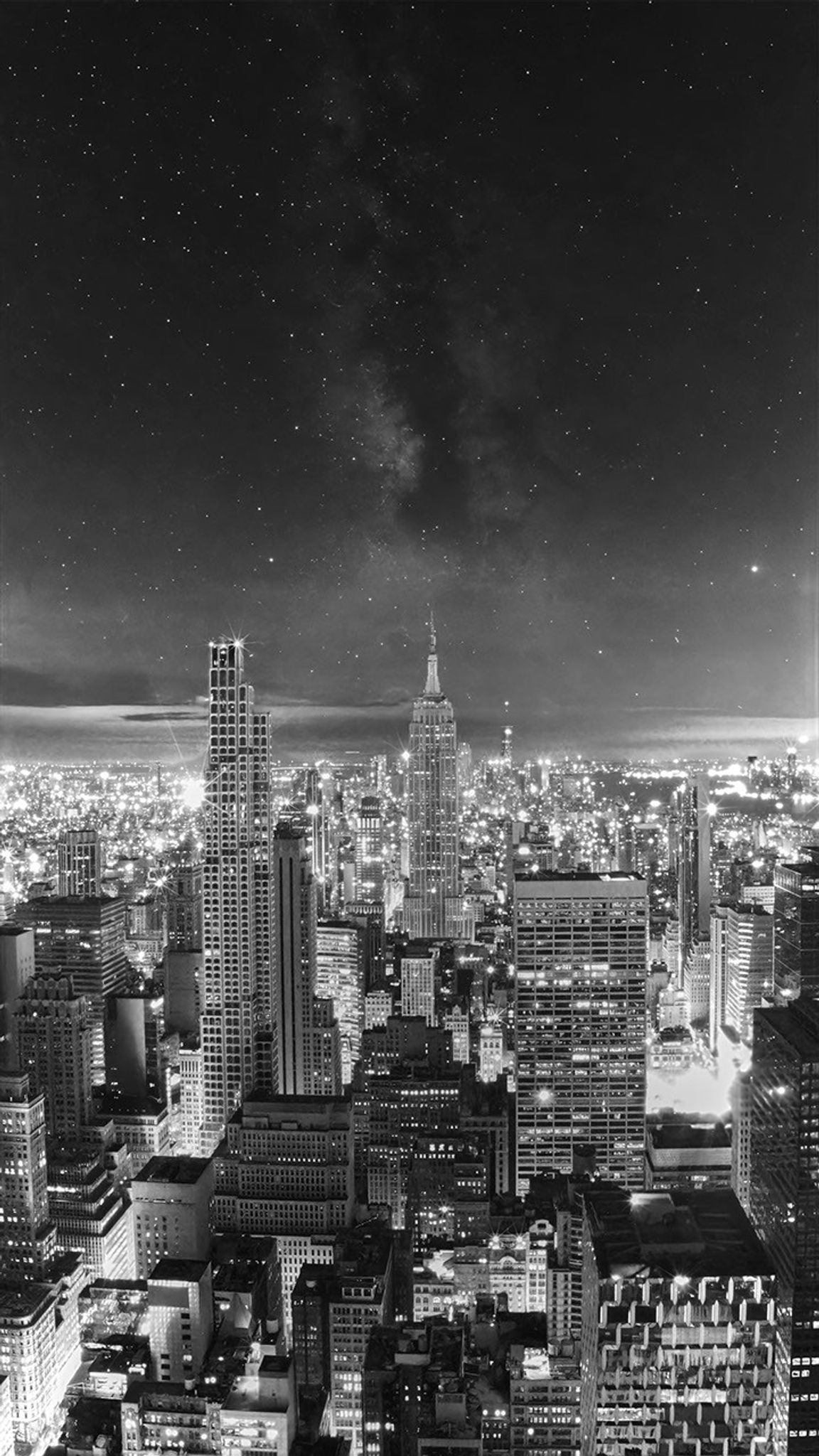
Visual Interface: Galactic Overlay
The juxtaposition of Terran infrastructure and galactic architecture has reached a new resolution. According to NASA Breaking News, the October 15, 2026, Astronomy Picture of the Day (APOD) features a striking composite image titled "The Milky Way over Manhattan." The visual data integrates the high-density urban light of the New York City skyline with the star-rich band of our home galaxy, creating a contrast between human activity and deep-space structures.
Technical Analysis
While light pollution typically obscures the celestial disk from major metropolitan hubs, this composite serves as a diagnostic of what is lost to atmospheric scattering and artificial illumination. The image aligns the Empire State Building and other Midtown landmarks with the luminous dust lanes of the galactic center. This visualization is part of a broader data release in October 2026, which also highlights milestones in autonomous exploration and stellar surveys.
Broad Context
Concurrent reports from NASA indicate significant progress in other sectors. The Perseverance rover has officially established an off-world record for the longest total distance driven on the Martian surface, surpassing all previous robotic platforms. Meanwhile, the SPHEREx telescope continues its mission to catalog brown dwarfs—celestial objects occupying the mass gap between giant planets and small stars. These findings, alongside the Manhattan visualization, underscore the dual focus of current space agencies: mapping the local system while maintaining a perspective on our position within the galactic spiral.