ULA Acquisition Analysis: Valuation Resilience in a Constrained Launch Market
A persistent global shortage of heavy-lift launch capacity is forcing a strategic re-evaluation of United Launch Alliance's market position and its potential acquisition value.
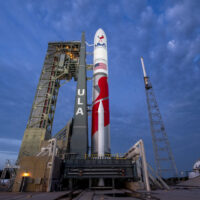
Strategic Asset Reassessment
Global launch availability remains in a state of critical constraint. According to Payload, the persistent scarcity of heavy-lift capacity has significantly increased the strategic relevance of United Launch Alliance (ULA). As the industry grapples with a "launch crunch," ULA’s established infrastructure and proven reliability make the legacy provider a prime target for reassessment by potential buyers.
Market Dynamics and Valuation
The supply-demand imbalance in the orbital delivery sector has shifted the leverage toward flight-proven platforms. ULA, a joint venture between Boeing and Lockheed Martin, currently holds a robust backlog, bolstered by its transition to the Vulcan Centaur architecture. This transition, while operationally complex, positions ULA as one of the few viable alternatives to SpaceX’s Falcon 9 and Falcon Heavy dominance.
The Buyer Profiles
Industry analysts suggest that the current market climate justifies a higher premium for vertically integrated capabilities. Potential acquirers are likely looking beyond traditional aerospace conglomerates; space-tech firms seeking to secure their own supply chains or private equity groups aiming to capitalize on high-barrier-to-entry infrastructure are key candidates. The logic is clear: owning the launch vehicle is the only way to guarantee a seat at the table in an era of multi-year manifest delays.
Conclusion
While previous speculation regarding a ULA sale fluctuated with development timelines, the current hardware shortage has solidified ULA's status as a critical defense and commercial asset. The price of entry into the heavy-lift market is rising, and for ULA, the "launch crunch" is a valuation multiplier.