UARX Space Recovers Maiden OSSIE-D Mission After Comms Blackout
Spanish OTV developer UARX Space successfully restored communications and deployed customer payloads after a critical ground station configuration error threatened its debut mission.
Mission Status: Recovery Confirmed
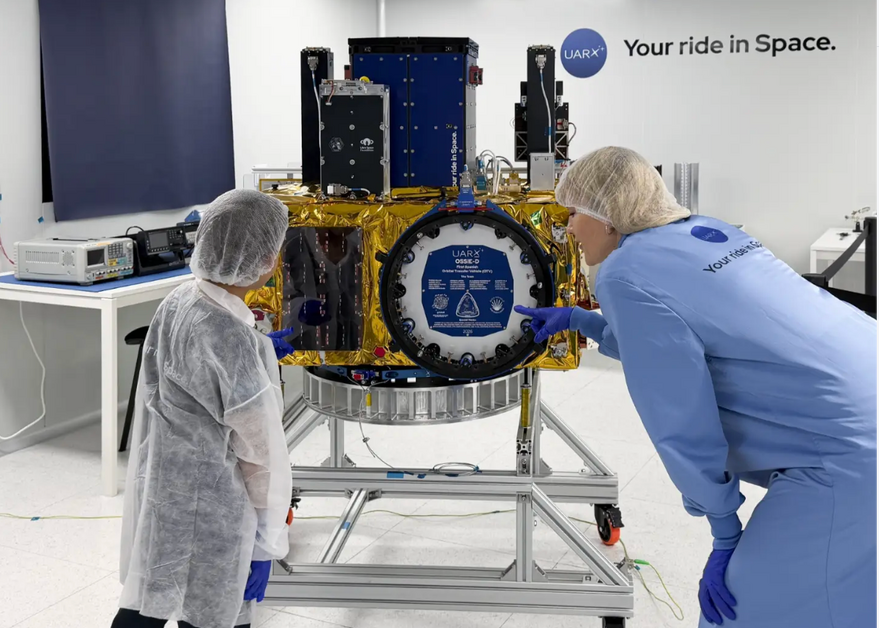
Spanish startup UARX Space has successfully stabilized its maiden orbital transfer vehicle (OTV), OSSIE-D, following a critical communications failure shortly after its October 1 launch on SpaceX’s Transporter-18 mission. According to SpaceNews, the 200-kilogram class vehicle experienced a total blackout due to a configuration error at a ground station service provider.
Tactical Response
Facing a silent spacecraft and limited battery life, UARX CTO Andrés Villa Granata initiated a contingency protocol. The team transmitted a blind backup command two days post-launch to activate the vehicle's Fault Detection, Isolation, and Recovery (FDIR) automation. This sequence was designed to force payload deployment without requiring real-time ground intervention, prioritizing customer mission success over vehicle diagnostic time.
Telemetry Analysis
Once the ground station interface error was corrected, two-way telemetry was restored. Data logs confirmed the FDIR commands were received and executed as intended. As of October 15, at least 10 PocketQubes have been successfully deployed. Among the confirmed payloads are satellites from AMSAT-Deutschland, Libre Space Foundation, and the National Technological University of Argentina.
While the early deployment caught some customers off guard—AMSAT-DL noted their signals initially went unheard—the maneuver successfully salvaged the mission. Several payloads remain integrated for future release, including hosted hardware from Dawn Aerospace. UARX also confirmed the successful operation of its proprietary SAU&RON deployment rings, marking a significant milestone for the Spanish space logistics firm despite the initial anomalies.