U.S. Space Force Triples NSSL Phase 3 Contract Ceiling to $17 Billion
Rising demand for military orbital access has forced the U.S. Space Force to expand its Lane 1 contract ceiling from $5.6 billion to $17 billion through 2029.
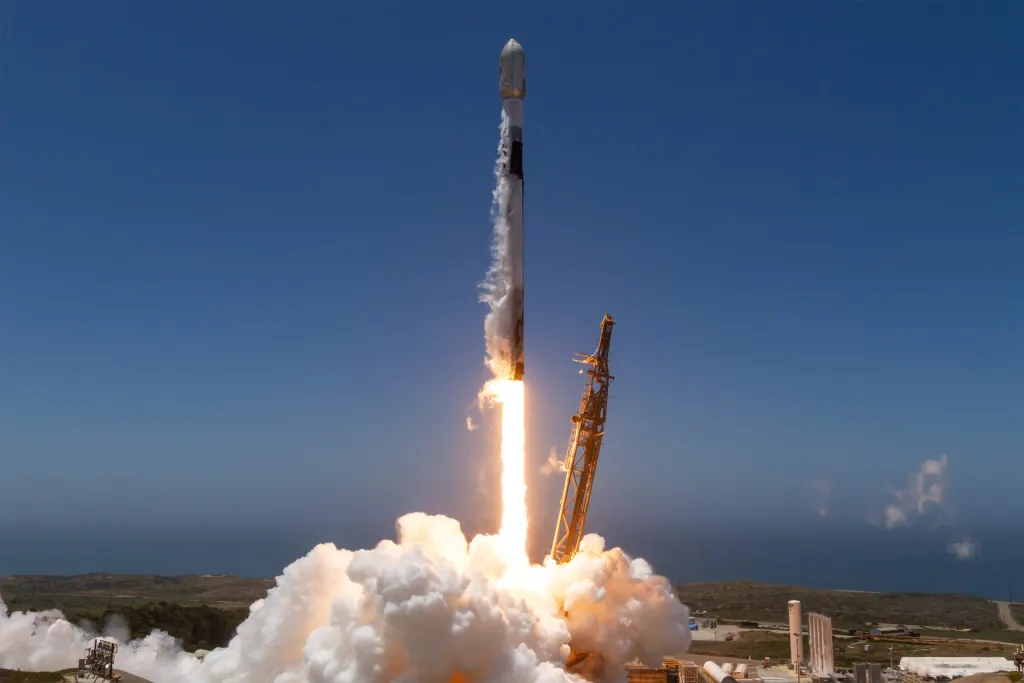
Operational Expansion
The U.S. Space Force is scaling its orbital launch capacity to meet an unprecedented surge in mission requirements. According to SpaceNews, the department has more than tripled the contract ceiling for the National Security Space Launch (NSSL) Phase 3 Lane 1 program, raising the maximum value from the initial $5.6 billion to $17 billion.
Strategic Realignment
This adjustment serves as a heavy-duty fiscal bridge through fiscal year 2029. The Lane 1 framework reflects a commercial-style procurement model designed for missions that do not require the rigorous mission-assurance or flight-certification standards of high-value, classified payloads. By increasing the ceiling, the Space Force secures the procurement bandwidth necessary to support a rapidly expanding manifest.
Currently, seven providers are authorized to compete for task orders within this vendor pool:
SpaceX
United Launch Alliance (ULA)
Blue Origin
Rocket Lab
Stoke Space
Impulse Space
* Relativity Space
Parallel Growth in Heavy Lift
The surge in demand is not limited to lighter commercial missions. In April, Space Systems Command identified an additional 25 missions for Lane 2—the segment reserved for the military’s most sensitive, heavy-lift satellites—bringing the total projected launch volume far beyond the original 2024 forecast. Unlike Lane 1, Lane 2 competition is restricted to providers with fully certified NSSL launch systems.
This fiscal expansion signals a systemic shift in U.S. defense posture, prioritizing rapid, redundant access to orbit via a diversified pool of launch providers.