U.S. NASA Authorization Bill Stalls Amid Legislative Gridlock
Political delays and shifting mission priorities threaten to derail the first standalone NASA authorization bill since 2017, leaving the agency's long-term roadmap in flux.
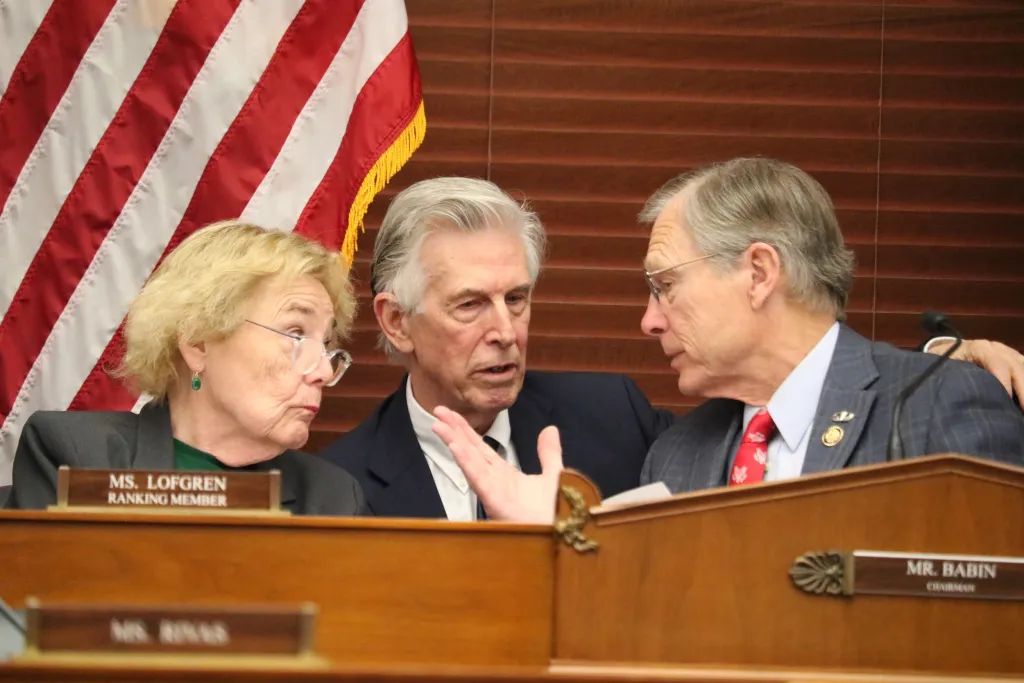
Efforts to pass a dedicated NASA authorization bill are stalling as the U.S. Congress grapples with a chaotic legislative calendar and deep-seated fiscal disputes. According to SpaceNews, the likelihood of a "regular order" passing of spending bills remains low, with the Commerce, Justice, and Science (CJS) bill facing repeated delays in both the House and Senate.
While the House Science Committee and Senate Appropriations Committee identified a NASA authorization as a priority for this session, reconciling their respective versions has proven difficult. The last standalone authorization occurred in 2017; more recent mandates were buried within the 2022 CHIPS and Science Act. Now, the ticking clock of the summer recess and the upcoming midterm elections threatens to push the issue into next year.
The primary friction points involve shifting mission architectures. The House version was finalized before NASA’s "Ignition" event in March, which introduced ambitious proposals for lunar bases and nuclear propulsion—initiatives notably absent from the agency’s subsequent budget request. Furthermore, the Senate bill proposes extending the International Space Station’s (ISS) lifespan until 2032 to allow commercial successors more time to mature, a point still under negotiation.
Bipartisan support exists, but bicameral consensus remains elusive. Staff directors for the House Science Committee’s space subcommittee indicate that while they are "thinking through" issues raised by NASA’s recent strategic pivots, the fundamental question of how to fund these expansive goals remains unanswered. Unless a final version surfaces within weeks, the industry may face another year of continuing resolutions and policy uncertainty.