TRANSATLANTIC EXPANSION: THE EXPLORATION COMPANY TARGETS US CONTRACTS
European-based The Exploration Company is pivoting toward US government contracts, signaling a strategic move to tap into the American defense and civilian space sectors.
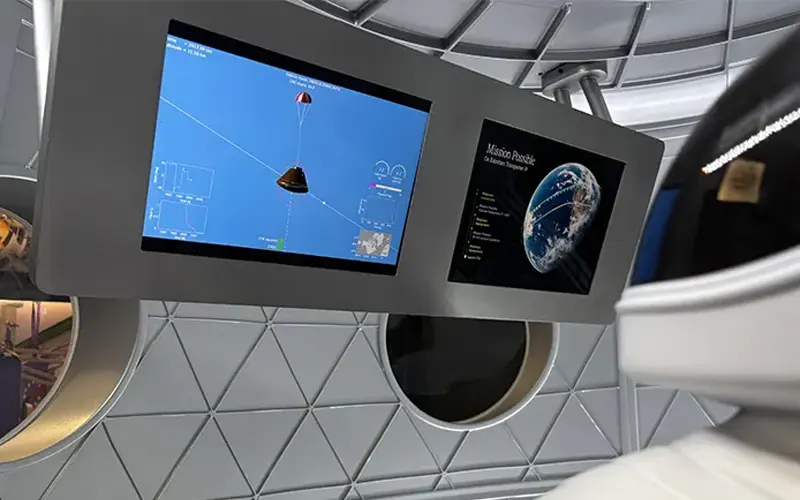
STRATEGIC PIVOT: EUROPEAN HARDWARE TO AMERICAN SOIL
In a move to capture a larger share of the global orbital logistics market, The Exploration Company (TEC) is officially pursuing United States government contracts. According to European Spaceflight, the manufacturer of the Nyx spacecraft—a modular and reusable transport vehicle designed for orbital logistics—is positioning itself to compete within the American aerospace ecosystem.
OPERATIONS BASE: CAPE CANAVERAL AND BEYOND
The move involves more than mere paperwork. TEC is establishing a dedicated US presence to meet the stringent security and national interest requirements dictated by American procurement agencies. This includes the potential for localized manufacturing and integration services, ensuring compliance with US defense regulations. By embedding itself within the domestic US supply chain, the firm aims to qualify for high-value programs under NASA and the Department of Defense.
DATA LOG: MISSION OBJECTIVES
The primary vehicle in this expansion is the Nyx spacecraft. Designed to provide cargo return and resupply services to the International Space Station (ISS) and upcoming commercial stations, Nyx represents a versatile asset for US orbital infrastructure. While TEC remains a European-headquartered entity, this strategic expansion is intended to diversify its revenue streams and reduce reliance on European institutional funding alone.
According to European Spaceflight, this shift mirrors a broader trend where European space startups seek out the more robust venture capital and contract environment found across the Atlantic. For TEC, the transition is a calculated risk to ensure the long-term viability of its reusable hardware in an increasingly competitive low-Earth orbit economy.