THE EXPLORATION COMPANY SETS 2027 FOR LUNAR HOPPER DEMONSTRATION
European startup The Exploration Company plans to deploy a lunar hopper demonstrator in 2027 to test propulsive landing and surface mobility technologies for future Moon exploration.
MISSION LOG: LUNAR SURFACE MOBILITY
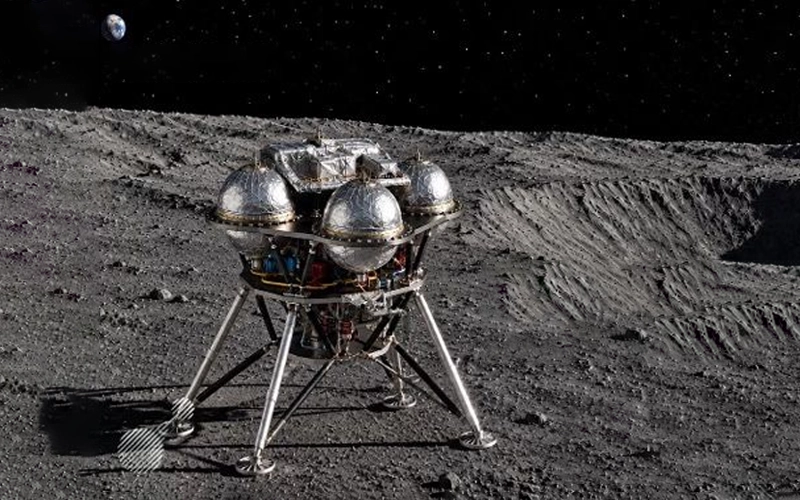
The Exploration Company (TEC) has confirmed a 2027 target for the deployment of its lunar hopper demonstrator. This mission represents a critical milestone in the company’s efforts to establish a foothold in the emerging lunar economy. According to European Spaceflight, the demonstrator is designed to validate key propulsion and navigation technologies necessary for autonomous surface operations on the Moon.
TECHNICAL OBJECTIVES
The 2027 flight will focus on testing a "hopping" maneuver—a method of mobility that uses propulsive bursts to transit between points on the lunar surface. This approach circumvents the terrain limitations faced by traditional wheeled rovers, potentially allowing access to craters and rugged highlands that are otherwise inaccessible. The demonstrator serves as a precursor to larger, more complex vehicles intended for logistical support and scientific surveying.
STRATEGIC ALIGNMENT
This mission follows TEC’s ongoing development of the Nyx spacecraft, a modular orbital vehicle designed for cargo transport to the International Space Station and, eventually, the lunar vicinity. By integrating hopping capabilities, TEC aims to offer a comprehensive end-to-end transport solution from Earth orbit to specific lunar surface coordinates. The 2027 timeline puts the company in direct competition with international providers seeking to secure contracts under the Artemis framework and private lunar initiatives.
Data retrieved from the demonstrator will refine the company’s Huracán engine performance and autonomous landing algorithms, cementing TEC’s position as a primary European player in deep space logistics.