Terrestrial Proxy: Madagascar’s Lunar Landscapes Analyzed
Satellite data reveals striking geological parallels between Madagascar's unique terrain and the lunar surface, providing a vital terrestrial laboratory for planetary research.
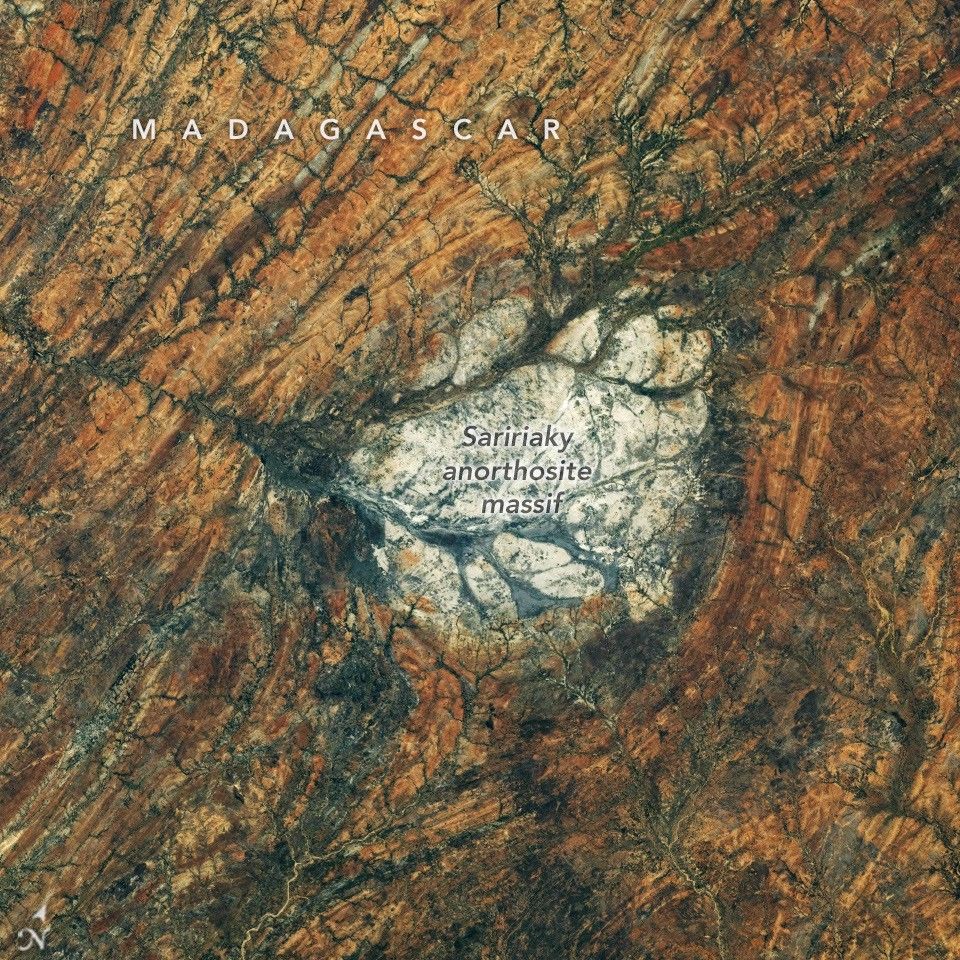
Orbital Analysis: The Madagascar Link
Recent Earth observation data has highlighted a significant geological anomaly in Madagascar. The island’s unique topography serves as a terrestrial analog for the lunar surface, offering researchers a rare opportunity to study planetary evolution without leaving Earth’s orbit.
According to NASA Breaking News, high-resolution imaging and multispectral data indicate that specific regions of Madagascar exhibit chemical and structural compositions remarkably similar to those found in the lunar highlands. These "moon-like" features are characterized by jagged ridges, deep erosion patterns, and mineral signatures that mimic the regolith found on the Moon.
Scientific Implications
For planetary scientists, Madagascar is more than a biodiversity hotspot; it is a vital testbed for space exploration. The island’s distinct volcanic history and subsequent weathering processes provide a natural laboratory to test remote sensing equipment. By calibrating instruments against these known terrestrial features, space agencies can improve the accuracy of data collected by lunar orbiters.
Data Utility
The integration of Earth-based data with lunar exploration goals is a cornerstone of modern planetary science. Utilizing these terrestrial proxies allows for the refinement of landing site selection and resource identification for future missions. As we look toward long-term lunar habitation, Madagascar’s geology remains a key piece of the planetary puzzle, bridging the gap between our world and the next.