TB 26-09: NESC Standardizes Hammer-Tap Methodology
NASA Engineering and Safety Center issues technical bulletin TB 26-09, detailing precise force measurement for hammer-tap testing in structural diagnostics.
Technical Protocol: TB 26-09
According to NASA Breaking News, the NASA Engineering and Safety Center (NESC) has released Technical Bulletin TB 26-09, detailing critical standards for measured hammer-tap inputs. This protocol focuses on the use of instrumented hammers to provide repeatable, quantifiable data for non-destructive evaluation (NDE) and structural health monitoring.
Quantifying the Strike
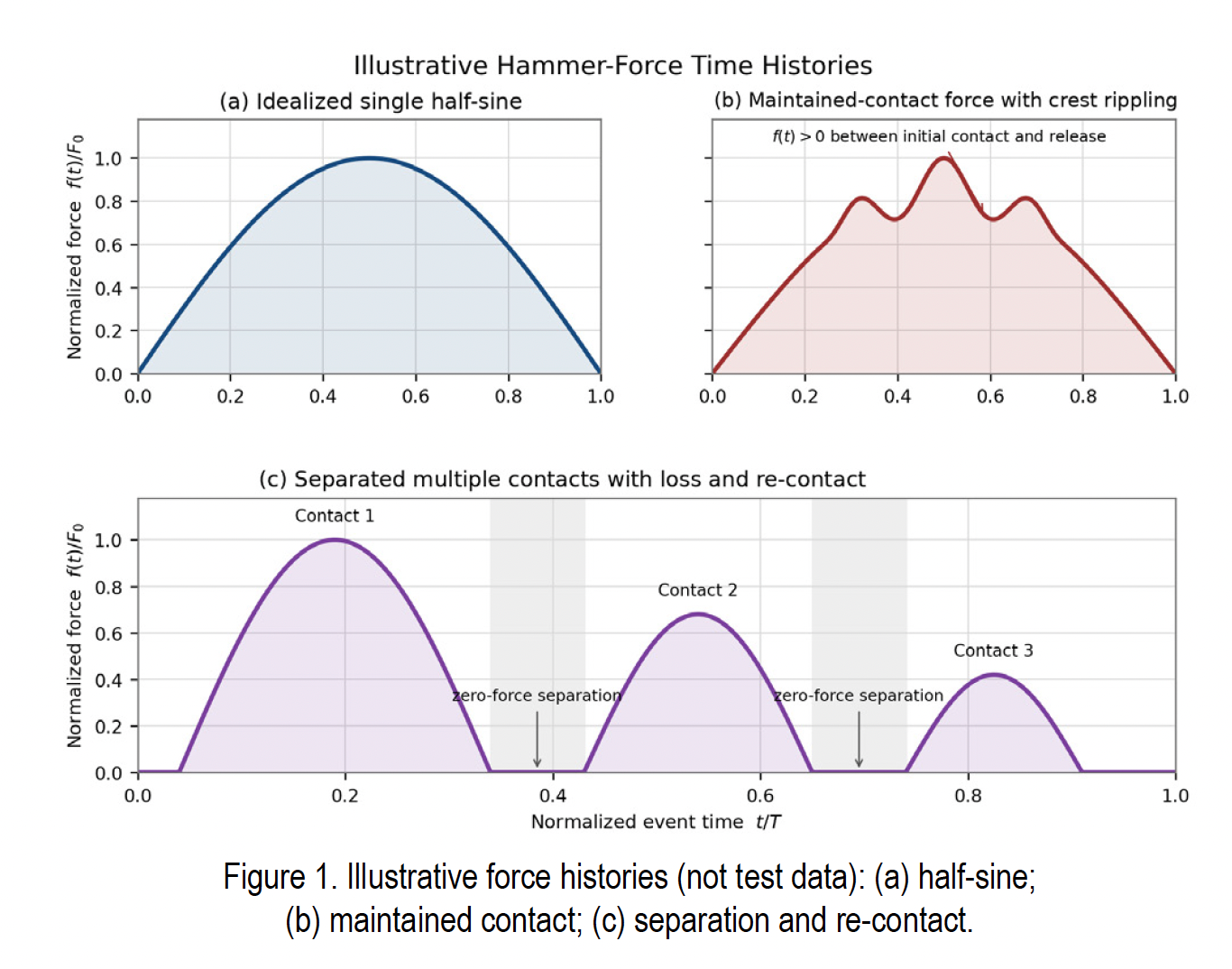
Traditional "tap testing" has long relied on the subjective ear of a technician. TB 26-09 shifts this toward a data-driven approach. By utilizing hammers equipped with force transducers, engineers can now measure the exact impulse—force over time—delivered to a surface. This allows for the identification of delamination, voids, or internal structural degradation in composite materials and metallic skins that might be invisible to the naked eye.
Precision Over Intuition
According to the bulletin, the standardization of these inputs is vital for creating accurate structural response models. The data captured through these measured strikes enables a high-fidelity comparison between theoretical simulations and the physical reality of flight hardware. This ensures that maintenance cycles and safety assessments for deep-space hardware, including components for the Artemis and ISS missions, are based on objective physical metrics.
Reliability and Scalability
By formalizing hammer-tap inputs, NASA aims to eliminate the variability inherent in human-operated tools. The implementation of TB 26-09 ensures that structural integrity data remains consistent across different centers and contractors, providing a unified baseline for mission-critical hardware certification.