Tactical Maneuver: The Shift Toward Dynamic Space Operations
Military demand for high-thrust, agile satellite propulsion is reshaping the smallsat market as the Space Force prioritizes 'dynamic space operations' over static orbital paths.
Propulsion Pivot
The era of passive orbital station-keeping is yielding to tactical agility. According to SpaceNews, military demand is rapidly reshaping the satellite propulsion sector, driving investment into systems that allow small satellites to dodge threats, shift theaters, and maintain low-altitude orbits. This shift marks a transition toward "dynamic space operations," where spacecraft act as active assets rather than fixed observers.
Technological Divergence
The market is currently split between high-thrust chemical systems and high-efficiency electric propulsion. Recent developments highlight this technological competition:
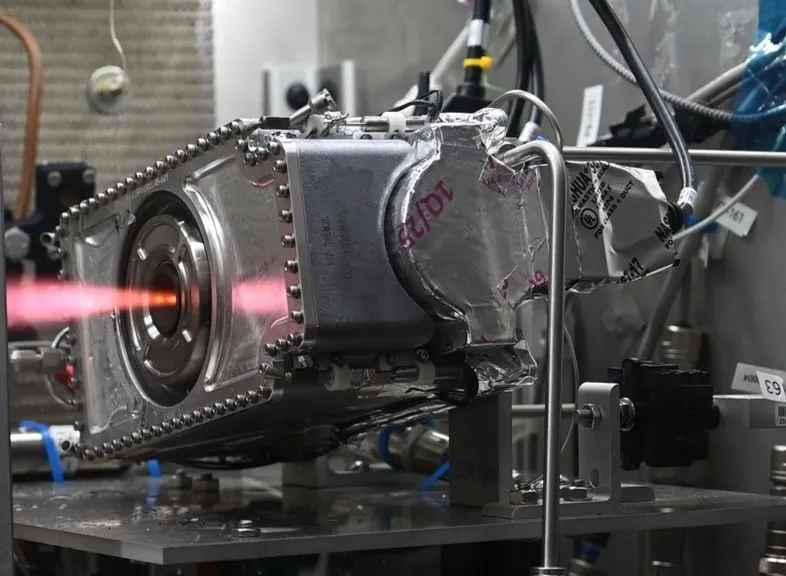
- Parabilis Space Technologies recently completed hot-fire testing for DOTS (Dense Orbital Transfer System), a toaster-sized hybrid engine designed for cubesats.
- Quantum Space is developing the Ranger vehicle, utilizing a single-propellant hybrid system to balance rapid maneuvering with long-term endurance.
- MIT Researchers are testing dual-mode systems that combine chemical and electrospray thrusters to optimize for both speed and fuel economy.
- Rocket Lab has entered the fray with Gauss, an electric Hall-effect system aimed at large-scale constellations.
Consolidation and Strategy
Industry consolidation signals that propulsion is now a critical strategic layer. York Space Systems recently acquired Orbion Space Technology, while Voyager Technologies absorbed ExoTerra Resource. These moves suggest that prime contractors are securing internal supply chains for high-maneuverability hardware.
While the U.S. Space Force has yet to finalize formal requirements, the private sector is preemptively building diverse capabilities. If maneuverability becomes a standard requirement, these early technological bets will define the next generation of orbital architecture. For now, the industry remains in a high-stakes demonstration phase, waiting to see if dynamic operations evolve from doctrine to deployed reality.