Systems Engineering: Tom Percy and the HLS Framework
According to NASA Breaking News, Systems Engineering lead Tom Percy is spearheading the architectural integration for the Human Landing System, ensuring the safe delivery of the next lunar pioneers.
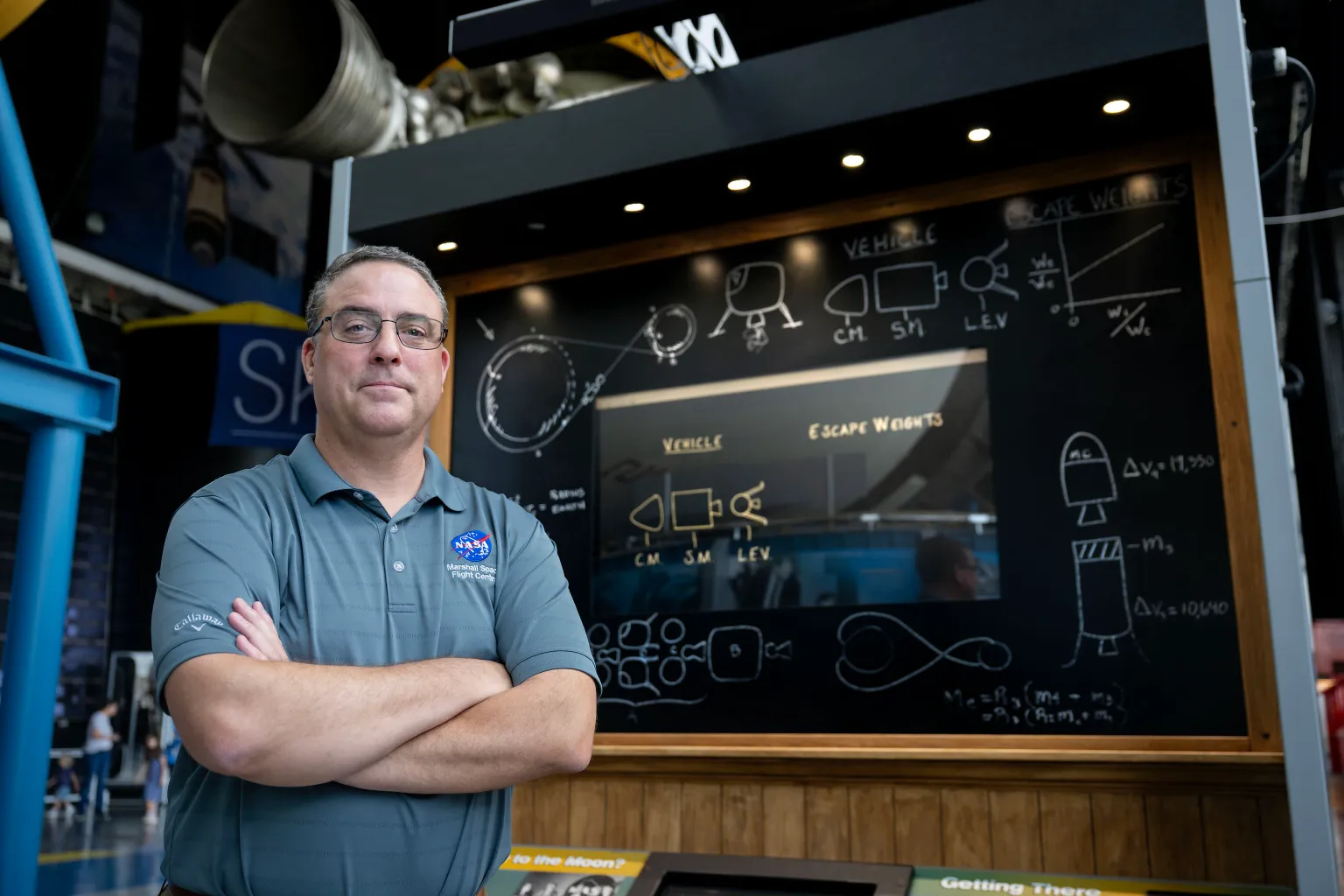
ARCHITECTURE INTEGRATION: ARTEMIS HLS
Systems Engineering remains the invisible skeleton of deep-space exploration. According to NASA Breaking News, Tom Percy serves as the lead systems engineer for the Human Landing System (HLS) Program at Marshall Space Flight Center. His mandate is the critical integration of hardware, software, and human factors required to transition astronauts from lunar orbit to the South Pole of the Moon.
Percy’s trajectory in aerospace began with a degree in mechanical engineering from the University of Central Florida, followed by a master’s from Georgia Tech and a doctorate from the University of Alabama in Huntsville. His technical expertise was forged through the analysis of lunar lander concepts and the development of propulsion systems for deep-space transit. Prior to his current role, Percy contributed to the Mars Architecture Team, where he refined the strategies necessary for sustaining human life on the Red Planet.
MISSION CRITICAL PARAMETERS
As part of the Artemis architecture, the HLS is the final link in a complex transportation chain involving the Space Launch System (SLS) and the Orion spacecraft. Percy’s team focuses on verifying that the complex commercial landers—developed by industry partners—meet stringent NASA safety and performance requirements. This involves managing the interfaces between high-energy descent stages, life support systems, and the lunar environment itself.
For Percy, the mission is a long-term commitment to establishing a permanent human presence beyond Low Earth Orbit. The engineering solutions being implemented today for the Artemis missions are designed to be extensible, serving as the blueprint for eventual crewed expeditions to Mars.