SYSTEM UPGRADE: NASA DEPLOYS ADVANCED COM-AIR INFRASTRUCTURE
NASA accelerates commercial aviation modernization, integrating orbital-grade data logistics into civil airspace to optimize efficiency and traffic management.
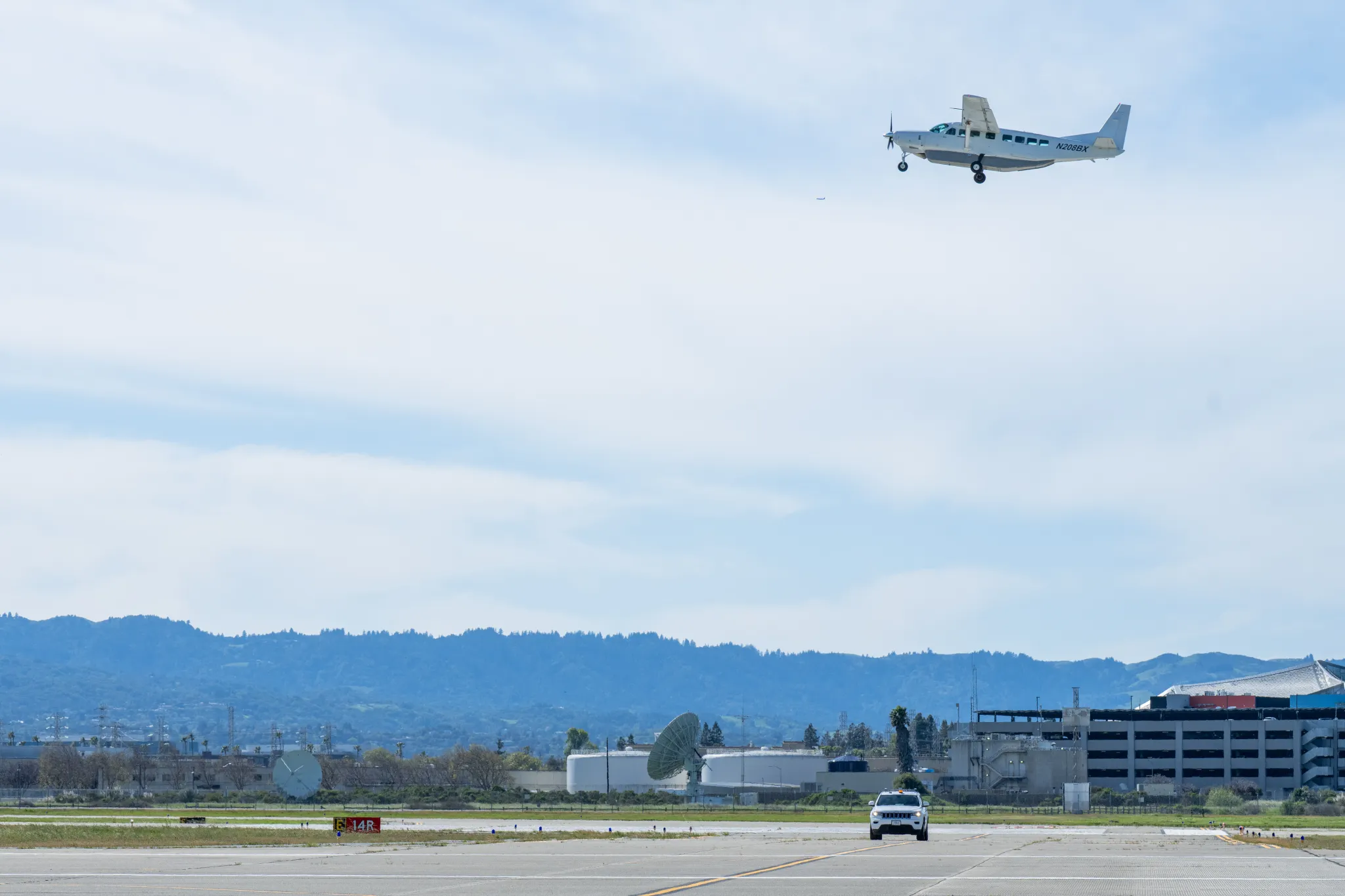
DATA OVERHAUL: CIVIL AVIATION PROTOCOLS
In a decisive push to align civilian air logistics with modern aerospace standards, NASA is spearheading a fundamental modernization of commercial airline systems. According to NASA Breaking News, the agency is migrating legacy infrastructure toward high-efficiency frameworks, aiming to synchronize ground control with real-time flight telemetry.
TECHNICAL INTEGRATION
The initiative focuses on the Airspace Operations Safety Program (AOSP), targeting the friction points in current air traffic management. By leveraging computational tools originally designed for deep-space missions and orbital mechanics, NASA seeks to minimize delays and optimize fuel burn. This transition involves a comprehensive suite of aeronautical research, including the deployment of advanced software that manages the complex density of modern transit corridors.
Key areas of technical focus include:
Trajectory-Based Operations: Transitioning from voice-heavy tactical control to data-driven strategic planning.
Sustainable Logistics: Implementing software optimized for green aviation technology to reduce the carbon footprint of heavy commercial carriers.
* Autonomous Support: Strengthening drone integration and unmanned traffic solutions to coexist with commercial fleets.
SECTOR IMPACT
While the primary theater of operations is within the U.S. domestic framework, the technological spinoffs are intended for global application. NASA’s focus on manufacturing, materials, and next-generation robotics ensures that these system upgrades are not merely software patches but structural enhancements to the aviation ecosystem. The goal is clear: a seamless, high-velocity network capable of meeting the demands of an increasingly congested atmosphere.
Verification of these protocols is ongoing, with data streams feeding directly into the next phase of the Advanced Air Mobility (AAM) mission architecture.