System Integrity: NASA Issues Directive on High-Oxygen Webbing Failures
NASA Engineering and Safety Center issues critical Technical Bulletin TB 26-04 regarding material flammability in oxygen-enriched environments.
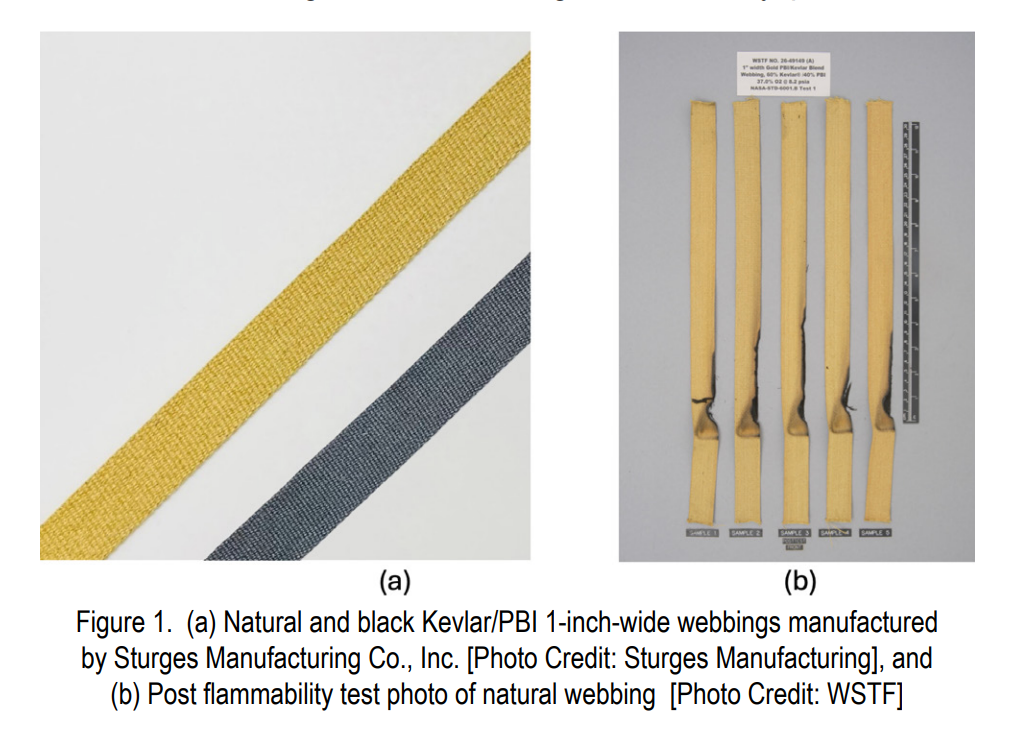
Protocol Update: NESC TB 26-04
NASA’s Engineering and Safety Center (NESC) has released Technical Bulletin TB 26-04, establishing new material standards for structural webbings utilized in elevated oxygen environments. This directive addresses a critical vulnerability in standard aerospace textiles when exposed to atmospheric conditions exceeding nominal oxygen concentrations.
According to NASA Breaking News, standard synthetic webbings—often used for restraint systems, cargo netting, and EVA tethering—exhibit significantly altered combustion profiles in oxygen-enriched settings. The bulletin identifies that materials safe for use in terrestrial air may become highly volatile or prone to rapid ignition when the partial pressure of oxygen is increased.
Technical Constraints
The NESC analysis focuses on the transition points where conventional polymers fail to maintain fire-retardant properties. Key findings indicate that even flame-resistant coatings can be bypassed by the thermal energy generated in high-O2 zones. NASA engineers recommend a rigorous re-evaluation of material selection for pressurized modules and life-support interfaces.
Compliance with TB 26-04 is expected to influence the design of next-generation habitats under the Artemis program. The bulletin serves as a technical baseline for ensuring that structural webbing does not facilitate flame propagation within habitable volumes. For hardware manufacturers, this necessitates a shift toward specialized fluoropolymers or high-performance aramid fibers that maintain chemical stability under oxidative stress.