SYSTEM CHECK: NASA VALIDATES RS-25 PROPULSION FOR LUNAR INSERTION
NASA successfully conducted a hot-fire test of the RS-25 engine at Stennis Space Center, securing critical performance data for the Space Launch System and future Artemis deep-space objectives.
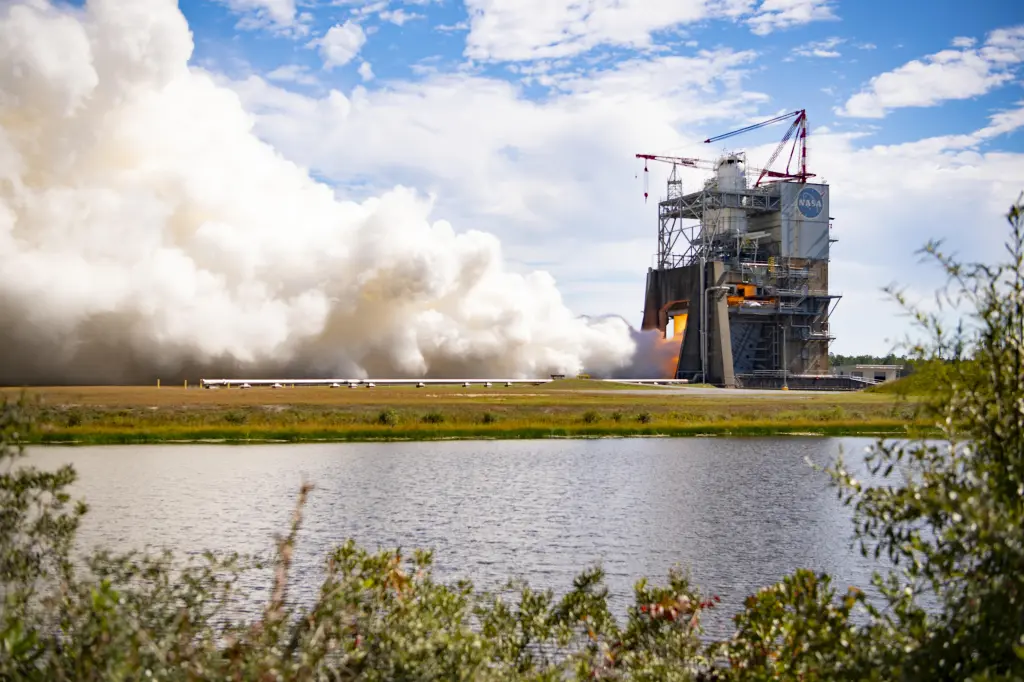
PROPULSION DIAGNOSTICS: RS-25 HOT-FIRE SUCCESS
Operational telemetry confirms that NASA has successfully executed a critical hot-fire test of the RS-25 engine at the Stennis Space Center in Mississippi. This procedure is a fundamental component of the certification sequence for the Space Launch System (SLS), the heavy-lift vehicle designated for the Artemis lunar campaign.
According to NASA Breaking News, the test focused on validating the performance parameters of newly manufactured engine components. The RS-25, a legacy of the Space Shuttle Program, has undergone extensive modernization to meet the high-thrust requirements of deep-space exploration. Four of these engines will power the SLS core stage, providing the two million pounds of thrust necessary to breach Earth's gravity well.
TECHNICAL VALIDATION
Engineers monitored the unit’s internal pressures, thermal management systems, and propellant flow rates during the firing. This specific test run supports the production of engines for Artemis V and subsequent missions, where hardware durability is paramount for sustained lunar operations. By stressing the hardware in a controlled ground environment, the agency mitigates the risk of structural failure during the ascent phase of manned missions.
LUNAR INFRASTRUCTURE
The RS-25 remains the primary propulsion solution for NASA’s return to the Moon. As the Artemis program transitions from initial sorties to established lunar presence, the reliability of these powerplants dictates the mission cadence. The successful completion of this test cycle ensures that the assembly line for future SLS cores remains synchronized with the mission roadmap.