SUPERSOUND: X-59 QUIET SUPERSONIC PLATFORM ENTERS PILOTED PHASE
NASA’s X-59 QueSST aircraft, designed to mitigate sonic booms for overland flight, prepares for critical piloted test flights to validate its experimental low-noise aerodynamic profile.
DATA OVERVIEW: SONIC MITIGATION
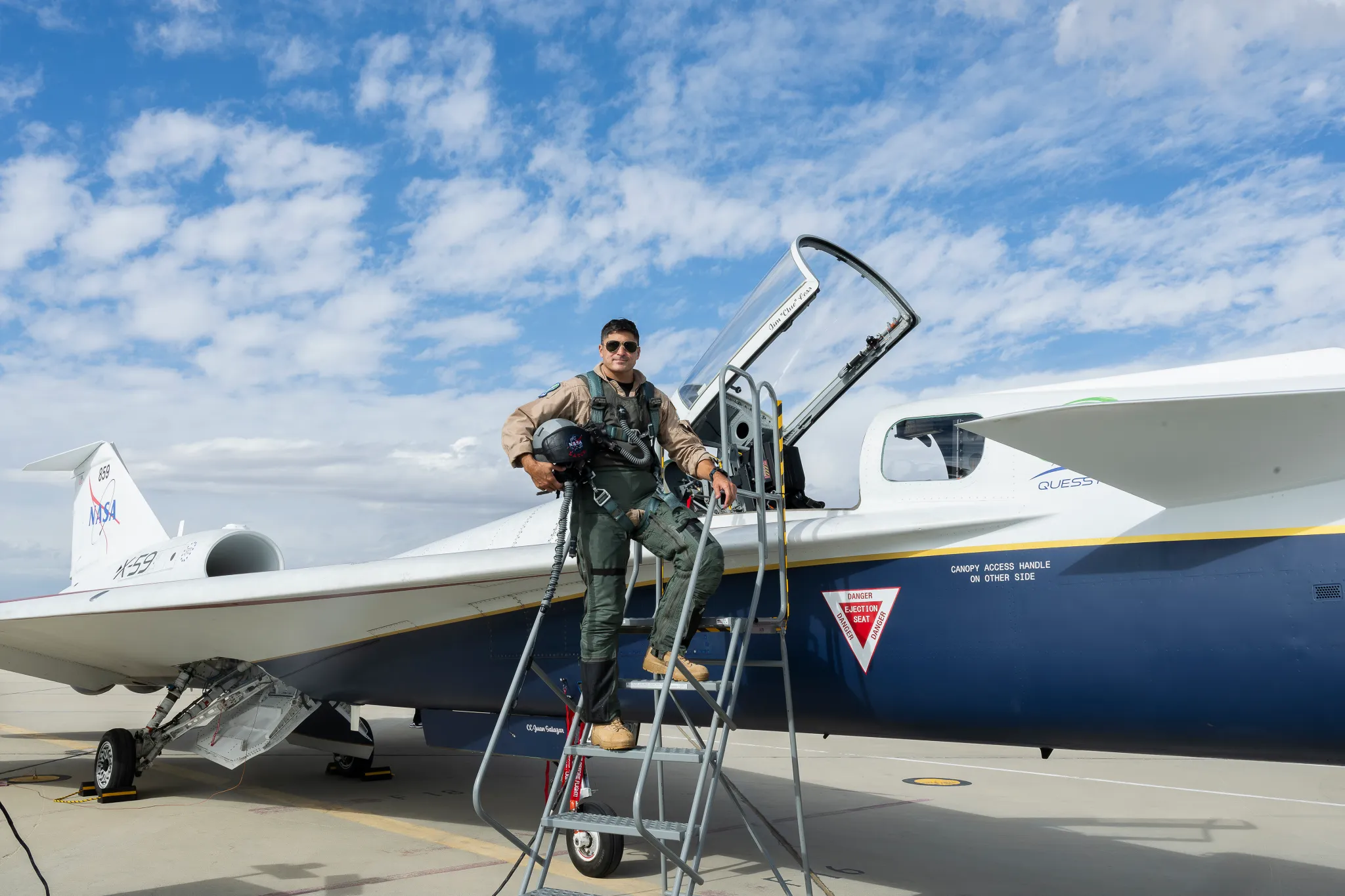
NASA has reached a critical milestone in the development of the X-59, the experimental aircraft centerpiece of the Quesst mission. According to NASA Breaking News, the agency is now moving into a phase of rigorous testing involving dedicated test pilots to evaluate the aircraft’s performance and safety. The X-59 is an airframe designed to overcome one of the primary barriers to commercial supersonic travel: the sonic boom.
TECHNICAL ARCHITECTURE
The X-59’s geometry is highly specialized, featuring a long, tapered nose that accounts for nearly a third of the aircraft's total length. This design is engineered to disperse shockwaves that typically coalesce into a loud boom, instead generating a muted "thud." If validated, this technology could lead to a reversal of long-standing international regulations that currently prohibit supersonic flight over land due to noise pollution.
MISSION OBJECTIVES
The current flight testing schedule involves a human-in-the-loop validation of the aircraft’s unique systems, including the External Vision System (XVS), which replaces a traditional forward-facing cockpit window to maintain the airframe’s aerodynamic integrity. Data gathered from these sorties will be shared with international regulators to define new standards for overland supersonic travel.
By assessing the noise footprint of the X-59 in diverse environments, NASA aims to provide the acoustic evidence required to modernize the global aerospace industry. The mission remains a cornerstone of current aeronautics research, focusing on the intersection of efficiency, speed, and environmental impact.