Subterranean Mars: The Search for Habitability Below the Surface
Exploration of the Martian subsurface emerges as the next frontier for astrobiology. According to NASA Breaking News, researchers are shifting focus from surface imagery to deep geological analysis.
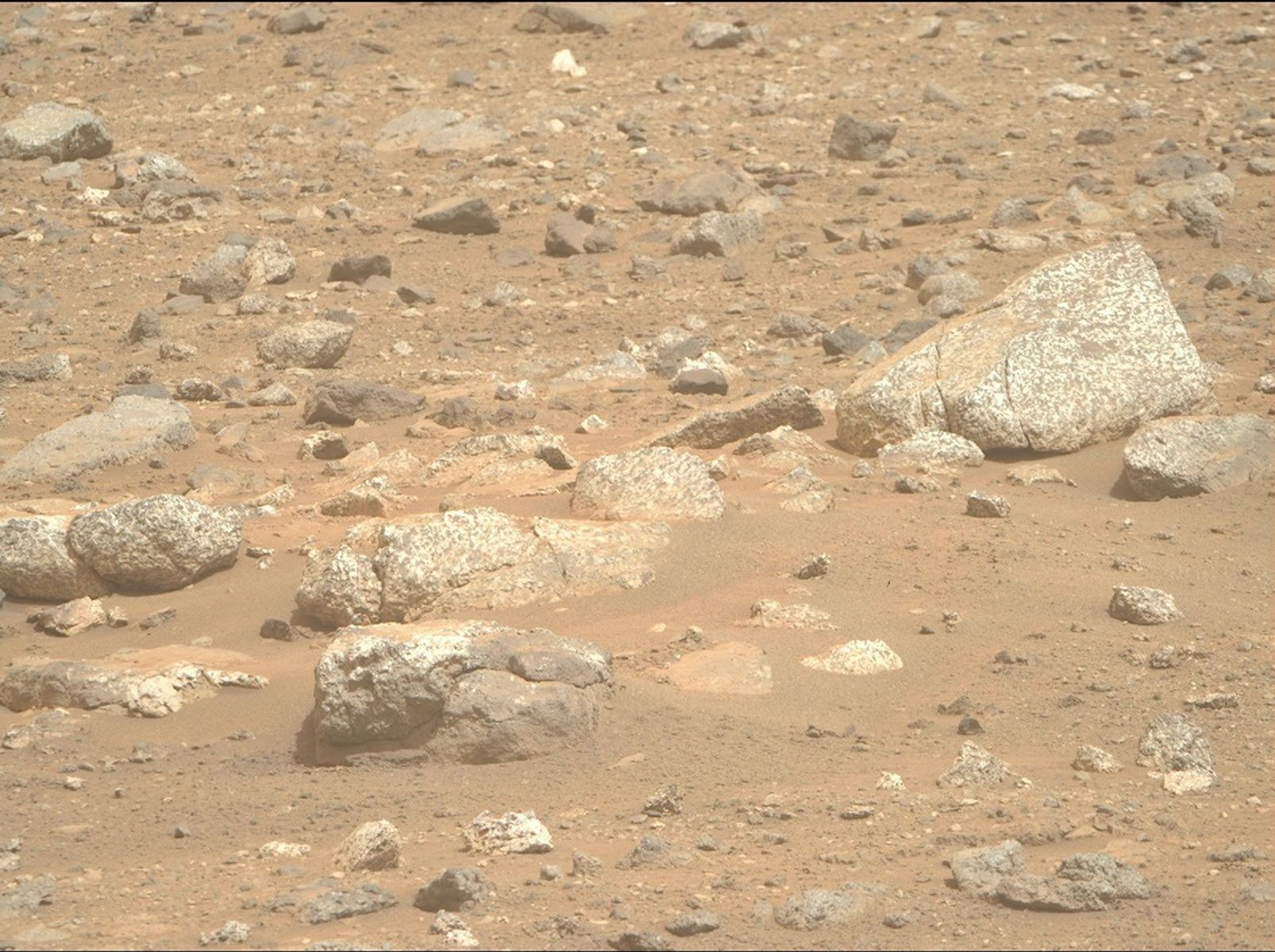
DATA LOG: SUBSURFACE ANALYSIS
The exploration of Mars is entering a high-resolution phase targeting the planet's interior. According to NASA Breaking News, the scientific community is pivoting from orbital surveys of the dusty, irradiated surface to investigating the potential habitability of the Martian depths. While the surface remains a frigid, hyper-arid wasteland, the subterranean environment offers shielding from cosmic radiation and the possibility of thermal stability.
GEOLOGICAL OBJECTIVES
Strategic focus is now centered on identifying access points to the Martian crust. The goal is to locate regions where liquid water may have once persisted or where microbial life could have theoretically retreated as the atmosphere thinned. Unlike the surface, which has been scrubbed by eons of solar wind and chemical oxidation, the deep layers of the Martian crust serve as a geological time capsule, preserving chemical signatures from the planet's more temperate youth.
OPERATIONAL SHIFT
This shift in mission profile necessitates advanced robotic drilling and seismic monitoring. By analyzing the planetary interior, researchers aim to reconstruct the history of the Martian magnetic field and the evolution of its core. These findings will determine whether Mars was merely a briefly habitable rock or if it possessed the longevity required for biological complexity to emerge. As NASA and its international partners refine these objectives, the focus remains clear: the answers to Mars’ past are no longer on the surface; they are beneath it.