Suborbital Training: Preparing for the Artemis Era
NASA accelerates lunar readiness through high-altitude T-38 operations, ensuring crew proficiency ahead of Artemis and ISS deployments.
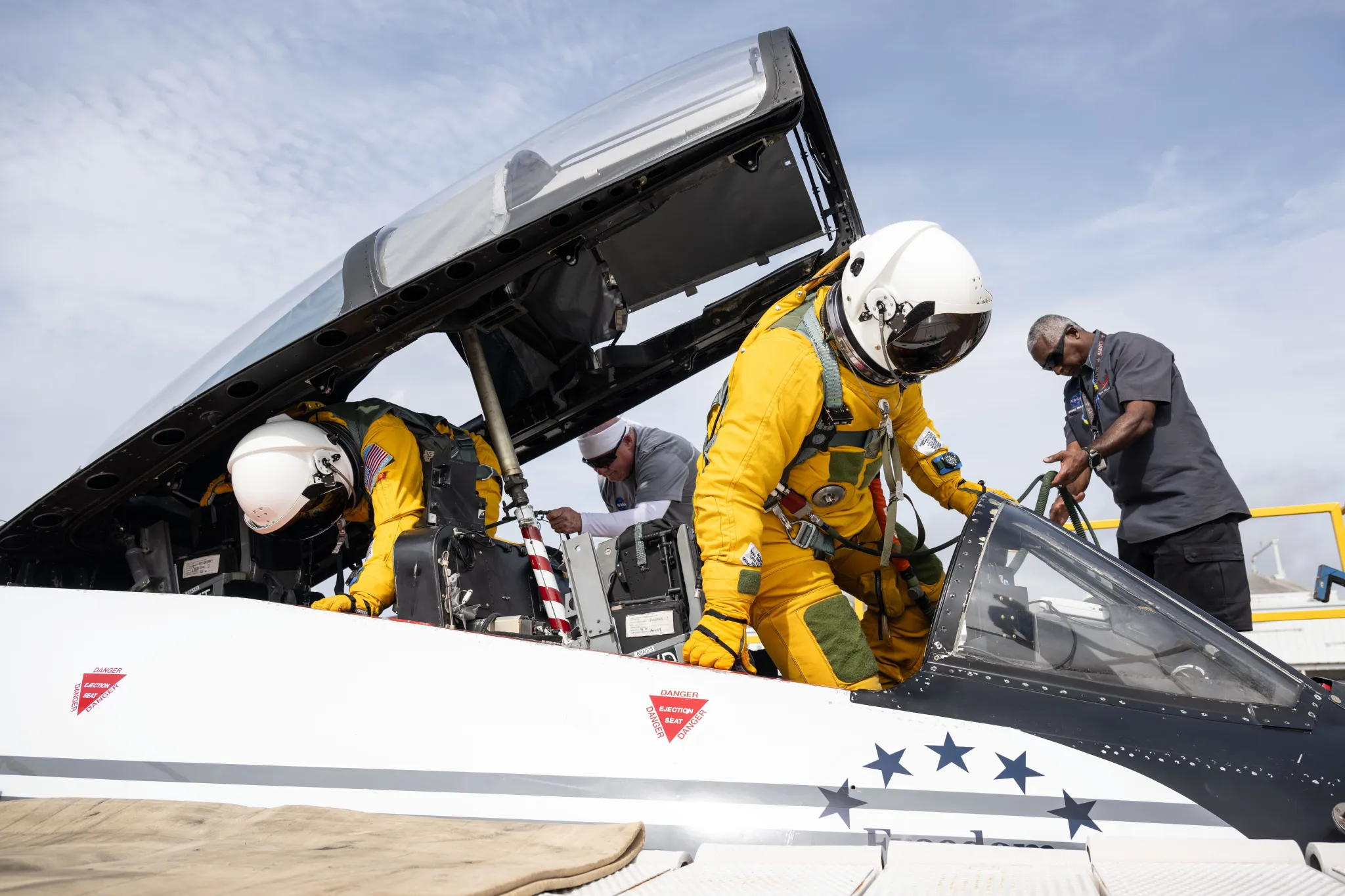
Operational Readiness
In the lead-up to the next era of lunar exploration, suborbital flight remains a critical pillar of astronaut preparation. According to NASA Breaking News, the agency is leveraging its fleet of Northrop T-38 Talon supersonic jets to maintain high-stakes operational proficiency for crews assigned to the Artemis program and the International Space Station (ISS).
The T-38 Platform
While primary mission hardware like the Orion spacecraft and the Space Launch System (SLS) dominate the headlines, the T-38 serves as a vital bridge between ground-based simulations and the vacuum of space. These tandem-seat jets require pilots and mission specialists to make split-second decisions in high-G environments—conditions that cannot be replicated in a static simulator. This training regimen ensures that the cognitive load of flight becomes second nature before crews reach low Earth orbit or the lunar surface.
Artemis and Beyond
NASA’s current operational tempo is intensifying. With the NavCube3-mini payload recently delivered for lunar relay and updates provided on Moon base cargo landers, the demand for flight-ready personnel is at a premium. The T-38 program remains the standard for testing psychological resilience and technical coordination. As the agency moves closer to August 2026 skywatching milestones and future lunar landings, these suborbital sorties remain the definitive proving ground for the men and women spearheading human expansion into the solar system.