Suborbital Ascent: Louisiana Student Payloads Reach Stratosphere via Texas Launch
Student-designed scientific payloads successfully reached the upper atmosphere this week, launched from NASA’s Columbia Scientific Balloon Facility in Palestine, Texas.
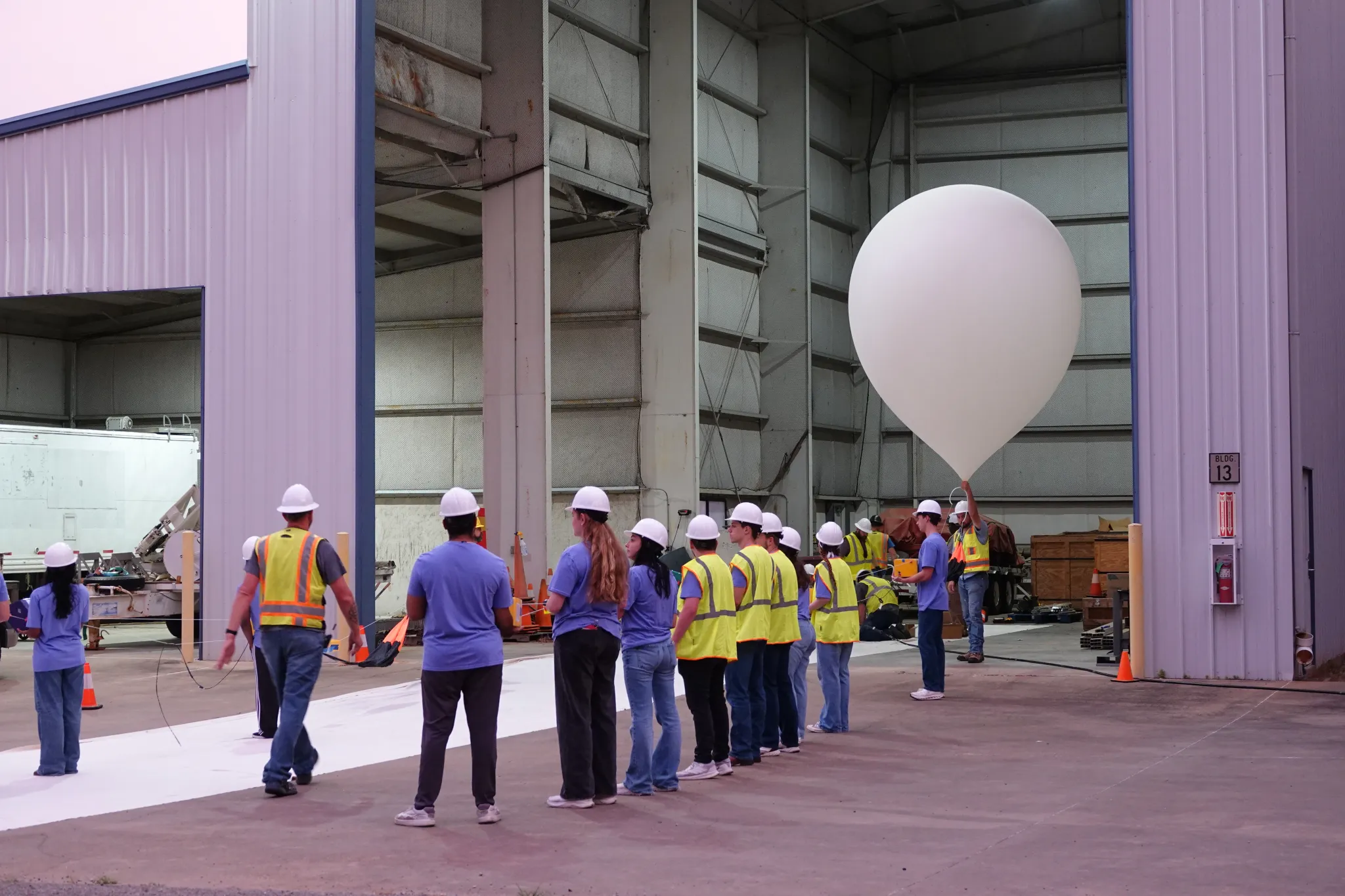
Mission Parameters
A critical window of atmospheric research opened this week as student teams from Louisiana successfully deployed scientific payloads into the stratosphere. Operating from the Columbia Scientific Balloon Facility (CSBF) in Palestine, Texas, the mission utilized high-altitude balloons to bypass the dense lower atmosphere and reach near-space conditions.
Payload Deployment
According to NASA Breaking News, the launch served as a primary field operation for the Louisiana Aerospace Catalyst Experience (LaACES). This initiative provides undergraduate students with the operational framework required to design, integrate, and fly custom hardware in a suborbital environment. The payloads were lofted to altitudes exceeding 30 kilometers—above 99% of Earth's atmosphere—where they were subjected to extreme thermal gradients and cosmic radiation.
Strategic Objectives
The experiments focused on gathering real-time telemetry, including temperature, pressure, and radiation levels. By utilizing the Texas-based facility, these student groups gained access to the specialized ground stations and recovery protocols typically reserved for professional agency missions.
This operational cycle highlights the continued reliance on zero-pressure balloon technology as a low-cost, high-return vector for aerospace training and atmospheric profiling. The recovery phase is now underway to secure data recorders and hardware for post-flight analysis, ensuring that the next generation of engineers can validate their telemetry against physical evidence retrieved from the flight site.