Stellar Forge: Inside the G35.20-0.74 N High-Mass Protostar
New observations from the Hubble Space Telescope reveal the violent birth of a high-mass star within the G35.20-0.74 N nebula, shedding light on the mechanics of massive stellar formation.
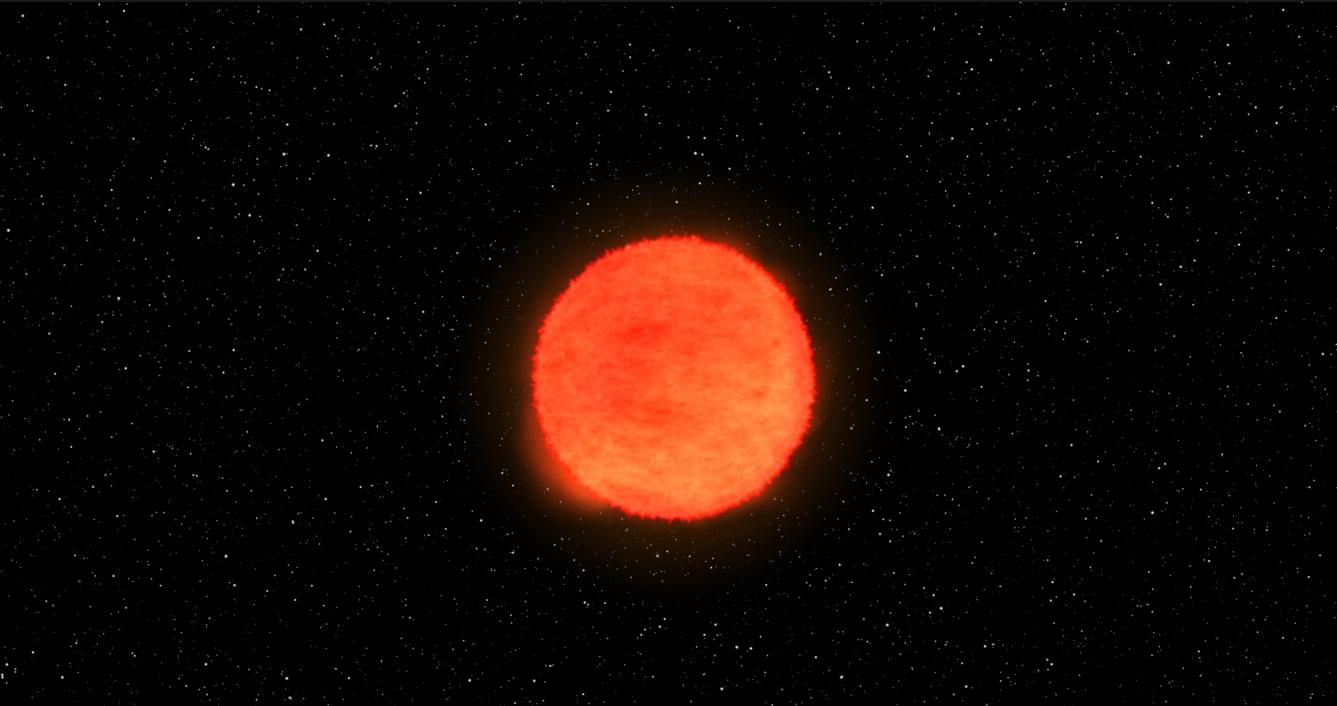
Primary Analysis: G35.20-0.74 N
Data retrieved from the NASA/ESA Hubble Space Telescope has provided a high-resolution window into the "nebulous cauldron" of G35.20-0.74 N, a region of intense star formation located approximately 8,000 light-years from Earth in the constellation Aquila. This sector is currently hosting the birth of at least one high-mass protostar, a process marked by extreme gravitational collapse and energetic outflows.
According to ESA, the subject of this observation is a massive star in its earliest developmental stages. Unlike lower-mass stars like the Sun, high-mass stars exert a profound influence on their surroundings through intense radiation and powerful stellar winds. The captured imagery reveals thick clouds of interstellar gas and dust being illuminated from within, creating a complex structure of glowing cavities and dark filaments.
Kinetic Dynamics and Outflows
The central engine of G35.20-0.74 N is driving significant kinetic energy into the surrounding medium. Astronomers utilize Hubble’s Wide Field Camera 3 (WFC3) to penetrate the dense infrared-opaque dust, isolating the jets of ionized gas ejected by the forming star. These jets serve as cosmic excavators, carving out the nebula and preventing further matter from accumulating onto the stellar surface once a certain threshold is reached.
Understanding these high-mass birth sites is critical for galactic evolution models. These stars are the primary producers of heavy elements and serve as the precursors to supernovae. The mission highlights Europe's continued leadership in deep-space observational infrastructure, providing the raw data necessary to decode the lifecycle of the cosmos's most volatile inhabitants.