Stellar Forge: Analyzing the Orion Nebula M42
New imaging data from the Orion Nebula provides a high-resolution look at the stellar nursery M42, highlighting critical star-formation processes within our galactic neighborhood.
Mission Status: Deep Space Observation
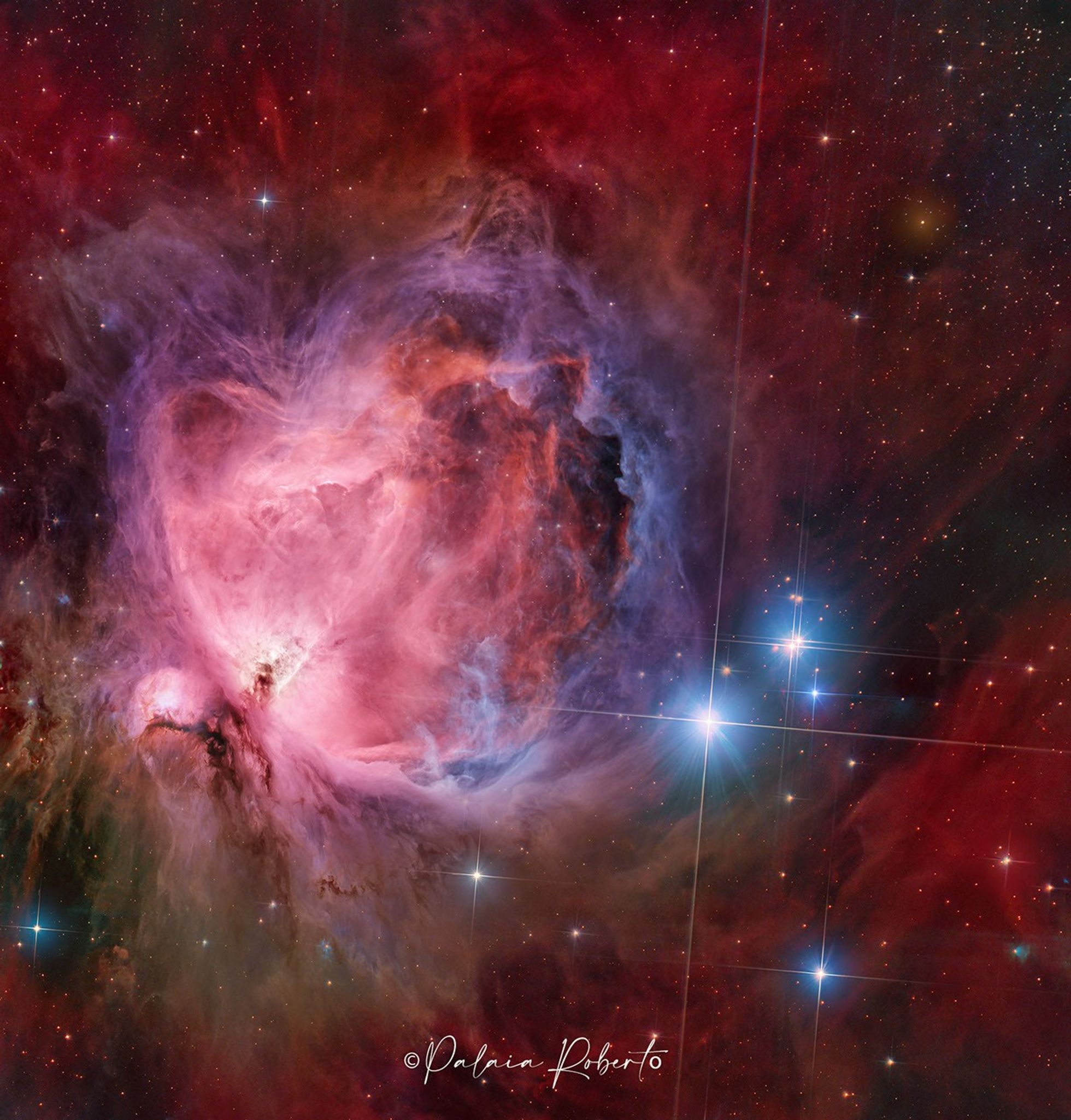
Recent data sets confirm that the Orion Nebula (M42) remains one of the most active and visible stellar nurseries in the local sector. According to NASA Breaking News, the nebula—located approximately 1,300 light-years from Earth—serves as a primary laboratory for understanding the lifecycle of stars.
The latest imagery captures the intense radiation and stellar winds emitted by the Trapezium Cluster, a quartet of massive stars at the nebula's core. These forces are actively carving out the surrounding gas and dust, triggering new star formation at the periphery. The visual spectrum reveals the characteristic glow of ionized hydrogen, while darker filaments indicate high-density cold gas where future protostars are currently coalescing.
Strategic Implications
Observation of M42 is not merely aesthetic; it is a structural necessity for astrophysical modeling. Data gathered here informs the operational parameters for the James Webb Space Telescope (JWST) and the upcoming Nancy Grace Roman Space Telescope, which is currently entering its final commissioning phase. Simultaneously, the Psyche mission continues its transit toward the asteroid belt, further expanding the network of robotic surveyors analyzing the solar system’s evolution.
For terrestrial observers and orbital platforms, M42 offers a high-fidelity look at the physics of ionized nebulae. These findings validate current theories on protoplanetary disk formation, providing a blueprint for the early stages of systems similar to our own.