Starship Operational: SpaceX Reaches Orbit on 14th Attempt
SpaceX has transitioned Starship from prototype to operational asset, successfully reaching orbit and deploying 26 Starlink satellites despite an engine failure during ascent.
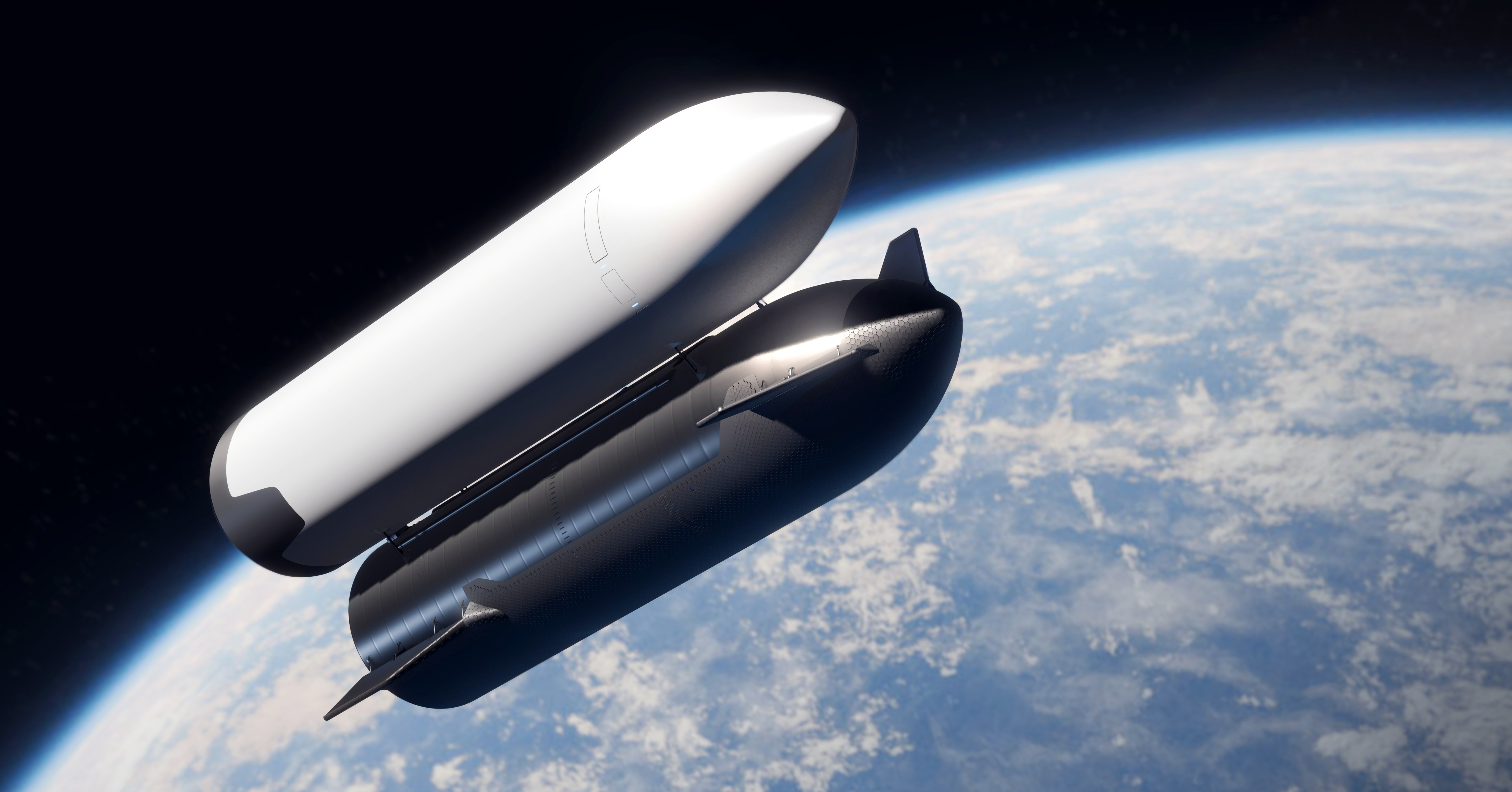
Mission Profile: Operational Transition
SpaceX has successfully achieved orbital insertion with Starship, marking a critical pivot from experimental testing to operational utility. According to Payload, the milestone occurred during the vehicle's 14th test flight, originating from the Starbase facility in Texas at 08:48 ET.
Technical Status Report
The ascent phase was not without anomalies. Data indicates the loss of one of the vehicle’s six engines during the climb. Despite the propulsion deficit, mission controllers proceeded with the orbital attempt. The gamble proved successful; Starship entered its target orbit approximately 25 minutes post-liftoff.
Payload Deployment: Starlink V3
Upon reaching stable orbit, the vehicle utilized its integrated "Pez dispenser" mechanism to deploy 26 V3 Starlink satellites over a 30-minute window. Unlike previous test iterations where satellites were used for brief atmospheric reentry data, this batch represents the first Starship-launched hardware to enter the active broadband constellation. SpaceX confirmed signal acquisition with the hardware shortly after deployment.
Strategic Outlook
The mission confirms the heavy-lift vehicle's viability for large-scale orbital delivery. Future configurations are expected to increase payload density, with a target capacity of 60 V3 satellites per launch. As the industry moves toward high-cadence heavy lift, this successful operational debut sets the new standard for orbital logistics.