Starliner Failure Rooted in Systemic Overconfidence
A NASA Inspector General report identifies institutional overconfidence, flawed scheduling, and restricted data access as the primary drivers behind Boeing Starliner's ongoing certification delays.
# OIG Report: Cultural Failures Ground Starliner
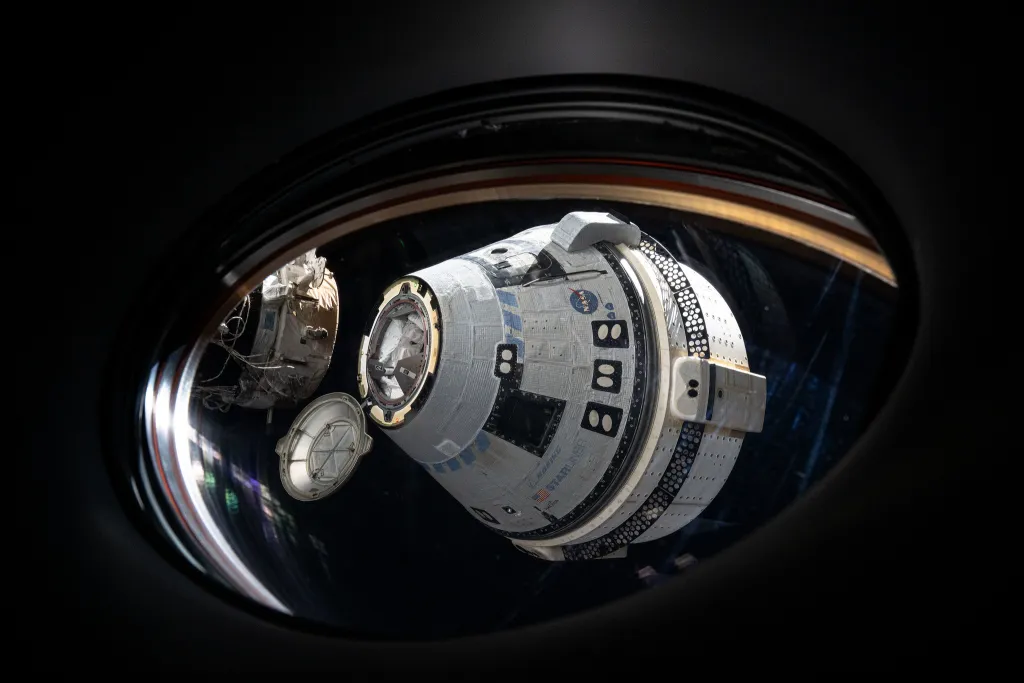
A scathing report from NASA’s Office of Inspector General (OIG) has pinpointed the technical and organizational failures responsible for the Boeing CST-100 Starliner’s prolonged grounding. According to SpaceNews, the document attributes the spacecraft’s struggle to a lethal mix of overconfidence, unrealistic mission schedules, and a critical lack of transparency.
The OIG identified three primary systemic failures. First, NASA allowed Boeing to bypass integrated testing for heritage systems, assuming the veteran contractor’s experience guaranteed success. Second, this bias led both parties to maintain a perpetual, unrealistic "six months to launch" mindset for years, which compromised testing cycles. Finally, the report reveals that NASA lacked full access to Boeing’s simulation data. Crucially, the OIG noted that simulation runs resulting in the loss of vehicle or crew were not always subject to the rigorous, open investigations typical of the Space Shuttle era.
The agency further compounded these issues by delaying the formal "Type A" mishap designation for the Crew Flight Test (CFT) for 21 months. Meanwhile, the Commercial Crew Program office has faced a 21% staff loss, threatening its ability to conduct safety reviews.
While Boeing CEO Kelly Ortberg remains optimistic, citing corrective actions for thruster malfunctions, the OIG is less sanguine. With certification likely slipping to 2027 and the International Space Station scheduled for decommissioning in 2030, there is growing doubt as to whether Boeing will complete its three contracted crew missions before the station's end of life.