Star Formation: Deciphering the Cosmic Nursery
A deep dive into the gravitational collapse and thermal ignition processes that transform interstellar gas clouds into stellar engines.
# Stellar Genesis: From Dust to Fusion
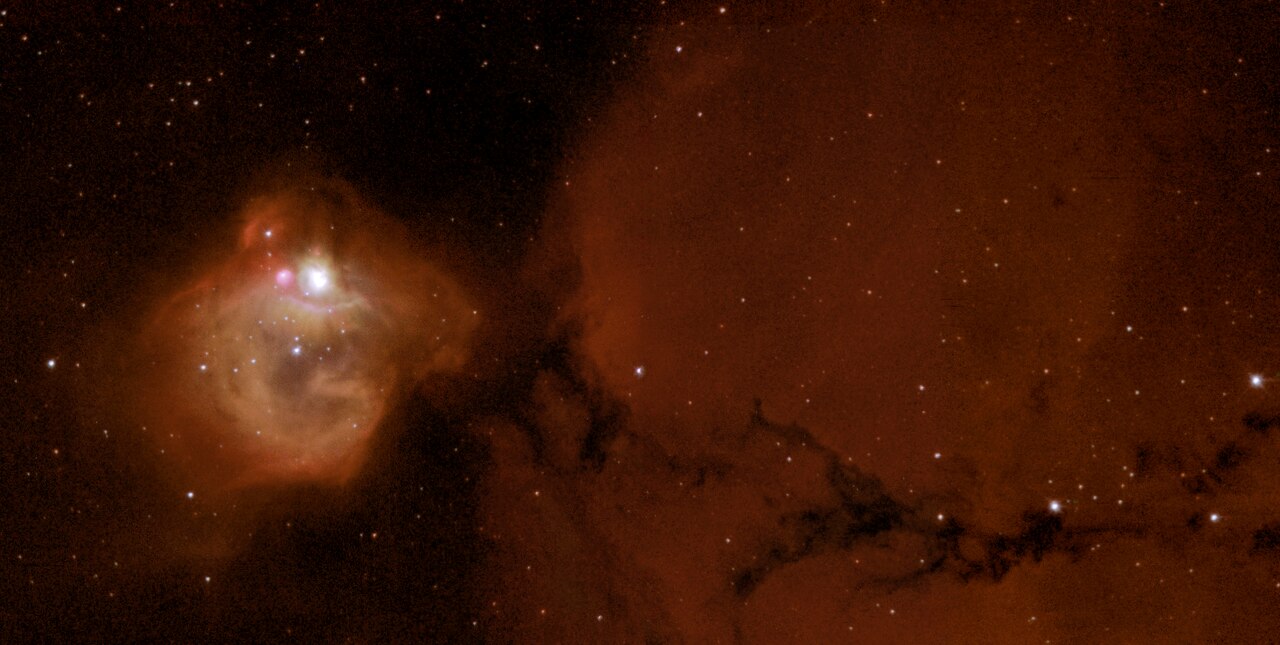
The transformation of void into matter remains the fundamental mechanism of our universe. According to ESA YouTube, the lifecycle of a star originates within vast, cold reservoirs of interstellar material known as molecular clouds. These regions, primarily composed of hydrogen gas and microscopic dust particles, serve as the primary nurseries for all stellar bodies.
The Gravitational Catalyst
Stellar formation is triggered when these clouds lose internal equilibrium. Whether through the shockwave of a nearby supernova or the slow accumulation of density, gravity begins to overpower internal pressure. This causes the cloud to fragment and collapse inward. As the density increases, the core of the fragment heats up, forming a protostar. This stage is marked by the conversion of gravitational energy into thermal energy, though the object has not yet achieved the status of a true star.
Hydrostatic Equilibrium
To transition from a protostar to a main-sequence star, the core must reach a critical temperature of approximately 10 million Kelvin. At this threshold, hydrogen nuclei overcome their electrostatic repulsion and begin nuclear fusion. The outward radiation pressure generated by this fusion counters the inward pull of gravity. This state of hydrostatic equilibrium stabilizes the object, marking the birth of a new star.
Understanding these processes is critical for mapping the evolution of galaxies and the eventual formation of planetary systems, providing the chemical groundwork for all known celestial architecture.