Star Catcher to Demo First Space-to-Space Power Beaming
Star Catcher’s 'Protostar' node is set for a SpaceX Transporter mission to validate end-to-end orbital energy harvesting and transmission between spacecraft.
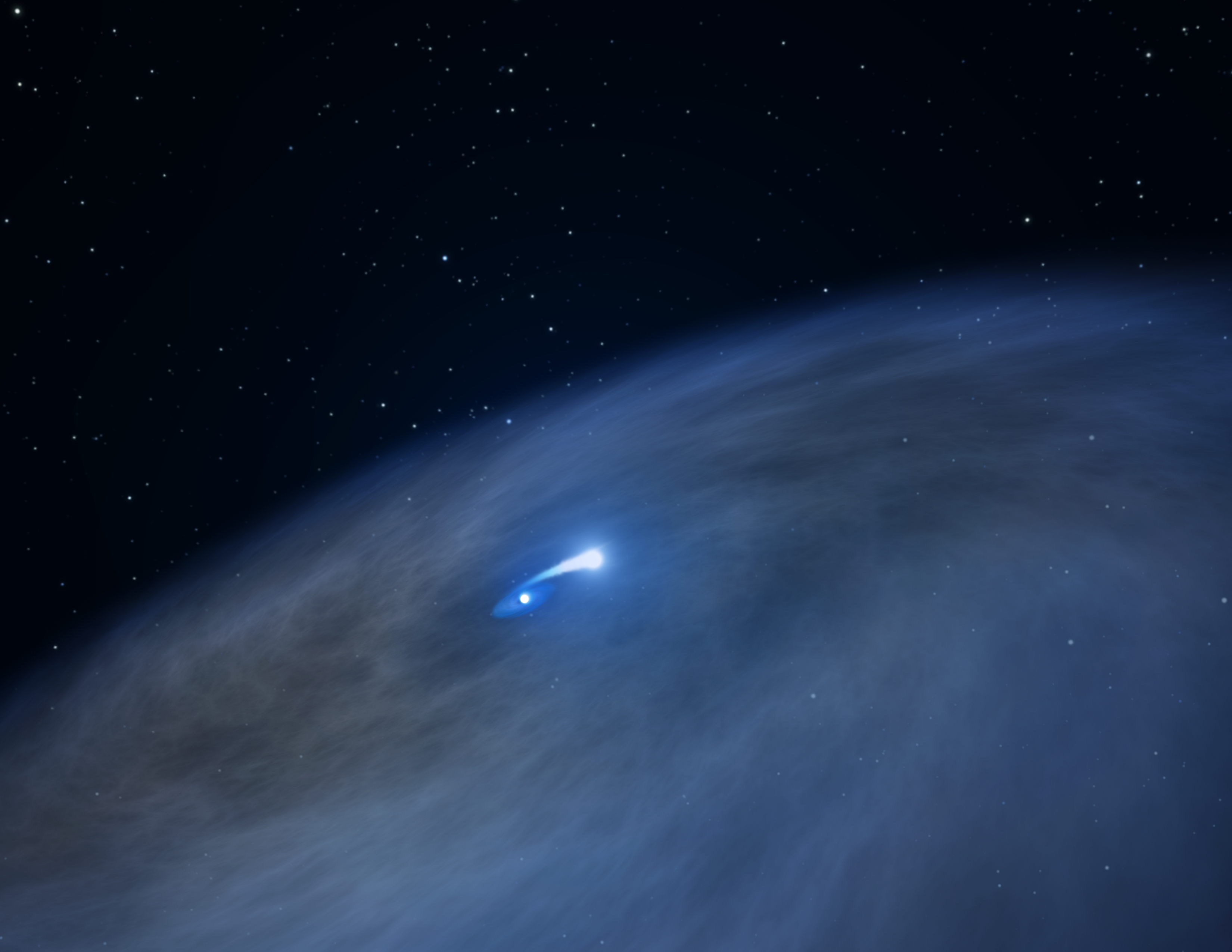
Powering the Orbital Grid
Star Catcher is moving from terrestrial validation to high-velocity orbital trials. According to Payload, the company has scheduled the launch of its Protostar node for the SpaceX Transporter-18 mission, currently slated for no earlier than October 1st. The objective: establish the first successful power-beaming link between two untethered spacecraft moving at 27,000 km/h.
Technical Architecture
The Protostar mission serves as a full-stack technology demonstration, integrating energy harvesting, autonomous satellite tracking, and optical power transmission. During the flight, the node will deploy a dedicated cubesat and attempt to beam energy to its off-the-shelf solar panels. Star Catcher claims its technology can enhance customer satellite power generation by a factor of two to ten without requiring hardware retrofits.
Strategic Momentum
This mission follows a successful 2023 runway test at Kennedy Space Center where the team delivered 1.1 kW to terrestrial panels, surpassing previous DARPA benchmarks. The roadmap is aggressive; the company is already developing a successor intended to function as a pilot orbital power plant.
Funding for these initiatives is substantial. Star Catcher recently secured a $60 million STRATFI award from the U.S. Space Force and closed a $65 million Series A round in May. Furthermore, the company has signed 10 power-purchase agreements with commercial operators like Loft Orbital and Astro Digital, utilizing a terrestrial-style grid model where deposits lock in future energy rates. As the Pentagon increases its focus on orbital energy via DIU and OECIF initiatives, Star Catcher aims to have a functional power grid operational by 2030.