SR-1 FREEDOM: ADVANCING LUNAR NUCLEAR CAPABILITY
NASA’s SR-1 Freedom project achieves critical milestones in nuclear power module development, marking a pivotal shift toward long-duration lunar surface operations and sustainable Martian exploration.
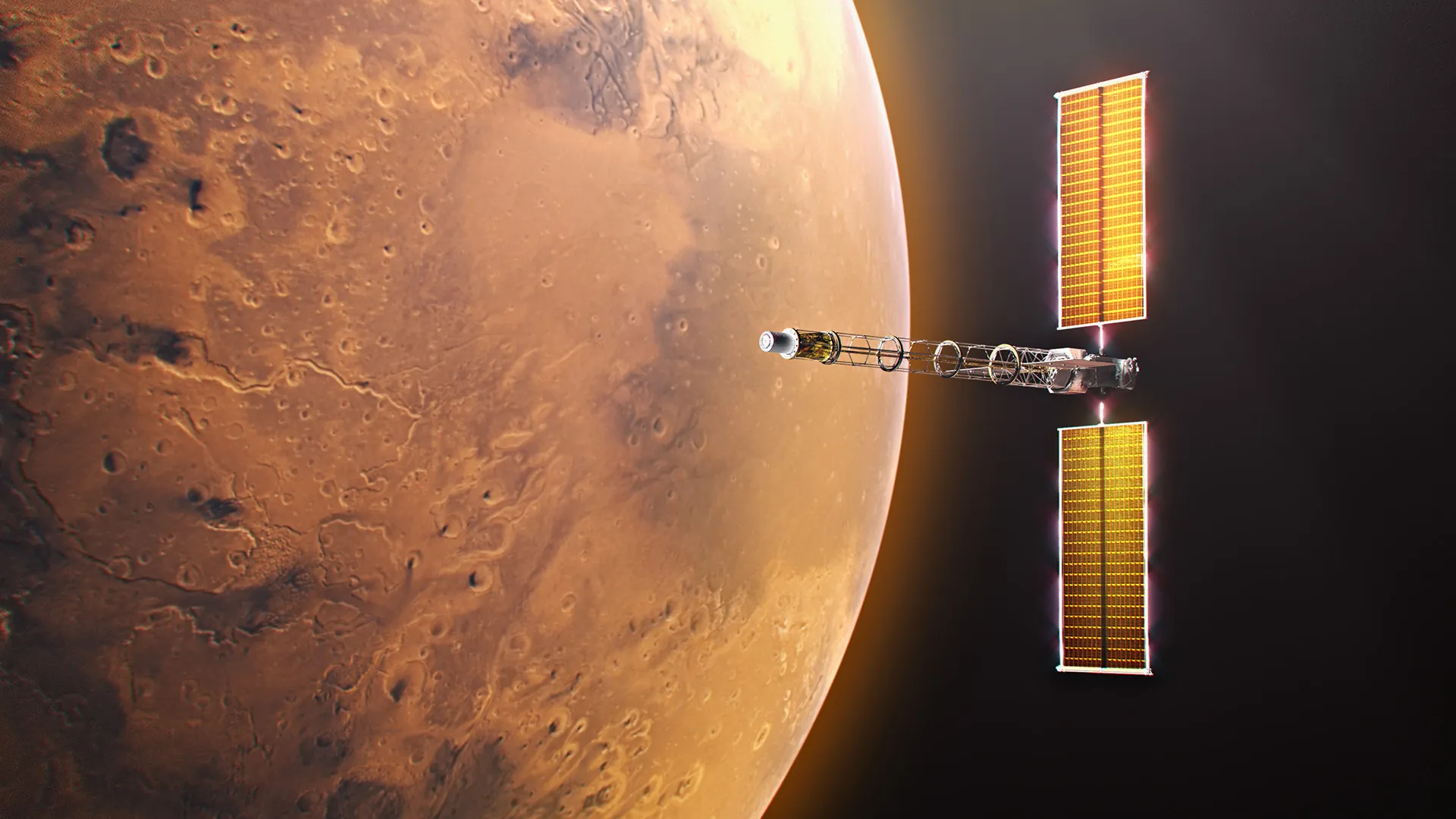
CORE UPDATE: NUCLEAR PROPULSION PHASE
NASA’s propulsion laboratories are accelerating the development of the SR-1 Freedom, a next-generation nuclear power module designed to sustain long-duration operations in hostile orbital and lunar environments. According to NASA Breaking News, the project has reached a new phase of hardware maturity, focusing on the integration of critical thermal management and power conversion subsystems.
TECHNICAL SPECIFICATIONS
The SR-1 Freedom is engineered to provide a reliable, high-output energy source independent of solar flux. Current progress highlights the refinement of the reactor's heat-pipe technology and the Stirling power conversion units. These systems are essential for the Artemis program’s objective to establish a permanent human presence on the Moon, where lunar nights last 14 Earth days and temperatures plummet to levels that render traditional battery storage insufficient.
STRATEGIC ALIGNMENT
The advancement of the nuclear module represents more than just a power solution; it is the cornerstone of deep-space logistics. NASA’s Glenn Research Center is spearheading the effort to ensure the SR-1 architecture is modular and scalable. By securing the power generation requirements for lunar bases, the project effectively builds the technological bridge for crewed Martian transits. The focus remains on rigorous safety protocols and system efficiency to ensure operational longevity in deep-space vacuum conditions.
MISSION HORIZON
With hardware testing progressing at accelerated rates, the SR-1 Freedom is positioned to become the primary energy backbone for the Lunar Gateway and subsequent surface habitats. The project signifies a shift from exploration to inhabitation, moving the industry closer to a sustainable off-world economy.