SpinLaunch CEO Navigates Global Kinetic Launch Infrastructure
Massi Ladovaz outlines the shift toward sovereign orbital access and the logistical evolution of mega-constellations in a new industry briefing.
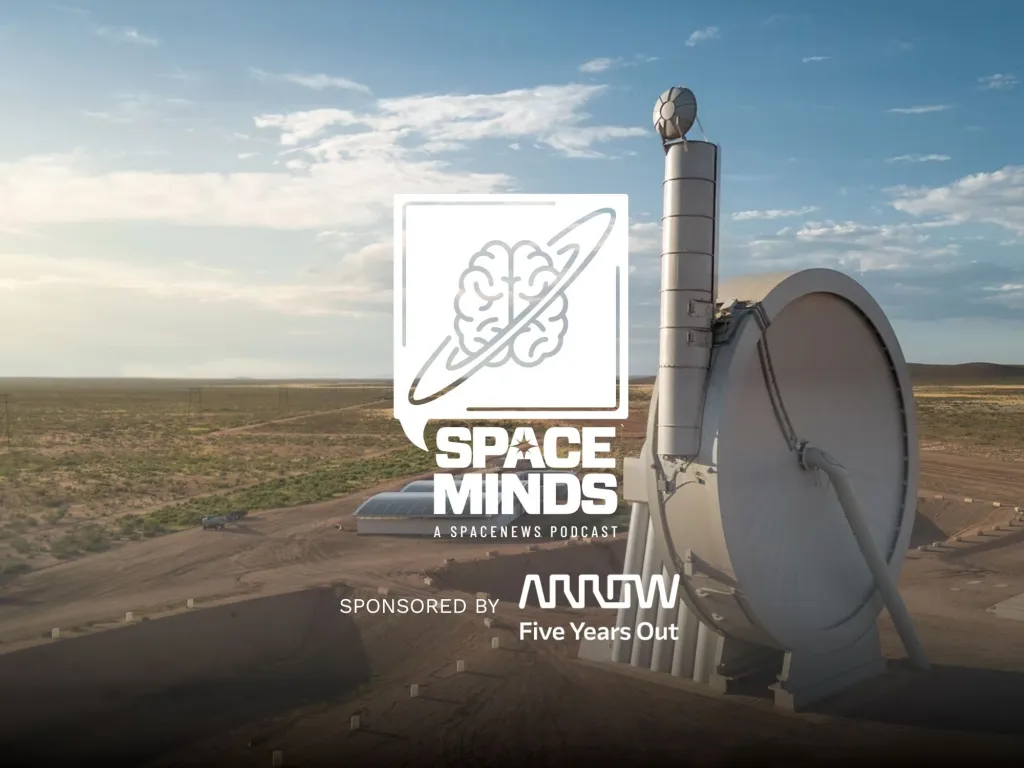
Operational Shift: Kinetic Injection
As the orbital economy transitions from experimental deployments to industrial-scale operations, the infrastructure supporting these launches is facing a fundamental redesign. According to SpaceNews, SpinLaunch CEO Massi Ladovaz recently detailed the strategic pivot required to support this evolving landscape. Ladovaz, who has moved from satellite development to the launch sector, is prioritizing a reimagined approach to orbital insertion through kinetic energy systems.
Sovereignty and Customer Demand
The demand for space access is no longer a monolithic market. Ladovaz identifies a growing requirement for "launch sovereignty" among international clients. As geopolitical tensions fluctuate, global space entities are increasingly seeking autonomous launch capabilities that are not tethered to the traditional, centralized launch superpowers. This shift forces providers to adapt to localized needs, ensuring that sovereign nations can maintain secure and independent access to their orbital assets.
Constellation Logistics
The proliferation of mega-constellations presents a unique set of technical hurdles. Designing and launching these networks requires more than just raw lift capacity; it necessitates a logistics-first mindset. Ladovaz highlights that the challenge lies in scaling production and frequency to meet the replenishment rates of these vast satellite arrays. To maintain global connectivity and data integrity, the industry must move toward infrastructure that supports rapid, repeatable, and high-frequency launch cycles.
By focusing on kinetic launch mechanisms, SpinLaunch aims to address these shifting economic and geopolitical requirements, providing a high-cadence alternative to traditional chemical rocketry in an increasingly fractured global landscape.