SPHEREx Probe to Map Galaxy’s Sub-Stellar Population
NASA’s upcoming SPHEREx mission is set to revolutionize our understanding of brown dwarfs, bridging the gap between stars and planets through comprehensive near-infrared spectroscopy.
Mission Status: Mapping the Dark Gaps
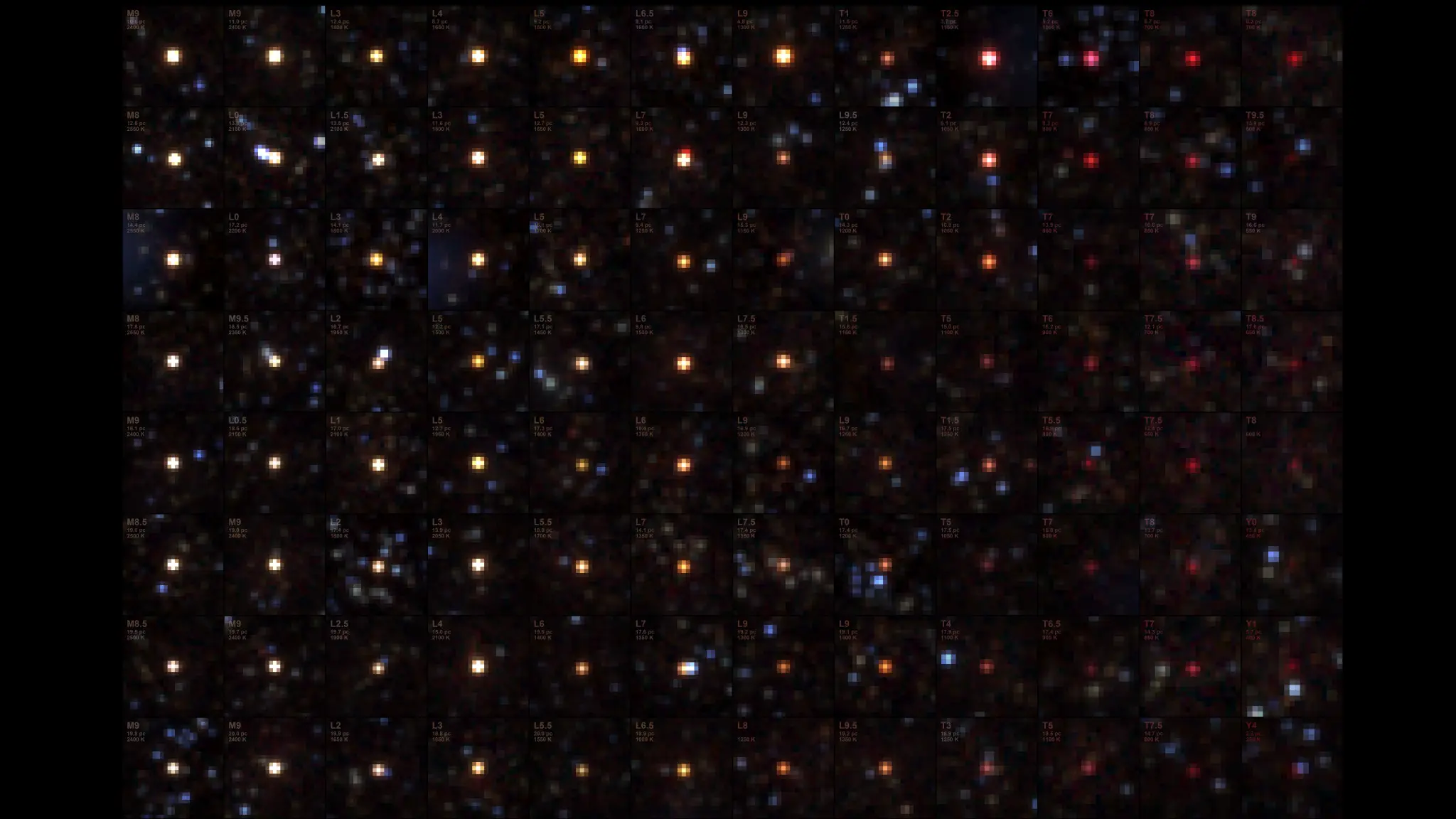
NASA’s SPHEREx (Spectro-Photometer for the History of the Universe, Epoch of Reionization and Ices Explorer) mission is entering a critical phase in its objective to survey the cosmic landscape. According to NASA Breaking News, the observatory is specifically tuned to identify and catalog a diverse "menagerie" of brown dwarfs—celestial objects that occupy the mass gap between the heaviest gas giants and the lightest stars.
The Sub-Stellar Spectrum
Brown dwarfs are often termed "failed stars" because they lack the requisite mass to initiate sustained hydrogen fusion in their cores. Despite this, they radiate significant heat in the infrared spectrum as they cool over billions of years. SPHEREx will utilize its near-infrared spectroscopy capabilities to analyze the chemical compositions and temperatures of thousands of these objects. By breaking down the light into 96 distinct color bands, the telescope will provide a high-resolution map of the galaxy’s hidden thermal signatures.
Data Objectives
Unlike targeted observatories such as James Webb, SPHEREx will perform an all-sky survey every six months. This broad approach allows scientists to identify rare sub-classes of brown dwarfs, including those with unusual atmospheric conditions or those located in the most ancient regions of the Milky Way. This data is essential for refining models of planetary formation and stellar evolution, providing a statistical baseline for the frequency of planet-like objects in the interstellar medium.
According to NASA reports, the mission will also investigate the presence of water and organic ices in star-forming regions, linking the life cycle of stars to the chemical precursors of life.