SpaceX Fleet Lifespan vs. Starship Transition: The Dragon Dilemma
SpaceX balances high demand for Crew Dragon with a pivot toward Starship, leaving commercial space station developers uncertain about long-term transport availability.
Fleet Status: Maximum Utilization
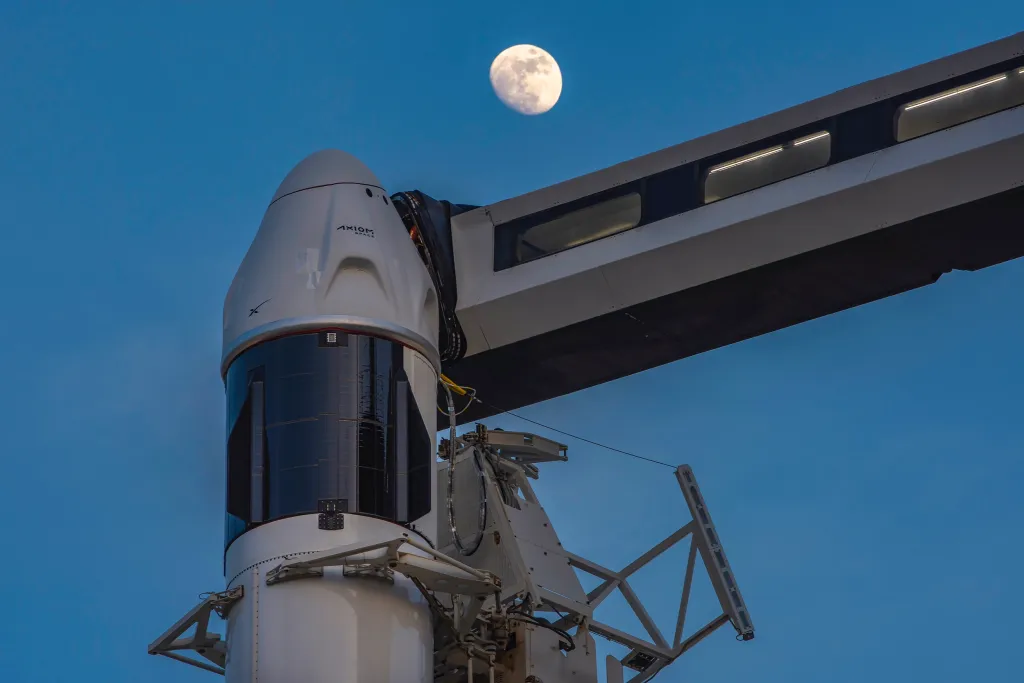
SpaceX confirms its current fleet of five Crew Dragon spacecraft still possesses "significant" life, despite a hard cap on new production. According to SpaceNews, the company is working with NASA to extend the certification of these vehicles from five missions to as many as 15 each. This extension is critical as demand spikes; NASA recently filed for six additional missions to cover Boeing Starliner delays, and the European Space Agency (ESA) is evaluating a dedicated Dragon flight.
The Starship Pivot
Julianna Scheiman, SpaceX director of NASA science and Dragon programs, noted that while Dragon will support the ISS for years, the company's ultimate trajectory points toward Starship. This larger vehicle is designed to carry hundreds of passengers, though its scale presents technical integration challenges for current commercial station designs. While SpaceX anticipates an overlap period where both platforms operate simultaneously, the company has declined to explicitly confirm new long-term Crew Dragon sales to commercial station developers beyond existing contracts with Vast and Axiom Space.
Strategic Implications
NASA maintains a hands-off approach, focusing on "end-to-end" service models for post-ISS destinations. Under this framework, station providers like Voyager or Vast are responsible for securing their own transport partners. For the industry, the uncertainty lies in the transition window. If Dragon production remains shuttered and Starship integration lags, the commercial orbital economy faces a potential bottleneck in crew rotation logistics.