Sovereign Launch Vulnerability: The Drone Threat to U.S. Ranges
Increasing unauthorized drone incursions at Vandenberg and Cape Canaveral are threatening multi-million dollar missions and critical space infrastructure.
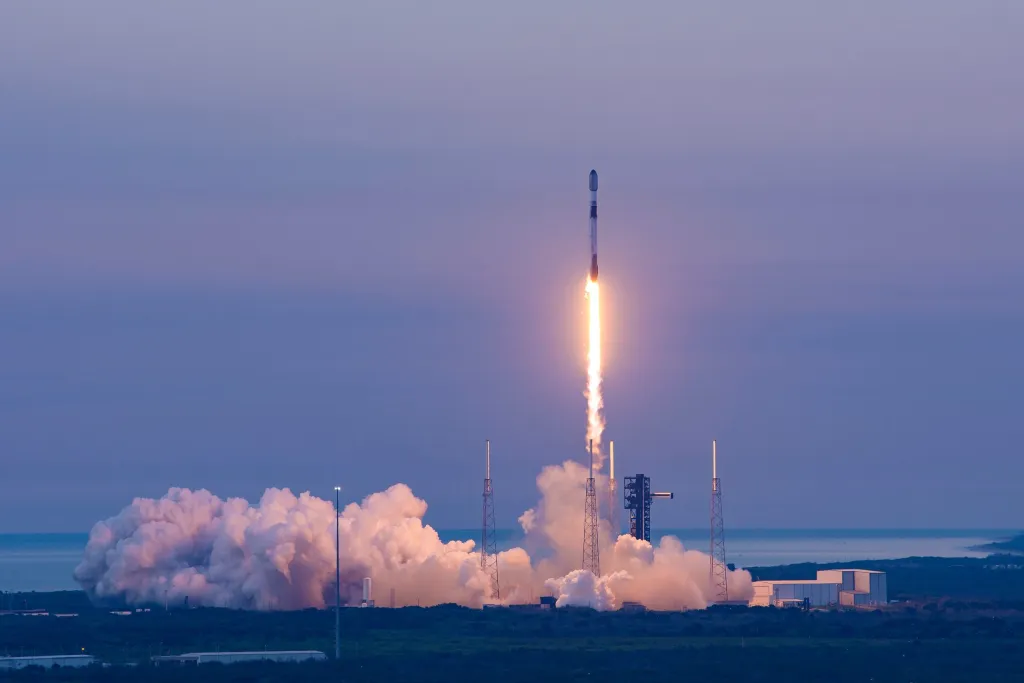
Domestic spaceports are facing an escalating tactical challenge: Small Unmanned Aircraft Systems (sUAS). According to SpaceNews, unauthorized drone flights are no longer merely a nuisance; they are a direct threat to the integrity of launch operations and national security.
Tactical Incursions
Recent intelligence highlights a surge in illicit surveillance. In November 2024, a Chinese national was apprehended after flying a drone over restricted airspace at Vandenberg Space Force Base. Similarly, a Canadian citizen was later deported for capturing images of sensitive munitions bunkers and payload facilities at Cape Canaveral. These are not isolated incidents. NORAD reported over 350 drone detections across 100 military sites in a single year, highlighting a systemic vulnerability in current monitoring arrays.
The Cost of a Scrub
The financial and strategic fallout of a single drone-induced scrub is severe. While NASA once estimated shuttle scrub costs at $1.2 million, modern estimates from SpaceX suggest daily delays can now exceed $4 million. Beyond the immediate capital loss, drone interference creates a ripple effect throughout the flight manifest. A forced delay for a single intelligence or communications satellite can paralyze downstream missions, stalling the deployment of vital orbital assets.
Systemic Weakness
The current protective envelope remains largely reactive. Existing counter-drone technologies are often underfunded or legally restricted from proactive mitigation. Whether the operator is a social media hobbyist or a state actor conducting signals intelligence, the physical risk is the same: even a minor collision during fueling or liftoff could result in the catastrophic loss of a launch vehicle and years of infrastructure repair. To maintain launch cadence—projected to hit 300 annual flights at the Eastern Range by 2030—industry experts demand a transition to layered, multi-modal detection systems and an updated legal framework to neutralize aerial intruders.