Sharpless Catalog Visualized: 313 H II Regions Unified
A comprehensive deep-space imaging project has successfully mapped all 313 emission nebulae from the historic Sharpless Catalog into a single interactive visual dataset.
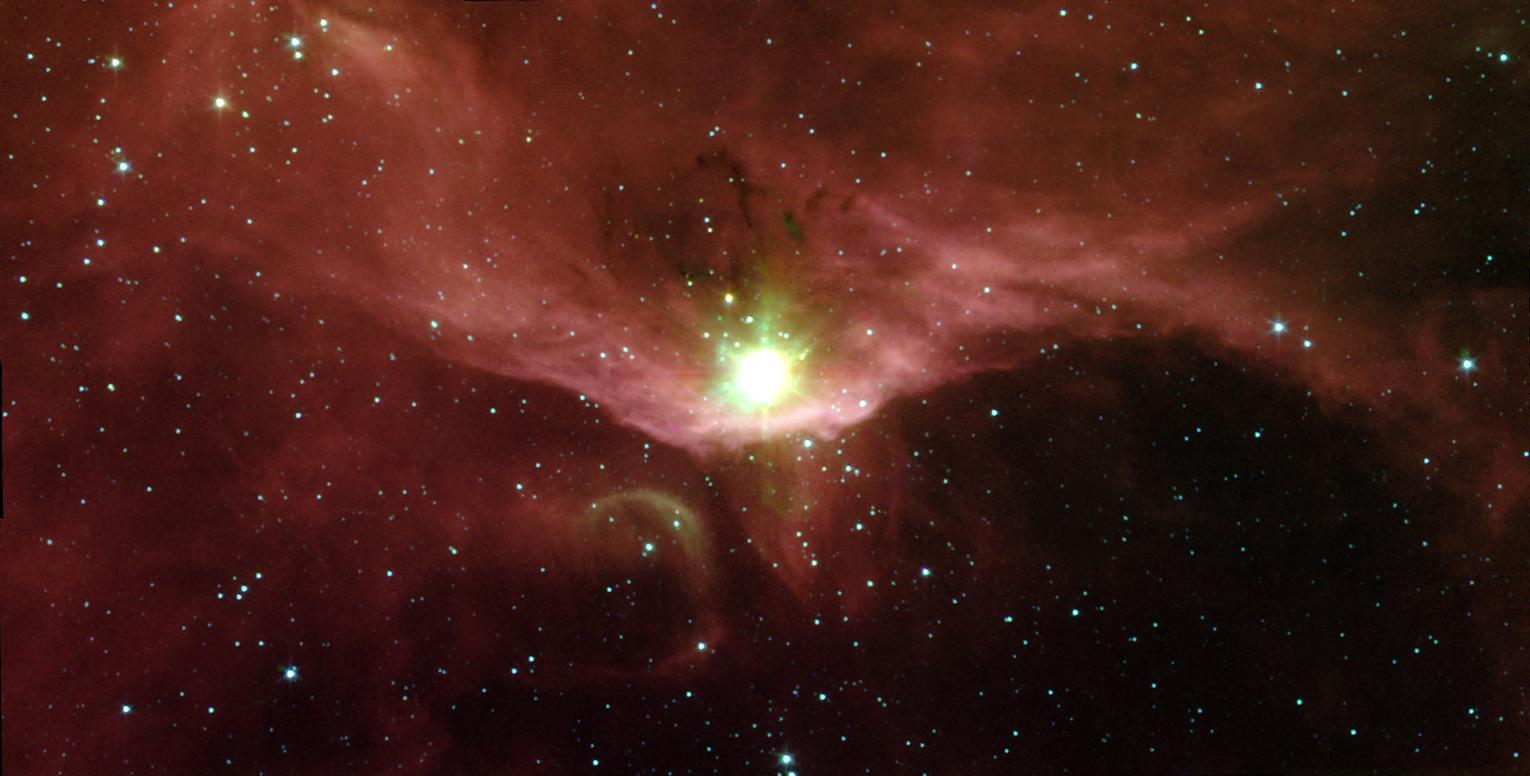
Technical Overview
According to NASA Breaking News, a massive imaging feat has successfully captured the entirety of the Sharpless Catalog, documenting 313 distinct H II regions. This extensive compilation represents a landmark in observational astronomy, consolidating decades of deep-sky data into a single, navigable visual reference.
The H II Population
H II regions are massive, low-density clouds of partially ionized gas—primarily hydrogen—where star formation has recently occurred. The Sharpless Catalog, originally compiled by astronomer Stewart Sharpless in the mid-20th century, focuses on these emission nebulae located north of declination -27°. The new visualization allows for high-fidelity examination of these stellar nurseries, ranging from the well-known Orion Nebula to significantly more obscure, diffuse gas clouds at the edge of detection limits.
Data Integration and Resolution
The project required significant integration of varied exposure times and narrow-band filtering to isolate the hydrogen-alpha signatures characteristic of these regions. The resulting dataset provides a unified perspective on the distribution of ionized gas within our galactic neighborhood. For orbital stakeholders and researchers, this catalog serves as a vital map for identifying sites of active star formation and understanding the lifecycle of interstellar medium under the influence of massive O and B-type stars.
SpaceChannel.eu identifies this as a critical resource for terrestrial observatories and future orbital survey missions aimed at spectroscopic analysis of the Milky Way’s spiral arms.