Satrec Initiative Targets 10cm Resolution for Hanwha Low-Orbit Constellation
South Korea’s Satrec Initiative is developing four ultra-high-resolution optical satellites to augment Hanwha Systems’ SAR constellation, aiming for sub-10cm imagery from VLEO.
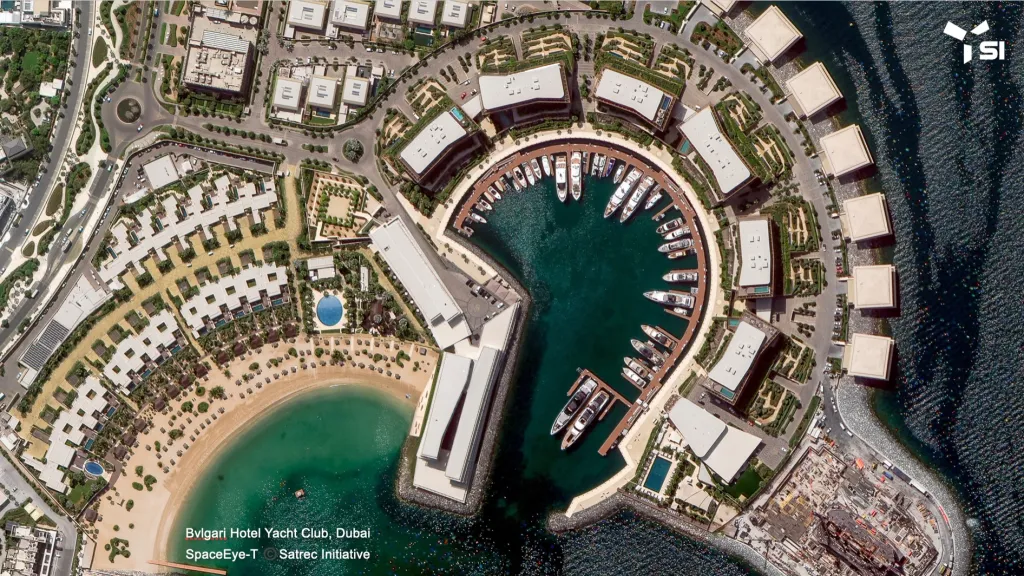
# Orbital Surveillance Upgrade: 10cm Precision Inbound
South Korean aerospace firm Satrec Initiative is moving to redefine sub-meter resolution standards. In a strategic expansion for its parent company, Hanwha Systems, Satrec will deploy four optical satellites designed to capture 10-centimeter-class imagery, according to SpaceNews.
The Hybrid Constellation
This optical quartet is engineered to integrate with Hanwha’s previously announced 64-satellite synthetic-aperture-radar (SAR) constellation. By combining ultra-high-resolution SAR with electro-optical sensors, the network aims to provide a 30-minute revisit rate by 2031. Eugene Kim, Satrec Initiative Executive VP, confirmed at World Space Business Week that the hardware will be supported by AI-driven analysis from subsidiary SI Analytics to deliver "actionable intelligence" for defense sectors.
The VLEO Challenge
Achieving 10cm resolution requires operating in Very Low Earth Orbit (VLEO), specifically at altitudes below 400 kilometers. This environment presents significant technical hurdles, including increased atmospheric drag and atomic-oxygen degradation. To mitigate these risks, Hanwha will utilize a stepped deployment approach: launching a test satellite at 500km and incrementally lowering its orbit to gather survival data.
Competitive Landscape
Satrec’s move follows a broader industry shift toward finer granularity. Airbus is currently developing Pléiades Neo Next for 20cm imagery by 2028, while competitors like Vantor and ImageSat International (ISI) are targeting 20-25cm native resolutions. By pushing into the 10cm bracket, Satrec and Hanwha aim to secure a dominant position in the "Satellite as a Service" intelligence market.