Protocol Update: Northrop Grumman CRS-25 Launch Sequencing Initialized
NASA confirms comprehensive coverage for the upcoming Northrop Grumman CRS-25 resupply mission to the International Space Station, detailing prelaunch briefings and live telemetry streams.
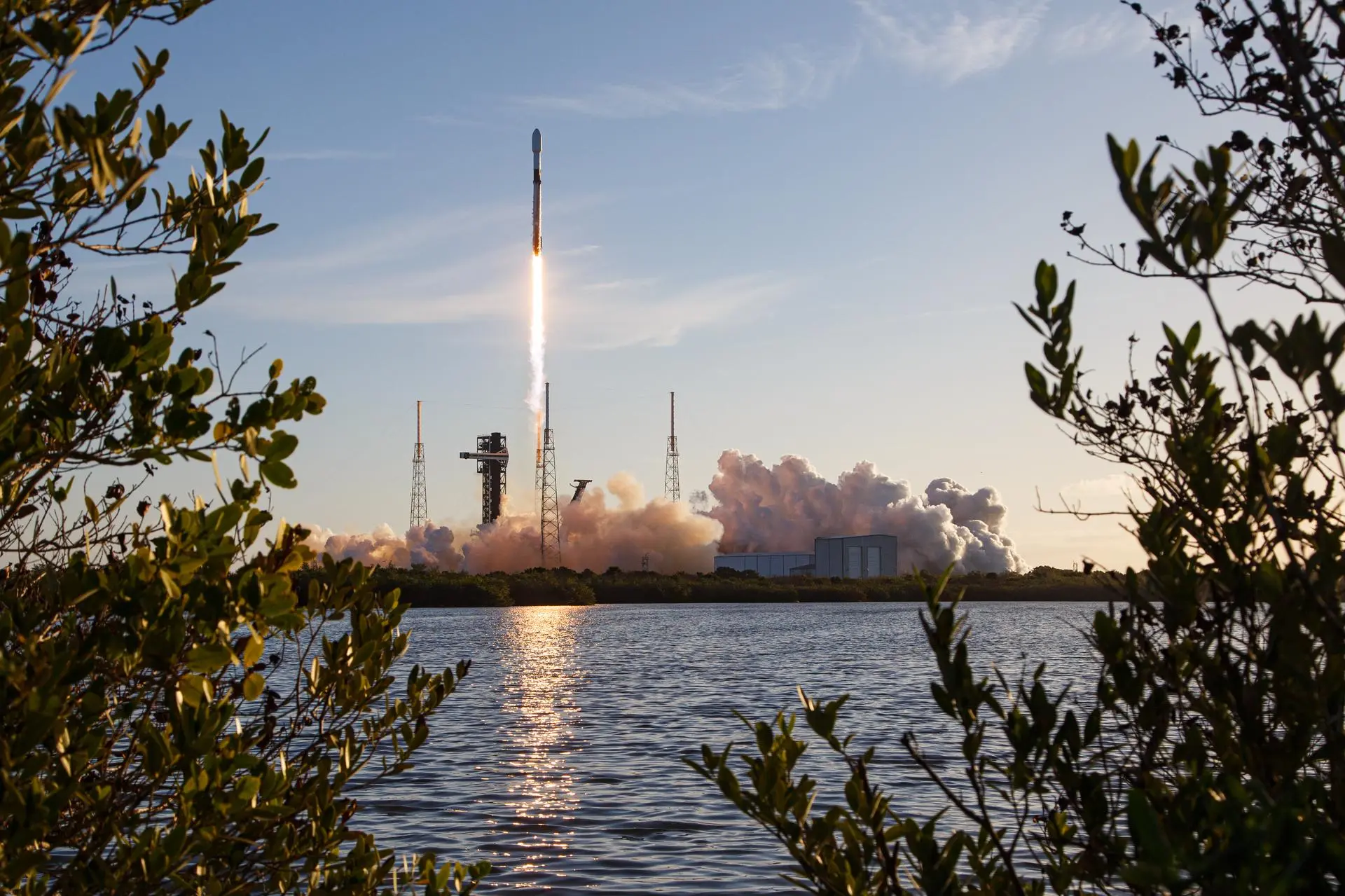
MISSION MANIFEST: CRS-25
Logistical chain operations for the International Space Station (ISS) are entering a critical phase. According to NASA Breaking News, the agency has finalized its broadcast and coverage schedule for the Northrop Grumman CRS-25 commercial resupply mission. This deployment utilizes the Cygnus spacecraft to ferry essential hardware, research materials, and crew supplies to the orbital outpost.
OPERATIONS TIMELINE
The mission protocol begins with a series of prelaunch briefings designed to outline mission objectives and hardware specifications. These sessions provide technical insight into the cargo manifest, which often includes critical biological experiments and technological demonstrators required for long-term habitation research.
Live telemetry and video feeds will be routed through NASA’s primary communication channels, including NASA+, the agency’s television network, and official digital platforms. Coverage parameters encompass:
- Prelaunch Press Briefings: Analysis of meteorological conditions and vehicle readiness.
- Launch Window: Real-time tracking of the Antares launch vehicle (or designated carrier) from the Wallops Flight Facility.
- Orbital Capture: Live streaming of the rendezvous and berthing sequence as the ISS robotic arm secures the Cygnus module.
SCIENTIFIC PAYLOAD
CRS-25 is not merely a logistical run; it represents a replenishment of the station’s scientific capabilities. The cargo includes experimental modules that will be utilized by the Expedition crew to advance microgravity research. Following the successful berthing of the spacecraft, the Cygnus module will remain attached to the Unity module for several months before its disposal trajectory is initiated. Stakeholders and industry observers can monitor the mission status via the agency’s real-time digital dashboard.