Protocol: NASA Solidifies ISAM Architecture for Orbital Lifecycle
NASA defines the State of Play for In-space Servicing, Assembly, and Manufacturing (ISAM), establishing a new technical baseline for the future of orbital infrastructure and commercial expansion.
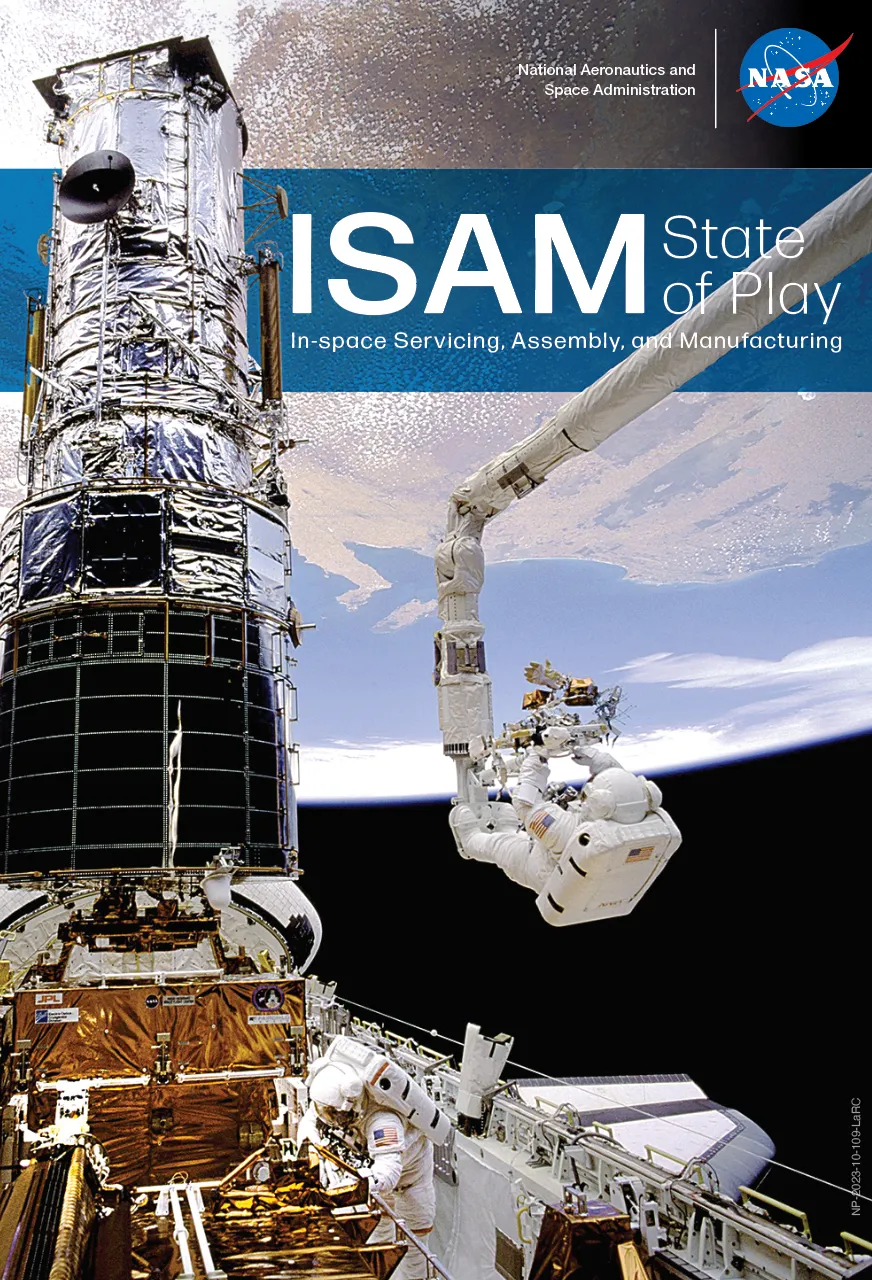
DATA TRANSMISSION: ISAM LOGISTICS
According to NASA Breaking News, the agency has formalized its "State of Play" for In-space Servicing, Assembly, and Manufacturing (ISAM). This framework represents a critical pivot from the traditional "one-and-done" launch model toward a sustainable, modular orbital economy. By standardizing protocols for refueling, repairing, and expanding hardware already in orbit, NASA aims to mitigate the growing debris crisis while extending the operational life of high-value assets.
TECHNICAL SCOPE
The ISAM architecture focuses on three primary pillars:
1. Servicing: Robotic intervention for refueling and maintenance of legacy satellites that were never designed for docking.
2. Assembly: Constructing large-scale structures, such as telescopes or lunar habitats, that exceed the volumetric capacity of current fairings.
3. Manufacturing: Utilizing microgravity environments to create specialized materials and components—ranging from fiber optics to structural beams—directly in space.
STRATEGIC IMPLICATIONS
NASA’s documentation serves as a roadmap for private industry partners. By defining these standards, the agency is signaling that future contracts will likely favor platforms designed with interoperability in mind. This shift reduces the cost of entry for commercial players by providing a predictable technical landscape for docking interfaces and robotic toolsets. For deep-space missions, including the Artemis program, ISAM capabilities are no longer optional—they are foundational requirements for sustained presence on the lunar surface and beyond.