PRODEX: Bridging the Gap from Laboratory to Orbit
ESA's PRODEX program provides the financial and technical architecture necessary for European research institutes to convert scientific theory into mission-ready space hardware.
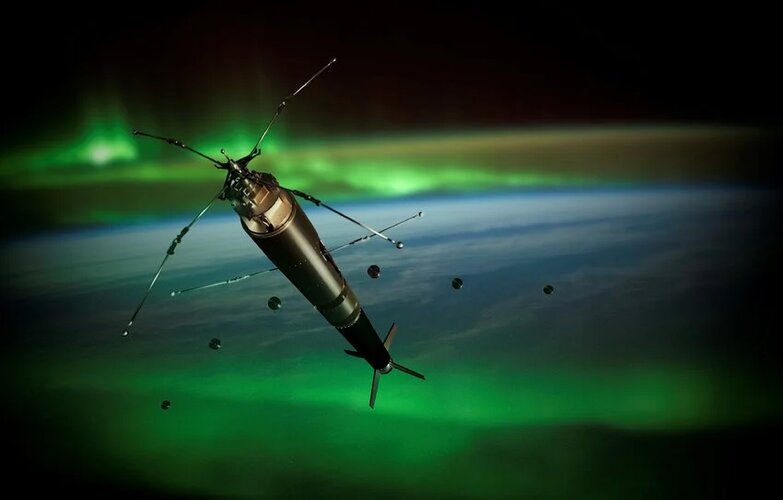
Technical Infrastructure for Orbital Science
Scientific ambition often exceeds the logistical reach of academic institutions. To bridge this gap, the PROgramme for the Development of scientific EXperiments (PRODEX) serves as a critical conduit. According to the European Space Agency (ESA), the initiative facilitates the development of scientific instruments and experiments for space missions, ensuring that laboratory discoveries reach orbital or deep-space environments.
The Operational Framework
Unlike mandatory ESA programs, PRODEX is an optional element, allowing Member States to subscribe based on national scientific priorities. The agency acts as a technical intermediary, providing project management and engineering expertise that many universities lack. This structure minimizes the risk of hardware failure in harsh environments while maximizing the return on investment for participating nations.
Key functions of PRODEX include:
- Instrument Development: Transforming conceptual designs into flight-ready sensors and telescopes.
- Mission Integration: Aligning university-led research with the stringent technical requirements of ESA launch vehicles.
- Trans-National Collaboration: Enabling scientists across Europe to work on singular, high-impact payloads.
Strategic Utility
By leveraging ESA’s internal quality standards, PRODEX ensures that European research remains competitive. It allows institutes to focus on data analysis and scientific breakthroughs while the agency handles the industrial complexities of aerospace manufacturing. According to ESA officials, this partnership is essential for maintaining the continent's leadership in space-based science and planetary exploration.