Orbital Watch: July 2026 Celestial Transit and High-Altitude Maintenance
NASA reports a successful Canadarm2 repair on the ISS while outlining critical celestial viewings for July 2026, including the TESS discovery of low-density ‘puffy’ exoplanets.
Technical Status: LEO Operations
Operational logs from July 2026 confirm the successful restoration of the Canadarm2 robotic system. According to NASA Breaking News, station personnel completed a high-stakes extravehicular activity (EVA) to repair the critical limb, ensuring continued logistical support for the International Space Station. This maintenance ensures the station remains viable for upcoming cargo captures and structural upgrades.
Deep Space Survey: The TESS Findings
Data harvested by the Transiting Exoplanet Survey Satellite (TESS) has revealed a new class of extreme exoplanets. Identified as "puffy" planets, these gas giants possess exceptionally low densities relative to their volume. This discovery challenges current planetary formation models and provides fresh telemetry for atmosphere-characterization missions.
Galactic Perspectives
In a collaborative data release, the Euclid mission has provided a high-resolution view of the Milky Way’s core. This imagery serves as a functional preview for the upcoming Roman Space Telescope Galactic Bulge Time-Domain Survey. By mapping the dense star fields of our galaxy’s heart, researchers are refining the targeting parameters for Roman's search for microlensing events and exoplanets.
Skywatching Data: July 2026
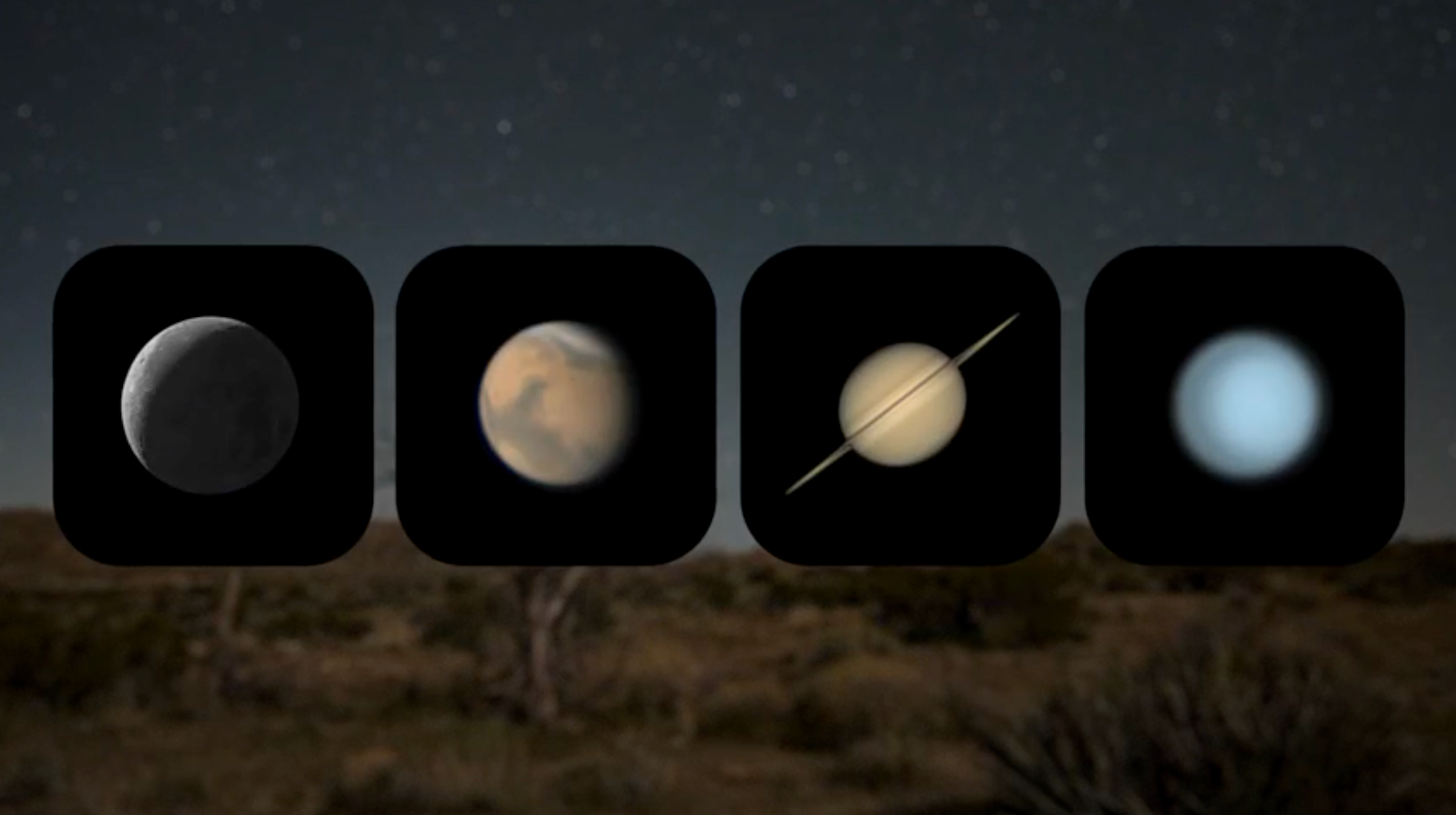
For terrestrial observers, NASA identifies July 2026 as a primary window for planetary alignment viewing. Observers should track the orbital positions of Saturn and Jupiter, which remain prominent throughout the month. Additionally, local observers can monitor the ingress of seasonal meteor activity as Earth’s trajectory intersects orbital debris fields. These events offer a rare opportunity for ground-based sensor calibration and amateur celestial tracking.