Orbital Update: Roman Telescope Deployment and Crew-13 Schedule Shift
NASA reaches major milestones with the launch of the Nancy Grace Roman Space Telescope to probe dark energy, while SpaceX adjusts the Crew-13 mission timeline and US policy pivots toward new domestic space education.
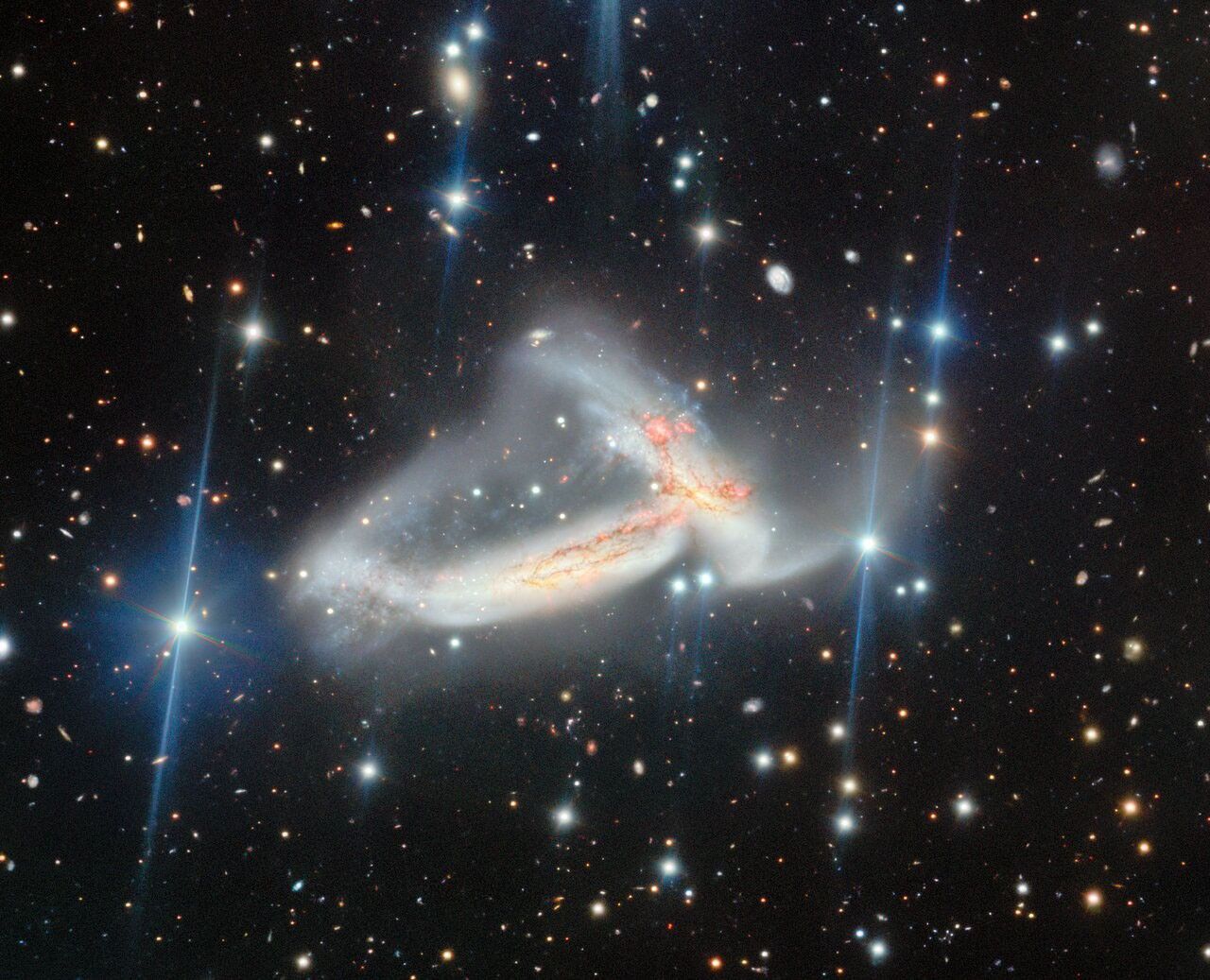
Mission Status: Deep Space Observation
According to NASA Breaking News, the Nancy Grace Roman Space Telescope has successfully transitioned to orbital operations. Engineered to map the "Dark Universe," this instrument is designed to decode the mysteries of dark matter and dark energy, providing high-resolution data sets that will fundamentally redefine the current cosmological model. Its wide-field infrared capabilities represent a significant leap over previous generation hardware.
Operational Shift: Crew-13 Timeline
In the Low Earth Orbit (LEO) sector, NASA and SpaceX mission controllers have officially adjusted the launch schedule for the Crew-13 mission. This recalibration ensures optimal docking windows at the International Space Station (ISS) and aligns with ongoing traffic management at the orbital lab. Details regarding the specific hardware or environmental factors necessitating the delay remain internal to mission control.
Institutional Evolution: US Space Academy
Administrative changes are also surfacing within the US space sector. President Trump has signed a new executive order directing the formation of a National Space Academy. This institution is intended to standardize the training of the next generation of spacefarers and orbital technicians, signaling a long-term commitment to human presence in the cis-lunar and Martian sectors.
These updates come amidst a dense operational calendar for the agency, which continues to prioritize the Artemis program and planetary science missions, including the OSIRIS-REx and James Webb Space Telescope operations.