Orbital Sentinels Track El Niño Hurricane Intensification
Transatlantic satellite missions Sentinel-6 Michael Freilich and Jason-3 are monitoring ocean heat content to predict hurricane severity during the current El Niño cycle.
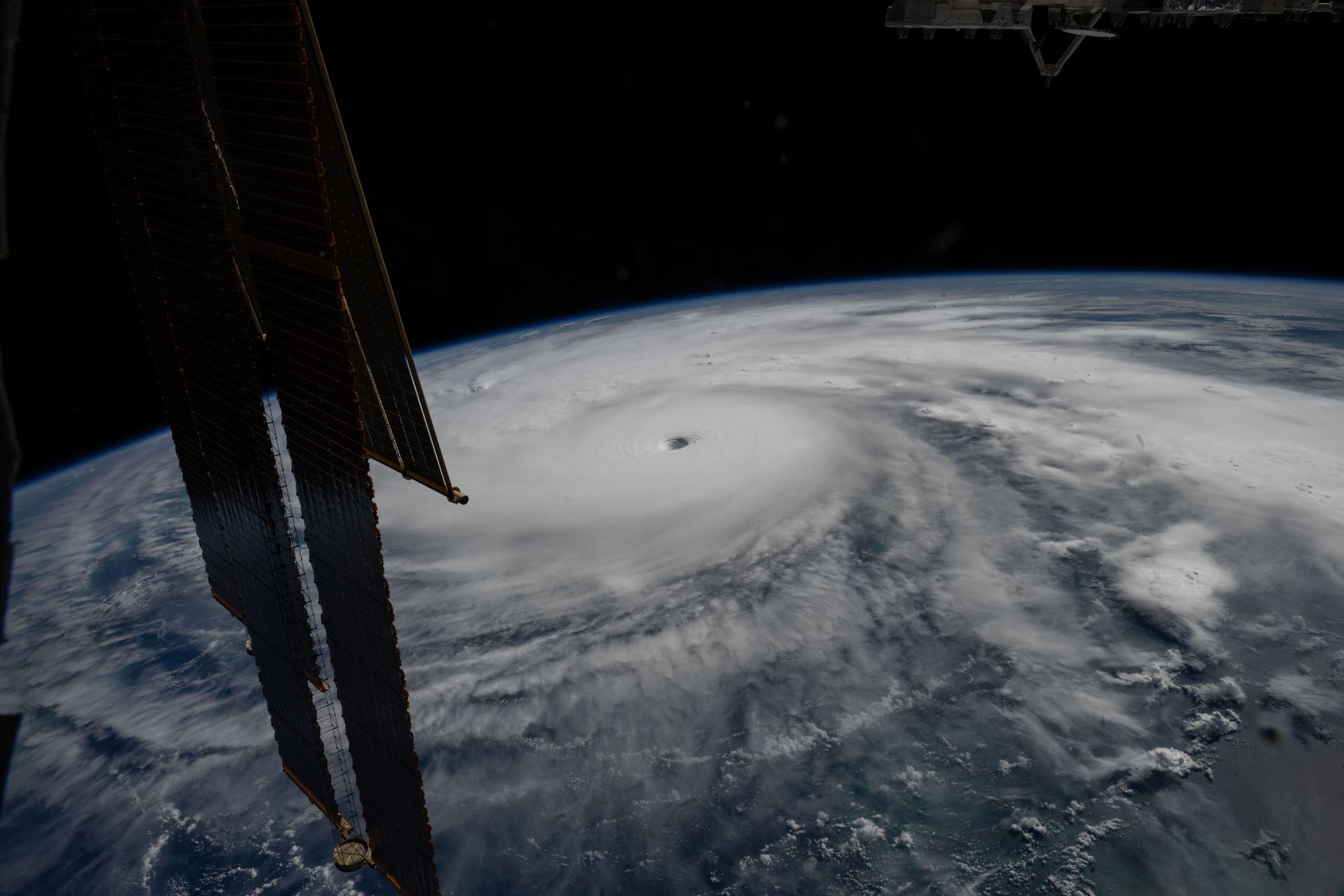
# Orbital Reconnaissance: Tracking Ocean Heat
Atmospheric volatility is rising as the current El Niño cycle alters global weather patterns. According to NASA Breaking News, a collaborative US-European orbital effort is now leveraging precision altimetry to monitor how these conditions influence hurricane intensification. The mission utilizes two primary assets: Sentinel-6 Michael Freilich and Jason-3.
The Thermal Engine
Cyclones derive their destructive energy from deep-layer ocean heat. While surface temperatures provide a basic metric, they do not account for the total energy reservoir available to a storm. The Sentinel-6 and Jason-3 satellites measure sea level height with millimeter precision. Higher sea levels typically indicate warmer water columns, as heat causes thermal expansion.
Strategic Monitoring
During El Niño, the Pacific experiences increased warmth while the Atlantic often faces higher wind shear, which can inhibit storm formation. However, the sheer volume of heat currently stored in the Atlantic remains a critical variable. By mapping these "hills" of water, researchers can identify high-energy zones where a passing storm might undergo rapid intensification.
Joint Operations
This data stream is a product of long-standing cooperation between NASA, NOAA, and European partners including ESA (European Space Agency) and EUMETSAT. By maintaining a continuous record of ocean topography, these satellites allow meteorologists to look beneath the surface, providing more accurate warnings as tropical systems move toward populated coastlines. The integration of this orbital data is essential for navigating the unpredictable shifts of an El Niño year.